Navigating rent increases can be a stressful experience for any tenant. Many renters wonder, can my landlord raise my rent $300 dollars, and if so, what are their rights? The short answer is that it depends heavily on your lease agreement, local laws, and whether your area has rent control. Understanding these factors is crucial for protecting your interests as a tenant.
Introduction: Understanding Rent Increases and Your Tenant Rights
Rent increases are a common part of the rental market. Landlords often adjust rent to cover rising property costs, taxes, or market value changes. However, there are specific legal frameworks that govern how and when these increases can occur. Tenants need to be aware of these rules.
The Reality of Rent Hikes in Today’s Market
The current housing market often sees significant fluctuations. Economic pressures, inflation, and high demand can lead landlords to consider substantial rent increases. Therefore, a $300 rent hike might seem steep but could be permissible under certain conditions. It is important to know your local regulations.
Many tenants face difficult decisions when confronted with higher rent. This situation often leads to questions about legality and fairness. Understanding your lease and local ordinances is your first line of defense. Knowledge empowers you to respond effectively to such changes.
Navigating Landlord-Tenant Laws and Protections
Landlord-tenant laws vary significantly by state and even by city. These laws dictate notice periods, allowable increase amounts, and tenant protections. Familiarizing yourself with these specific regulations is essential. They provide the framework for your legal standing.
Furthermore, some jurisdictions offer stronger protections than others. For example, rent control laws can severely limit how much a landlord can raise rent. Always consult official resources or legal aid if you are unsure about your rights. This proactive approach can save you considerable stress.
Understanding Rent Control & State-Specific Limitations on Rent Increases
Rent control is a key factor in determining if your landlord can raise your rent $300 dollars. Not all areas have these protections. Where they exist, they place caps on how much rent can increase annually. This provides a vital safeguard for tenants.
States and Cities with Rent Control or Stabilization Laws
Several states and numerous cities have enacted rent control or rent stabilization laws. California, Oregon, New York, New Jersey, and Maryland are notable examples. Within these states, specific municipalities like New York City or Los Angeles have their own detailed ordinances. These laws directly impact how much a landlord can raise rent.
Tenants in these areas benefit from legal limits on rent increases. It prevents landlords from imposing arbitrary or excessive hikes. Always check if your specific city or county has such protections. This information is usually available through your local housing authority or government website.
How Rent Control Limits How Much a Landlord Can Raise Rent
Rent control typically limits annual rent increases to a certain percentage. This percentage is often tied to inflation or a fixed rate set by the local government. For instance, an increase might be capped at 3% or 5% per year. This means a $300 increase on a $1000 rent would be 30%, which is generally far above rent control limits.
Therefore, if you live in a rent-controlled area, a $300 increase might be illegal. These laws are designed to protect tenants from displacement and ensure housing stability. Always verify the specific percentage limits applicable to your rental unit. This knowledge is crucial for challenging an unlawful increase.
When Rent Control Doesn’t Apply to Your Rental
Even in rent-controlled jurisdictions, certain properties may be exempt. Newer buildings, single-family homes, or owner-occupied buildings with a small number of units are common exemptions. Furthermore, some states have “vacancy decontrol,” allowing landlords to raise rent to market rates once a tenant moves out. This means the next tenant might face a significantly higher rent.
It is important to understand if your specific rental unit falls under these exemptions. If it does, your landlord might have more leeway to increase the rent. However, they still must adhere to state-mandated notice periods and other general landlord-tenant laws. Always investigate the specifics of your situation.
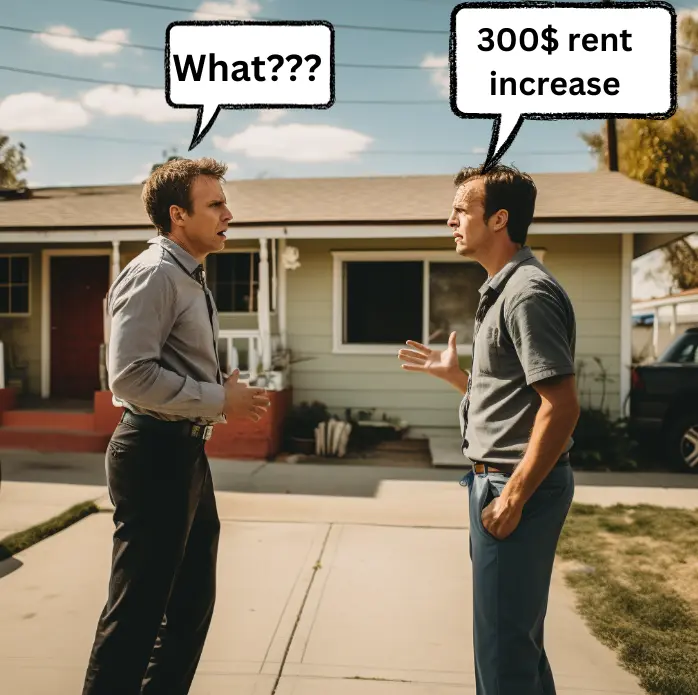
Factors Influencing How Much a Landlord Can Raise Rent $300 Dollars
Several factors determine whether your landlord can raise your rent $300 dollars. These elements include market conditions, your lease type, and the landlord’s operating costs. Each plays a significant role in the legality and justification of a rent hike.
Market Value and Comparable Rents in Your Area
Landlords often base rent increases on the current market value of similar properties. They research comparable rents in your neighborhood. If the market has seen a significant increase in demand or property values, a $300 hike might align with new market rates. This is a common justification.
However, you can also use market comparisons to your advantage during negotiations. Researching similar units can help you determine if the proposed increase is fair. Websites like Zillow, Apartments.com, or local real estate listings can provide valuable data. This information empowers your position.
Your Lease Agreement: Fixed-Term vs. Month-to-Month
Your lease agreement is the most critical document. A fixed-term lease (e.g., 12 months) generally prevents rent increases until the lease term ends. Your landlord cannot change the rent during this period. Once the lease expires, they can propose a new rent for renewal.
Conversely, a month-to-month lease offers less stability. Landlords can typically raise rent with proper notice, as defined by state law. This notice period is usually 30 or 60 days. Therefore, if you have a month-to-month agreement, your landlord has more flexibility to increase your rent, even by $300, provided they follow notice rules.
- Fixed-Term Lease: Rent is locked for the duration.
- Month-to-Month Lease: Rent can change with proper notice.
- Lease Renewal: New terms, including rent, can be proposed.
Property Taxes, Operating Costs, and Capital Improvements
Landlords incur various expenses related to their properties. Rising property taxes, increased utility costs, insurance premiums, and maintenance expenses can all contribute to the need for a rent increase. These operational costs are often passed on to tenants. A $300 increase might reflect these accumulating expenses.
Furthermore, significant capital improvements, such as a new roof, updated HVAC systems, or major renovations, can also justify higher rents. Landlords seek to recoup their investments. While these reasons are valid, they must still comply with legal limits and notice requirements. Documenting these costs can support a landlord’s case.
Notice Requirements: Can My Landlord Raise My Rent $300 Dollars Without Warning?
Absolutely not. Landlords cannot raise your rent $300 dollars without providing proper notice. This is a fundamental tenant right in almost every jurisdiction. The specific notice period varies by state and lease type.
Standard Notice Periods for Rent Increases by State
Most states require landlords to provide a written notice of a rent increase. This period is commonly 30 or 60 days. Some states, like California, require 60 days’ notice for increases over 10%. It is crucial to check your state’s specific requirements. This notice must be delivered appropriately.
For example, if your state requires 30 days’ notice, your landlord must inform you at least 30 days before the new rent takes effect. This allows you time to decide whether to accept the new terms or move out. Always ensure the notice meets all legal criteria.
Specific Rules for Fixed-Term Leases and Renewals
As mentioned, a fixed-term lease locks in your rent. Your landlord cannot raise it until the lease expires. However, when your lease approaches its end, the landlord can propose a new rent for the renewal term. They must still provide proper notice, typically 30 to 90 days before the lease ends, depending on state law. This notice allows you to consider the new terms.
If you choose not to renew at the increased rate, you are expected to vacate the property by the end of your current lease term. Understanding these timelines is vital for planning your next steps. Do not assume your rent will remain the same upon renewal.
What Constitutes Improper Notice and Your Recourse
Improper notice occurs if your landlord fails to provide the required written notice, gives insufficient time, or delivers it incorrectly. For example, a verbal notice is usually not legally binding. If you receive improper notice, the rent increase may not be enforceable. You have recourse in such situations.
Your options include informing your landlord of the violation, refusing to pay the increased amount, or seeking legal advice. It is always wise to document everything, including the date you received the notice and its contents. This documentation strengthens your position if a dispute arises. for more information on tenant rights.
What to Do If Your Landlord Raises Rent $300 Dollars: Your Action Plan
Receiving a notice for a $300 rent increase can be alarming. However, you have several steps you can take. A structured approach will help you navigate this situation effectively and protect your rights.
Reviewing Your Current Lease Agreement Thoroughly
Your lease agreement is your primary reference. Read it carefully to understand the terms regarding rent increases. Look for clauses about notice periods, renewal terms, and any specific conditions related to rent adjustments. This document outlines your contractual obligations and rights. It is your foundational legal text.
Pay close attention to the lease end date and whether it automatically converts to a month-to-month tenancy. This detail significantly impacts your landlord’s ability to raise the rent. Understanding your lease is the first step in formulating your response.
Researching Local and State Landlord-Tenant Laws
After reviewing your lease, research the specific landlord-tenant laws in your city and state. Websites for your state’s Attorney General, Department of Housing, or local housing authority are excellent resources. Look for information on rent control, notice requirements, and tenant protections. This research will clarify if your landlord can raise your rent $300 dollars legally.
For example, you can visit the U.S. Department of Housing and Urban Development (HUD) website for state-specific tenant rights information: HUD.gov State Information. This will provide valuable context. Knowing the law empowers you to challenge an unlawful increase.
Documenting All Communication and Potential Violations
Maintain a meticulous record of all communications with your landlord. This includes copies of the rent increase notice, emails, text messages, and notes from phone calls. Document dates, times, and the content of these interactions. This evidence is crucial if you need to dispute the increase.
Furthermore, if you suspect a violation of your tenant rights or local laws, document it thoroughly. Take photos, gather witness statements, and keep a detailed log. Strong documentation is your best asset in any landlord-tenant dispute. It provides concrete proof of your claims.
- Review your lease agreement.
- Research local and state laws.
- Document all communications.
- Seek legal advice if necessary.
Negotiating a Rent Increase with Your Landlord
Even if a $300 rent increase is legal, negotiation might be possible. A landlord may prefer to retain a good tenant rather than face a vacancy. Approaching the negotiation professionally and with data can yield positive results. It is always worth trying to find a middle ground.
Preparing Your Argument: Market Comps and Tenant History
Before negotiating, gather evidence to support your case. Research comparable rents in your area to show if the proposed increase is significantly above market rates. Highlight your positive tenant history, such as always paying rent on time and maintaining the property well. Emphasize your reliability.
Presenting a well-reasoned argument, backed by facts, can be very persuasive. You are not just complaining; you are offering a logical basis for a lower increase. This approach demonstrates your commitment to a fair resolution. It shows you are a valuable tenant.
Proposing Alternatives or a Phased Increase
Consider proposing alternatives to your landlord. You could suggest a smaller increase, perhaps $100 or $150, in exchange for signing a longer lease. Another option is a phased increase, where the $300 increase is spread out over several months. This makes it more manageable for you.
Be open to compromise and show flexibility. A landlord might be willing to meet you halfway to avoid the costs and uncertainties of finding a new tenant. These creative solutions can often lead to a mutually beneficial outcome. Always present your proposals clearly.
Seeking Legal Advice if Negotiations Fail
If negotiations fail and you believe the increase is unlawful, seek legal advice. Tenant rights organizations, legal aid societies, or private attorneys specializing in landlord-tenant law can provide guidance. They can assess your situation and advise on the best course of action. Do not hesitate to consult professionals.
A legal expert can help you understand your options, including sending a formal letter to your landlord or pursuing legal action. This step is especially important if your landlord is violating rent control laws or proper notice requirements. Protecting your rights is paramount.
FAQs: Can My Landlord Raise My Rent $300 Dollars?
Here are some frequently asked questions regarding significant rent increases and your tenant rights.
Is a $300 rent increase legal in all situations?
No, a $300 rent increase is not legal in all situations. Its legality depends on several factors. These include your lease agreement, whether your area has rent control laws, and state-specific notice requirements. In rent-controlled areas, such a large increase is often unlawful. Always check your local regulations.
What if I can’t afford the increased rent?
If you cannot afford the increased rent, you have several options. You can try to negotiate with your landlord for a lower increase or a payment plan. Alternatively, you may need to seek new housing. Researching local affordable housing programs or tenant support services can also be beneficial. Planning ahead is crucial.
Can my landlord raise rent during an active lease?
Generally, no, your landlord cannot raise rent during an active fixed-term lease. The rent amount is fixed for the duration of the lease agreement. However, if you have a month-to-month lease, your landlord can raise the rent with proper written notice, as mandated by state law. Always refer to your specific lease terms.
Conclusion: Protecting Your Rights as a Tenant Against Rent Hikes
Understanding whether your landlord can raise your rent $300 dollars requires diligence and knowledge. Your lease agreement, local rent control ordinances, and state landlord-tenant laws are your primary guides. Always review these documents and regulations carefully. Being informed is your strongest defense against unfair increases.
Key Takeaways on Rent Increase Legality
Remember that proper notice is always required for any rent increase. Rent control laws, where applicable, impose strict limits on increase percentages. Fixed-term leases protect you from mid-lease hikes. Knowledge of these key points empowers you to assert your rights effectively. Do not be afraid to question an increase.
When and Where to Seek Professional Legal Assistance (Call to Action)
If you believe your landlord has unlawfully raised your rent, or if negotiations fail, seek professional legal assistance. Contact a local tenant rights organization, legal aid service, or a landlord-tenant attorney. They can provide expert advice and help you navigate complex legal issues. Protect your housing by understanding your rights. Share this article to help others understand their options!
80 thoughts on “Can My Landlord Raise My Rent $300 Dollars: Your Rights”