Experiencing an air conditioning breakdown during hot weather can be incredibly frustrating for any tenant. A common and urgent question arises: how long can a landlord leave you without air-conditioning? The answer isn’t always simple, as it depends heavily on your lease agreement, local and state laws, and whether AC is considered an essential service in your area. Understanding your tenant rights is crucial to ensure your living space remains comfortable and safe.
Understanding Your Rights: How Long Can a Landlord Leave You Without Air-Conditioning?
The duration a landlord can legally leave you without air-conditioning varies significantly. Generally, landlords must provide a habitable living environment. This includes maintaining essential services. However, what constitutes “essential” often depends on specific state and local housing codes. Therefore, tenants must consult their lease and local regulations.
What Constitutes a ‘Habitable’ Living Space?
A habitable living space means the property meets basic health and safety standards. This typically includes working plumbing, electricity, and structural integrity. In some regions, especially those with extreme heat, a functional air conditioning system is considered part of this standard. Without it, the dwelling might be deemed uninhabitable, particularly for vulnerable residents.
When is AC Considered an Essential Service?
AC is not universally considered an essential service like heat or running water. However, in many Southern states or areas prone to severe heatwaves, it becomes critical. Local ordinances often dictate if a landlord must provide and maintain AC. Furthermore, your specific lease agreement might explicitly list AC as an amenity the landlord is responsible for maintaining. Always check your lease terms carefully.
Defining ‘Reasonable Time’ for Repairs and Maintenance
Landlords are generally given a “reasonable time” to make repairs after receiving proper notice. This timeframe is not always fixed. It can depend on the severity of the issue, the availability of parts or technicians, and local laws. For an essential service like AC in extreme heat, “reasonable time” might be as short as 24-72 hours. Conversely, for a non-essential amenity, it could extend to several days or even weeks. Therefore, communication is key.
The Implied Warranty of Habitability and AC Repairs
Most residential leases include an “implied warranty of habitability.” This legal principle means a landlord guarantees the rental property is fit for human habitation. It applies even if not explicitly written in the lease. This warranty ensures basic living conditions are met throughout the tenancy, protecting tenants from unsafe or unhealthy environments.
Core Principles of the Warranty in Rental Agreements
The implied warranty of habitability requires landlords to maintain the property in a safe and sanitary condition. This includes structural soundness, pest control, and functioning utilities. If a critical system like AC fails, especially in dangerous temperatures, it could violate this warranty. Tenants have specific rights when this warranty is breached, offering them legal recourse.
AC as a Health and Safety Concern in Extreme Heat
In regions experiencing extreme heat, a lack of functioning air conditioning can pose significant health risks. Vulnerable populations, such as the elderly, young children, and individuals with health conditions, are particularly susceptible to heatstroke and other heat-related illnesses. Therefore, in these circumstances, AC quickly transitions from a comfort amenity to a health and safety necessity. Landlords must act promptly.
Distinguishing Between Essential and Non-Essential AC Systems
It’s important to differentiate between central air conditioning and a window unit. Central AC, if provided, is often considered part of the dwelling’s essential systems. A portable or window unit, however, might be viewed differently. If the lease specifies central AC, the landlord’s responsibility is clearer. If you brought your own unit, repair is typically your responsibility.
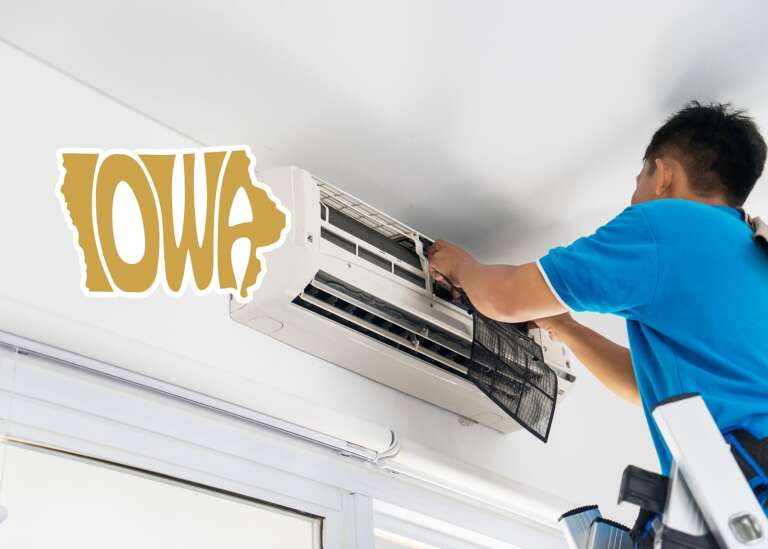
State-Specific Laws: When is AC a Landlord’s Responsibility?
Tenant-landlord laws vary significantly from state to state. Some states have specific statutes addressing air conditioning as a mandatory amenity. Other states leave it up to the lease agreement. Therefore, tenants must research their local and state housing laws. This knowledge empowers you to advocate for your rights effectively.
States Where AC is Mandated as a Basic Amenity
States like Arizona, Florida, and Texas, known for their hot climates, often have laws or ordinances that consider working air conditioning a basic amenity. In these areas, landlords are legally obligated to provide and maintain a functional cooling system. Failure to do so can lead to legal consequences. For example, Florida Statute 83.51 requires landlords to maintain “facilities for furnishing heat and running water, and hot water.” While AC isn’t explicitly listed, courts may interpret it as essential in extreme heat. You can find more information on tenant rights at official state government websites, such as your state’s Department of Housing or Attorney General’s office. Learn more about Florida tenant rights here.
Lease Agreement Clauses and AC Maintenance Obligations
Your lease agreement is the primary document outlining AC maintenance responsibilities. It should clearly state whether the landlord or tenant is responsible for repairs. Many leases specify that the landlord maintains all major appliances and systems. Always read your lease thoroughly before signing. If AC is mentioned, the landlord is typically bound by those terms.
Emergency vs. Non-Emergency AC Breakdowns: What’s the Difference?
An emergency breakdown usually involves a situation that poses an immediate threat to health or safety. This often includes AC failure during extreme heatwaves. Non-emergency issues, while inconvenient, do not pose an immediate danger. The distinction affects the “reasonable time” a landlord has for repairs. Landlords must prioritize emergency repairs. This is especially true when considering how long can a landlord leave you without air-conditioning in critical situations.
Steps to Take When Your Landlord Fails to Repair AC
If your landlord is not addressing a broken AC unit, taking the correct steps is vital. Proper documentation and communication can protect your rights. It also provides evidence if further action becomes necessary. Do not delay in reporting the issue.
Documenting the Issue: Providing Formal Notice to Landlord
Always notify your landlord in writing about the AC problem. Include the date, a detailed description of the issue, and when it began. Send this notice via certified mail or email, ensuring you have proof of delivery. This formal notice starts the clock on the “reasonable time” for repairs. Keep copies of all correspondence for your records.
Following Up and Maintaining Communication Records
After your initial notice, follow up regularly, still in writing. Keep a log of all communications, including phone calls, dates, times, and what was discussed. Note any promises made by the landlord or property manager. This meticulous record-keeping is invaluable. It demonstrates your efforts to resolve the issue amicably.
Understanding Your Lease’s Repair Clauses and Tenant Responsibilities
Before taking drastic action, re-read your lease’s repair clauses. Understand your own responsibilities. Some leases require tenants to perform minor maintenance, such as changing filters. Ensure you have fulfilled all your obligations. This prevents the landlord from claiming you are at fault for the breakdown.
If your landlord still fails to act, consider these steps:
- Send a final written notice, reiterating the problem and your intent to pursue further action.
- Contact local tenant rights organizations or legal aid services for advice.
- Consult a lawyer specializing in landlord-tenant law.
Legal Recourse and Remedies for Unrepaired Air Conditioning
When a landlord fails to repair AC within a reasonable timeframe, tenants have several legal options. These remedies vary by state and should be approached with caution. Always seek legal advice before taking action. Understanding your options is key to knowing how long can a landlord leave you without air-conditioning before you can act.
Withholding Rent (and its Risks and Legal Requirements)
In some states, you may be able to withhold rent, but this is a high-risk strategy. You must typically place the rent money into an escrow account. You must also follow strict legal procedures. Improperly withholding rent can lead to eviction. Always consult an attorney before considering this option.
Repair and Deduct Options: When and How to Utilize Them
The “repair and deduct” option allows tenants to pay for repairs themselves and deduct the cost from future rent. This is usually only permissible for essential repairs. It also has strict limits on the amount you can deduct. You must provide proper notice and allow the landlord a reasonable time to fix the issue first. Keep all repair receipts.
Terminating the Lease or Suing for Damages Due to Lack of AC
If the AC problem makes the unit uninhabitable, you might have grounds to terminate your lease. This is known as “constructive eviction.” Alternatively, you could sue for damages, such as the cost of temporary housing or medical bills due to heat exposure. Both options are serious legal actions. They require strong documentation and legal counsel. This is often the final step when landlords ignore the question of how long can a landlord leave you without air-conditioning.
Here’s a general process for pursuing remedies:
- Send written notice of the issue and your intent to pursue remedies.
- Allow the landlord the legally defined “reasonable time” for repairs.
- If no action, consult with a tenant rights attorney or legal aid.
- Follow legal procedures precisely for your chosen remedy (e.g., escrow account for rent withholding).
Frequently Asked Questions
Can my landlord charge me for AC repair if it breaks down?
Generally, no, unless the damage was caused by your negligence or misuse. If the AC unit breaks down due to normal wear and tear, it is typically the landlord’s responsibility to cover repair costs. Your lease agreement should clarify these terms. However, landlords cannot charge for routine maintenance or system failures.
What if my AC unit is old but still ‘working’ poorly?
If your AC unit is old and inefficient, but still technically functional, the landlord might not be legally obligated to replace it. However, if it cannot maintain a reasonable indoor temperature, especially in hot climates, it could still violate the implied warranty of habitability. Document the poor performance and communicate with your landlord. Consider getting a professional opinion on its effectiveness.
How quickly must a landlord fix an AC in an emergency situation?
In an emergency, such as extreme heat posing a health risk, a landlord typically must act very quickly. This often means within 24-72 hours. Local laws define “emergency” and the required response time. Always refer to your state and city housing codes. Prompt action is expected for critical issues.
Does a landlord have to provide AC if it’s not explicitly in the lease?
Not necessarily. If AC is not mentioned in the lease, and it’s not mandated by state or local housing codes as an essential amenity, the landlord might not be legally required to provide it. However, if AC was present and functional when you moved in, it might be considered an implied amenity. This can create an expectation of continued maintenance. Therefore, clarity in the lease is always best.
Conclusion: Protecting Your Comfort and Rights as a Tenant
Understanding how long can a landlord leave you without air-conditioning is crucial for protecting your rights and comfort. While there isn’t a universal answer, your lease, state laws, and local ordinances dictate the specifics. Always prioritize clear communication and meticulous documentation. Furthermore, do not hesitate to seek legal advice if your landlord fails to provide a habitable living environment. Your well-being in your rental home is paramount. Stay informed and advocate for yourself effectively.