Transforming your living spaces with both beauty and resilience is a common goal for homeowners. When it comes to enhancing aesthetics and protecting floors, area rugs home decor for high traffic solutions are essential. These specialized rugs are designed to withstand constant footfall, spills, and daily wear, ensuring your home remains stylish and inviting without compromising durability. Understanding the right choices can significantly impact your home’s longevity and visual appeal.
Understanding Area Rugs Home Decor for High Traffic
High-traffic areas in a home experience frequent movement, making them prone to accelerated wear and tear. Therefore, selecting the right area rugs home decor for high traffic is crucial. These rugs are engineered with robust materials and construction methods to endure the demands of busy households, maintaining their appearance over time.
Identifying Common High-Traffic Zones in Your Home
Certain areas in every home naturally attract more foot traffic than others. Recognizing these zones is the first step in choosing appropriate rug solutions. Entryways, hallways, living rooms, and dining areas are prime examples. Kitchens also often fall into this category, requiring extra durable options.
Why Standard Rugs Fail in Busy Environments
Regular decorative rugs, while beautiful, are not built for the rigors of high-traffic zones. Their fibers can quickly flatten, fray, or show dirt, leading to a worn-out appearance. This rapid deterioration means frequent replacement, which is neither cost-effective nor sustainable. Investing in specialized rugs prevents this cycle.
Key Factors Defining a High-Traffic Rug
Several characteristics distinguish a high-traffic rug from a standard one. These include the material composition, weave type, and pile height. A combination of these factors ensures the rug can endure heavy use while retaining its aesthetic value. Durability and ease of maintenance are paramount for these pieces.
Top Materials for Durable Area Rugs in Busy Homes
The material of an area rug is the most critical factor in its ability to withstand high traffic. Choosing wisely ensures longevity and performance. Different fibers offer unique benefits, from natural resilience to synthetic strength, making them ideal for various home decor needs.
Wool: The Natural Choice for Resilience and Style
Wool is a classic and highly recommended material for area rugs home decor for high traffic. Its natural crimp gives it excellent elasticity, allowing fibers to bounce back after compression. Wool is also naturally stain-resistant and incredibly durable, making it a smart investment for busy areas. Furthermore, it adds a luxurious feel.
Synthetics: Nylon, Polypropylene, and PET for Heavy Foot Traffic
Synthetic fibers offer exceptional durability and often come at a more accessible price point. Nylon is renowned for its strength and resistance to crushing and abrasion. Polypropylene (Olefin) is highly stain-resistant and moisture-repellent, perfect for homes with children or pets. PET (recycled plastic bottles) offers eco-friendly durability. These materials are engineered for performance.
Natural Fibers: Jute, Sisal, and Seagrass Considerations
Natural plant fibers like jute, sisal, and seagrass provide a unique texture and earthy aesthetic. Sisal and seagrass are particularly robust and have a coarse texture that stands up well to traffic. Jute is softer but still quite durable. However, some natural fibers can be more susceptible to staining, so consider their placement carefully.
- Wool: Excellent resilience, natural stain resistance, luxurious feel.
- Nylon: Superior strength, crush and abrasion resistance.
- Polypropylene: High stain and moisture resistance, budget-friendly.
- Sisal/Seagrass: Extremely durable, natural texture, good for high-traffic.
Styles and Designs: Elevating Your Home Decor with High-Traffic Rugs
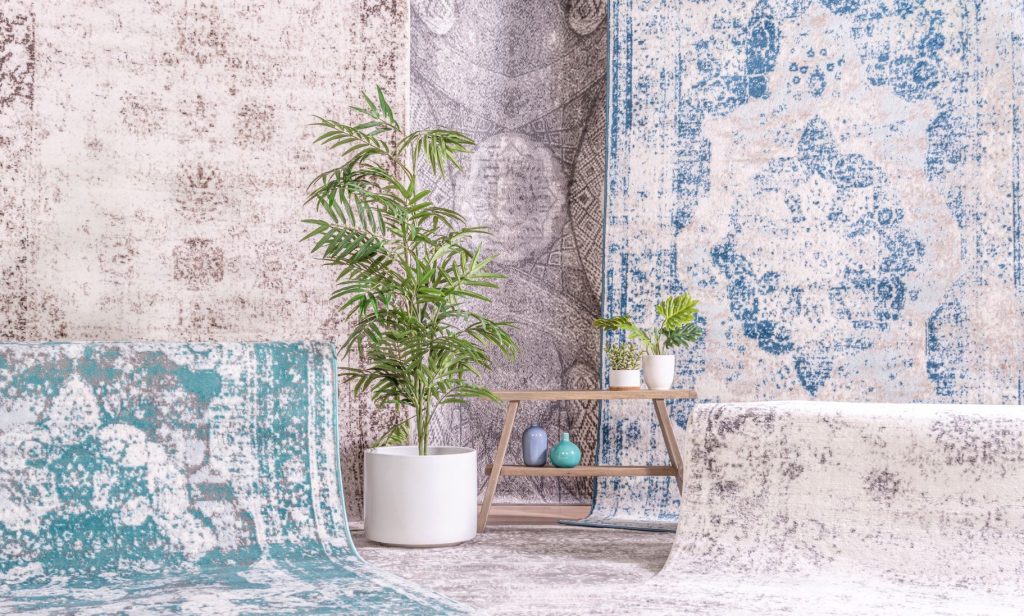
Beyond material, the style and design of your rug play a significant role in its perceived durability and how it integrates into your home decor. A well-chosen design can mask minor wear and tear, keeping your space looking fresh. It also contributes significantly to the overall aesthetic.
Patterned Rugs: Hiding Wear and Tear Beautifully
Patterned rugs are an excellent choice for high-traffic areas because they naturally camouflage dirt, spills, and foot traffic marks. Intricate designs, geometric patterns, or multi-colored motifs divert the eye, making imperfections less noticeable. This allows the rug to maintain its attractive appearance longer.
Low Pile vs. High Pile: What Works Best for Busy Areas
For high-traffic zones, a low-pile rug is generally superior. Low-pile rugs have shorter fibers that are less likely to flatten, mat, or show footprints. They are also easier to clean and maintain. High-pile rugs, while soft and luxurious, tend to show wear more quickly and can trap dirt. Therefore, choose low pile for durability.
Color Palettes and Their Impact on Durability Perception
Darker colors and multi-tonal rugs are often preferred for high-traffic areas as they hide dirt and stains more effectively. While light colors can brighten a space, they require more frequent cleaning to look pristine in busy zones. Consider your lifestyle and cleaning habits when selecting a color palette. A good balance can be achieved with medium tones.
Choosing the Right Size & Shape for High-Traffic Spaces
Proper sizing and placement are crucial for maximizing the effectiveness and lifespan of your area rugs home decor for high traffic. An appropriately sized rug can define a space, protect flooring, and guide traffic flow. Incorrect sizing can lead to premature wear or an awkward appearance.
Sizing Guidelines for Living Rooms, Hallways, and Entryways
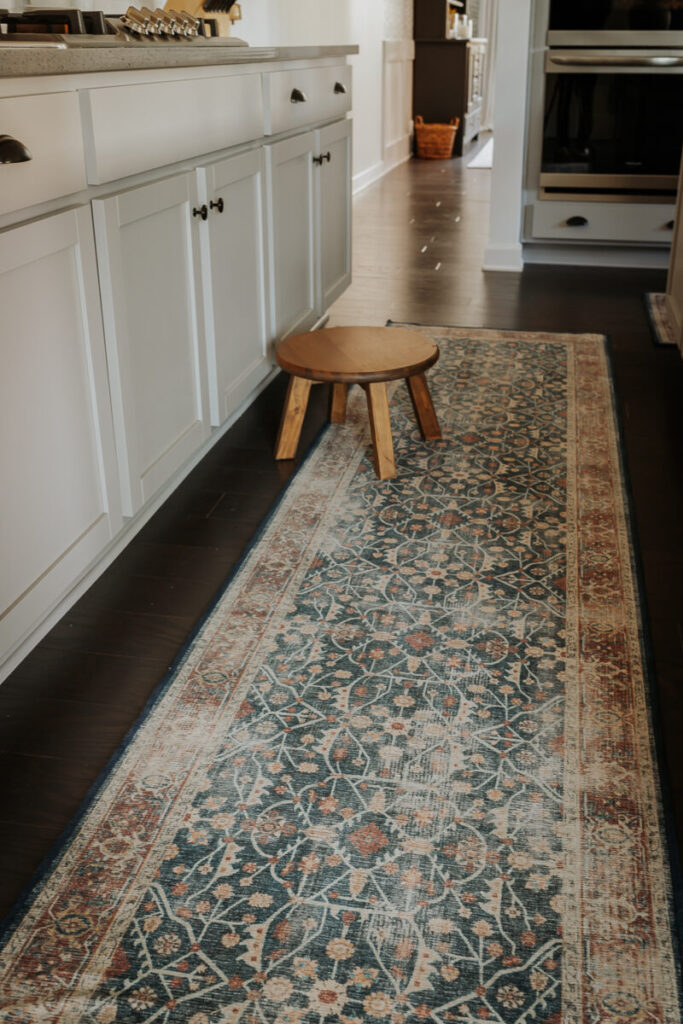
In living rooms, the rug should be large enough for at least the front legs of all main furniture pieces to rest on it. For hallways, choose a runner that leaves 4-6 inches of floor visible on both sides. Entryways benefit from a durable rug that covers the main entry path. Always measure your space carefully before purchasing.
The Impact of Rug Placement on Traffic Flow
Strategic rug placement can significantly influence how people move through a room. Placing a durable rug in the direct path of traffic protects the underlying floor and the rug itself. Avoid placing smaller rugs in the middle of a high-traffic path where they might shift or become tripping hazards. Furthermore, ensure edges are secure.
Layering Rugs in High-Traffic Zones for Added Protection
Layering can be an innovative way to add style and extra protection. A larger, durable base rug, like a sisal or jute, can be topped with a smaller, more decorative rug. This technique adds visual interest while providing an extra layer of defense against wear. It also allows for easier replacement of the top layer if needed.
- Measure your room dimensions accurately.
- Consider furniture arrangement for optimal rug coverage.
- Choose a rug size that anchors the space, not floats in it.
- Ensure runners leave adequate floor space on sides.
Maintenance Tips for Long-Lasting High-Traffic Area Rugs
Even the most durable area rugs home decor for high traffic require consistent care to maintain their appearance and extend their lifespan. Regular maintenance prevents dirt and grime from embedding into fibers. Therefore, a proactive approach to cleaning is essential for busy households.
Regular Cleaning Routines for Busy Households
Vacuuming at least 2-3 times a week is vital for high-traffic rugs. Use a vacuum with strong suction and adjustable height settings to avoid damaging fibers. Additionally, rotate your rug every 6-12 months to ensure even wear across its surface. This simple routine makes a big difference.
Dealing with Spills and Stains on Durable Rugs
Prompt action is key when spills occur. Blot, do not rub, spills immediately with a clean, white cloth. Use appropriate rug cleaners for specific stain types, always testing in an inconspicuous area first. Many durable synthetic rugs are designed for easy spot cleaning. For tougher stains, professional cleaning might be necessary.
Protecting Your Investment: Rug Pads and Rotation
A high-quality rug pad is indispensable for high-traffic rugs. It provides cushioning, prevents slipping, and extends the rug’s life by absorbing impact. The pad also allows air circulation, preventing moisture buildup. Regularly rotating the rug ensures even wear, preventing specific areas from deteriorating faster. For more information on rug care, visit Rugs.com’s Cleaning Guide.
Frequently Asked Questions
What is the most durable material for a high-traffic area rug?
Wool and synthetic fibers like nylon and polypropylene are generally considered the most durable materials for high-traffic area rugs. Wool offers natural resilience and stain resistance, while nylon provides exceptional strength and resistance to crushing. Polypropylene is highly resistant to stains and moisture.
Can I use a light-colored rug in a high-traffic area?
While possible, using a light-colored rug in a high-traffic area requires more diligent and frequent cleaning. Light colors show dirt, stains, and wear more readily than darker or patterned rugs. If you love light colors, consider a material like polypropylene known for its easy cleanability.
How often should I clean my high-traffic area rug?
For high-traffic areas, it’s recommended to vacuum your rug at least 2-3 times a week to prevent dirt from embedding. Professional deep cleaning should be done every 12-18 months, depending on the level of traffic and presence of pets or children.
Conclusion: Enhance Your Home with Resilient Area Rugs
Choosing the right area rugs home decor for high traffic is a smart investment for any home. By focusing on durable materials, strategic designs, and proper maintenance, you can ensure your rugs remain beautiful and functional for years to come. These resilient pieces not only protect your floors but also elevate your interior design, creating welcoming and stylish spaces that stand the test of time. Make informed choices to enjoy lasting beauty and practicality in your busiest rooms.