Facing a wrongful eviction can be an incredibly stressful and disruptive experience. Many tenants immediately wonder, “how much can I sue a landlord for wrongful eviction?” The exact amount you can recover varies significantly. It depends on numerous factors, including the specific circumstances of your case, the laws in your state, and the types of damages you incurred. Understanding your rights and potential compensation is the first step toward seeking justice.
Understanding Your Rights in Wrongful Eviction Claims
A wrongful eviction occurs when a landlord unlawfully removes a tenant from their rental property. This action violates the tenant’s legal rights and lease agreement. Tenants have strong protections against such arbitrary actions. Knowing these protections is crucial for any tenant experiencing an illegal lockout or forced move.
Defining Wrongful Eviction: What Qualifies?
A wrongful eviction is not simply being asked to leave. It involves specific illegal actions by a landlord. Common examples include changing locks without a court order, shutting off utilities, or using intimidation tactics. Furthermore, evicting a tenant for discriminatory reasons or in retaliation for exercising their rights is also considered wrongful.
- Locking out a tenant without a court order.
- Removing a tenant’s belongings from the property.
- Shutting off essential utilities like water or electricity.
- Evicting a tenant based on discrimination (e.g., race, religion, family status).
- Retaliatory evictions after a tenant complains about conditions.
Your Tenant Rights and Protections
Tenants possess fundamental rights, often outlined in state and local landlord-tenant laws. These rights include the right to proper notice before eviction proceedings. Additionally, tenants have the right to a safe and habitable living environment. A landlord cannot bypass legal processes to remove a tenant, regardless of the situation. These protections help ensure fair treatment for all renters.
Types of Damages You Can Sue a Landlord For Wrongful Eviction
When you sue a landlord for wrongful eviction, you are seeking compensation for losses suffered. These losses can be financial, emotional, or even punitive. Identifying all potential damages is essential for building a strong case. Therefore, a thorough assessment of your situation is necessary.
Actual (Compensatory) Damages: Direct Financial Losses
Actual damages aim to reimburse you for direct financial losses caused by the wrongful eviction. These are often the easiest to quantify with receipts and documentation. For instance, this includes the cost of temporary housing or lost wages. You should meticulously track all expenses related to your displacement.
- Lost Rent: The difference between your old rent and new, higher rent.
- Temporary Housing Costs: Hotel stays, short-term rentals, or other emergency housing.
- Moving and Storage Expenses: Costs associated with relocating your belongings.
- Lost Wages: Income missed due to time spent dealing with the eviction.
- Property Damage: Costs to repair or replace items damaged during the eviction.
Punitive Damages: When Landlord Conduct is Egregious
Punitive damages are not about compensating the tenant directly. Instead, they punish the landlord for particularly malicious or reckless behavior. Courts award these damages to deter similar conduct in the future. However, punitive damages are not common and require a high burden of proof. The landlord’s actions must demonstrate a willful disregard for your rights.
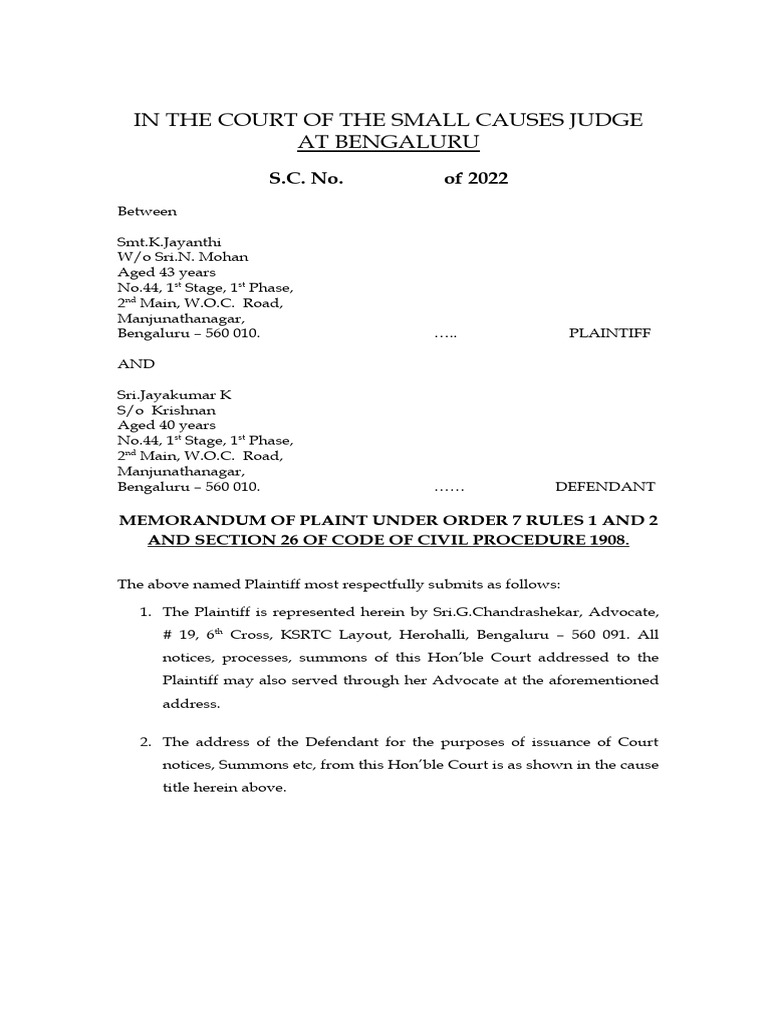
Emotional Distress and Pain & Suffering
A wrongful eviction can cause significant emotional distress, anxiety, and even physical symptoms. Some jurisdictions allow tenants to sue for these non-economic damages. Proving emotional distress can be challenging, often requiring medical documentation or testimony. This type of compensation acknowledges the severe impact such an event can have on a person’s well-being.
Factors Influencing How Much You Can Sue a Landlord For
Several critical factors determine the potential value of your wrongful eviction claim. Understanding these elements helps manage expectations. Furthermore, it guides your strategy in pursuing compensation. Each case is unique, so individual circumstances play a significant role.
State and Local Landlord-Tenant Laws
Landlord-tenant laws vary considerably by state and even by city. Some jurisdictions offer specific statutory damages for wrongful eviction, often multiplying actual damages. For example, some states might allow for double or triple the actual damages. Always consult the specific laws applicable to your location. This is a crucial step in understanding how much can I sue a landlord for wrongful eviction effectively.
Strength of Evidence and Documentation
Strong evidence is paramount to a successful claim. Keep meticulous records of everything related to your tenancy and the eviction. This includes lease agreements, communication with your landlord, receipts for expenses, and photographic evidence. The more documentation you have, the stronger your case will be in court. Nolo.com provides further insights into wrongful eviction scenarios.
Landlord’s Intent and Malice
The landlord’s intent behind the eviction significantly impacts the potential damages. If the eviction was malicious, retaliatory, or discriminatory, you might be eligible for punitive damages. Conversely, an unintentional error by the landlord might result in lower compensation. Courts consider the landlord’s state of mind when assessing penalties.
Calculating Your Potential Claim: How Much Can I Sue a Landlord For Wrongful Eviction?
Estimating the total value of your claim involves adding up all quantifiable losses. This calculation helps you understand the financial impact of the wrongful eviction. It also provides a basis for negotiation or a lawsuit. Be thorough in your accounting to ensure no losses are overlooked.
Lost Rent and Temporary Housing Costs
Calculate any increased rent you paid for a comparable new unit. Also, include all costs for temporary housing, such as hotel bills or short-term rentals. Keep receipts for every expense. This category often forms a substantial portion of actual damages. For example, if your old rent was $1,000 and your new comparable rent is $1,200, you have $200 in lost rent per month.
Property Damage, Moving, and Storage Expenses
Document any damage to your personal property during the eviction process. Include the cost of repairs or replacement. Additionally, tally all expenses related to moving your belongings and any storage fees incurred. These are direct financial losses that you can claim. Make sure to get multiple quotes if repairs are needed.
Legal Fees and Court Costs
Legal fees can quickly accumulate when pursuing a lawsuit. In many wrongful eviction cases, you can recover these costs from the landlord if you win. Keep detailed records of all attorney fees, court filing fees, and other litigation expenses. This ensures you can seek full reimbursement for your legal journey.
The Legal Process: Suing a Landlord for Wrongful Eviction
Navigating the legal system can seem daunting, but understanding the steps helps. The process typically begins with gathering evidence and attempting to resolve the issue outside of court. However, if negotiations fail, filing a lawsuit becomes necessary. Each stage requires careful attention to detail.
Gathering Evidence and Documentation
Before any legal action, compile all relevant documents. This includes your lease agreement, any notices received, and communication records with your landlord. Furthermore, gather receipts for all expenses incurred due to the eviction. Photos or videos of property damage are also invaluable. Strong evidence is key to proving your case and understanding how much can I sue a landlord for wrongful eviction.
Demand Letters and Negotiation
Often, the first formal step is sending a demand letter to your landlord. This letter outlines your claims, the damages you seek, and a deadline for resolution. A demand letter can sometimes lead to a settlement without needing court intervention. Negotiation is often a faster and less expensive alternative to litigation. Consider professional help to draft an effective letter.
Filing a Lawsuit and Litigation Steps
If negotiation fails, you may need to file a lawsuit in civil court. This involves preparing and submitting legal documents, serving the landlord, and potentially going through discovery. Discovery is where both sides exchange information and evidence. Ultimately, your case may proceed to trial, where a judge or jury will decide the outcome. This process can be lengthy and complex.
- Consult with a qualified landlord-tenant attorney.
- Gather all necessary evidence and documentation.
- Send a formal demand letter to the landlord.
- File a complaint or petition with the appropriate court.
- Serve the lawsuit papers to your landlord.
- Engage in the discovery process (exchanging information).
- Attend mediation or settlement conferences.
- Proceed to trial if a settlement is not reached.
Frequently Asked Questions About Suing a Landlord for Wrongful Eviction
Many common questions arise when tenants consider legal action against a landlord. These FAQs address some of the most pressing concerns. Understanding these answers can help clarify your options. Thus, you can make informed decisions about your situation.
What is the statute of limitations for wrongful eviction?
The statute of limitations varies by state and the specific type of claim. Generally, it can range from one to several years from the date of the wrongful eviction. It is crucial to act promptly to ensure you do not miss your window for filing a lawsuit. Consult with a local attorney to confirm the exact deadline in your jurisdiction.
Can I sue my landlord without a lawyer?
While technically possible to represent yourself, it is strongly advised to hire an attorney. Landlord-tenant law can be complex, and a lawyer understands the nuances and court procedures. An attorney can help you accurately assess damages, gather evidence, and navigate the legal process. They can significantly increase your chances of a successful outcome.
What if my landlord retaliates after I sue?
Landlord retaliation is illegal. If your landlord attempts to retaliate (e.g., raising rent, reducing services, or filing another eviction) after you sue, you may have additional legal claims. Document any instances of retaliation immediately. Most states have laws specifically protecting tenants from such actions. You can amend your existing lawsuit or file a new one.
Conclusion: Seeking Justice and Compensation for Wrongful Eviction
Understanding how much can I sue a landlord for wrongful eviction involves assessing various damages and legal factors. While there’s no single answer, pursuing a claim can provide vital compensation for your losses. It also holds landlords accountable for illegal actions. Your rights as a tenant are protected by law, and you should not hesitate to enforce them.
Key Takeaways for Wrongfully Evicted Tenants
Always document everything, from lease agreements to communication and expenses. Know your state and local tenant laws thoroughly. Remember that both actual and potentially punitive damages can be sought. The strength of your evidence is paramount in any legal proceeding. Furthermore, acting quickly is important due to statutes of limitations.
Next Steps: Consult a Legal Professional Today
If you believe you have been wrongfully evicted, your best course of action is to consult with an experienced landlord-tenant attorney. They can evaluate your specific situation, explain your legal options, and help you understand how much can I sue a landlord for wrongful eviction. Don’t delay in seeking expert advice to protect your rights and pursue the compensation you deserve. Contact a local attorney for a consultation.