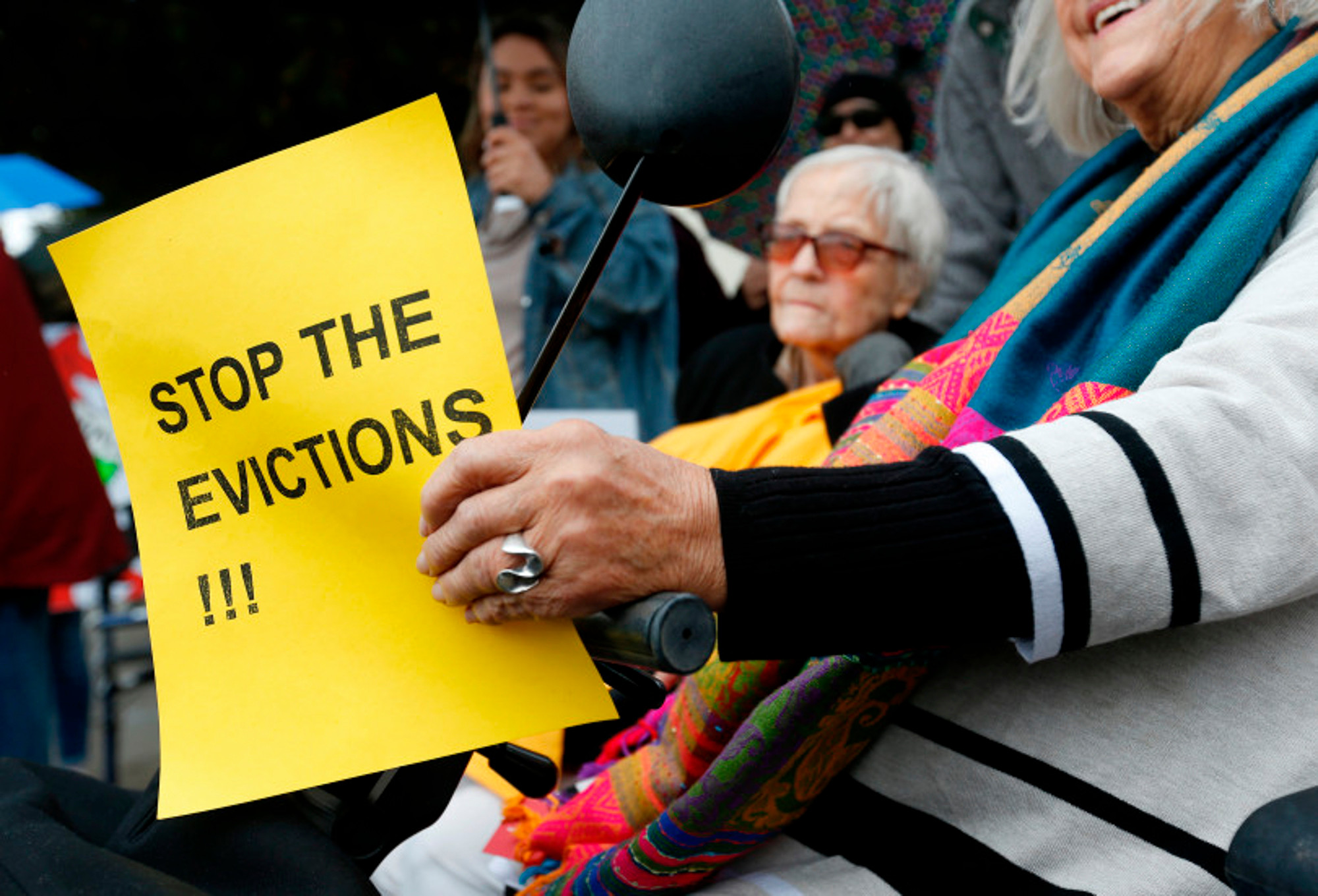
Understanding your rights as a tenant is crucial, especially when facing housing insecurity. Many renters often ask, “can my landlord evict me”, and the answer is complex. Landlords cannot simply remove you from your home without following specific legal procedures. This article will clarify the legitimate reasons for eviction, the process landlords must follow, and your essential tenant protections. Therefore, knowing your rights can empower you to respond effectively to any eviction notice.
Legal Grounds: When Can My Landlord Evict Me?
A landlord must have a legally recognized reason to initiate eviction proceedings against a tenant. These reasons are typically outlined in state and local landlord-tenant laws. Furthermore, your lease agreement often details specific actions that could lead to eviction. It is important to remember that not all disputes automatically lead to a valid eviction.
Generally, valid grounds for eviction revolve around a tenant’s failure to uphold their responsibilities. These responsibilities are primarily established in the lease and by law. Understanding these permissible grounds helps tenants identify if an eviction attempt is legitimate. Consequently, this knowledge is your first line of defense.
Non-Payment of Rent: The Most Common Reason
Failing to pay rent on time is the most frequent cause for eviction. Your lease agreement specifies the due date and any grace periods. If rent is not paid, your landlord can issue a “Pay or Quit” notice. This notice demands payment within a specific timeframe, typically 3-5 days, or you must vacate the property.
However, even with non-payment, landlords must still follow proper legal steps. They cannot immediately change locks or remove your belongings. Paying the overdue rent within the notice period often stops the eviction process. Therefore, always check your local laws regarding rent payment and eviction notices.
Lease Violations & Property Damage
Violating terms of your lease agreement can also lead to eviction. Common violations include having unauthorized pets, subletting without permission, or causing significant property damage. Landlords must usually provide a “Cure or Quit” notice, giving you a chance to fix the violation.
Serious or repeated violations, especially those that endanger other tenants or the property, might not offer a chance to cure. For instance, illegal activity on the premises is often grounds for immediate termination. Documenting any communication about alleged violations is always a wise step.
End of Lease Term (No-Fault Evictions)
In many jurisdictions, a landlord can choose not to renew a lease once its term expires. This is often referred to as a “no-fault” eviction because it doesn’t require a tenant to have violated the lease. However, the landlord must still provide proper notice, usually 30 or 60 days, before the lease ends.
Month-to-month tenancies also fall under this category, requiring similar notice periods for termination. Some cities have “just cause” eviction laws, which limit a landlord’s ability to evict without a specific reason, even at the end of a lease. Always check your local ordinances to understand these protections.
The Eviction Process: What Steps Must Landlords Follow?
The eviction process is a legal procedure with strict rules that landlords must follow. These steps are designed to protect both the landlord and the tenant. Any deviation from these steps can invalidate an eviction attempt. Understanding this process is key to knowing if your landlord can evict me legally.
Tenants should be aware that eviction is not an immediate event. It involves several stages, from initial notice to potential court proceedings. Each step has specific requirements and timelines. Knowledge of these steps allows tenants to prepare and respond appropriately.
Issuing a Proper Eviction Notice to Quit
The first formal step in any eviction is the landlord serving a written “Notice to Quit” or “Eviction Notice.” This document informs the tenant of the reason for eviction and the deadline to remedy the issue or move out. The type of notice and the required timeframe vary by state and the reason for eviction.
Common types of notices include:
- Pay or Quit Notice: For non-payment of rent.
- Cure or Quit Notice: For lease violations, giving a chance to fix the problem.
- Unconditional Quit Notice: For serious lease violations or repeated offenses, requiring immediate departure.
Filing an Unlawful Detainer Lawsuit
If the tenant does not comply with the Notice to Quit, the landlord can then file an “Unlawful Detainer” lawsuit in court. This is a civil court action to regain possession of the property. The tenant will receive a summons and complaint, officially notifying them of the lawsuit.
It is critical to respond to this summons within the specified timeframe, usually a few days to a week. Failure to respond can result in a default judgment against the tenant. This means the landlord wins automatically, and the eviction proceeds without a hearing. Therefore, never ignore court papers.
Court Hearing and Judgment Enforcement
During the court hearing, both the landlord and tenant present their cases. The judge will listen to evidence and testimony to decide if the eviction is valid. If the judge rules in favor of the landlord, an “Order of Possession” or “Writ of Restitution” is issued.
This order allows law enforcement, like a sheriff, to physically remove the tenant and their belongings if they do not vacate by a specific date.
- Landlord serves Notice to Quit.
- Tenant fails to comply.
- Landlord files Unlawful Detainer lawsuit.
- Tenant receives summons and complaint.
- Court hearing takes place.
- Judge issues Order of Possession if landlord wins.
- Sheriff enforces the order if tenant does not leave.
Tenant Rights & Defenses Against Eviction
Tenants possess significant rights that protect them from unfair or illegal evictions. Knowing these rights is paramount when you face an eviction threat. Many defenses can challenge a landlord’s claims in court. Therefore, understanding your protections can often prevent or delay an eviction.
It is important to gather all relevant documents and evidence if you believe your landlord is attempting an improper eviction. This includes lease agreements, rent receipts, communication records, and photos. Preparing thoroughly strengthens your position in court.
Retaliation and Discrimination as Defenses
Landlords cannot evict a tenant in retaliation for exercising their legal rights. For example, if you complain about unsafe living conditions or join a tenant’s union, your landlord cannot evict you for these actions. Similarly, eviction based on discrimination against protected classes (race, religion, gender, disability, etc.) is illegal under federal and state fair housing laws.
If you suspect retaliation or discrimination, document everything. This includes dates, times, and details of complaints, communications, and the eviction notice. Presenting this evidence in court can invalidate the eviction. These protections ensure that you can advocate for yourself without fear of reprisal.
Uninhabitable Living Conditions (Constructive Eviction)
Tenants have a right to a safe and habitable living environment. If a landlord fails to maintain the property to a reasonable standard, making it unsafe or unlivable, this can be a defense against eviction. Examples include lack of heat, running water, or severe pest infestations.
In some cases, if conditions are severe enough and the landlord fails to fix them after proper notice, a tenant might be able to claim “constructive eviction.” This means the tenant was forced to move out due to the landlord’s neglect. However, this is a complex legal claim and usually requires legal advice. For further reading, consult resources like Nolo.com for detailed information on tenant rights Tenant Rights & Responsibilities.
Improper Notice or Procedural Errors
Landlords must strictly adhere to legal procedures when serving eviction notices and filing lawsuits. Any errors in the notice, such as incorrect dates, reasons, or improper service, can be a valid defense. For instance, if the notice period was too short or not delivered correctly, the court might dismiss the case.
Furthermore, landlords must follow all court rules during the lawsuit. Tenants should meticulously review all documents received. Identifying procedural errors can buy you time or even lead to the dismissal of the eviction case. This highlights why understanding the process is vital when asking, “can my landlord evict me?”
Illegal Evictions: What Your Landlord Cannot Do
While landlords have the right to evict tenants for valid reasons, they must always follow legal channels. Certain actions are strictly prohibited and constitute illegal evictions. These “self-help” measures violate tenant rights and can result in severe penalties for the landlord. Therefore, understanding these boundaries is essential for every tenant.
Awareness of what constitutes an illegal eviction empowers tenants to protect themselves. If your landlord attempts any of these actions, you have legal recourse. It is important to document such incidents immediately and seek legal advice.
Self-Help Evictions (Changing Locks, Shutting Utilities)
A landlord cannot legally remove a tenant from a property by force or by making the living conditions uninhabitable. This includes changing locks, removing doors or windows, or shutting off essential utilities like water, electricity, or heat. Such actions are illegal in nearly all jurisdictions.
If your landlord attempts a self-help eviction, you can often sue them for damages. You might also be able to get a court order forcing them to restore access and services. These actions are a clear violation of your tenancy rights, regardless of whether your landlord can evict me for a valid reason.
Harassment and Intimidation Tactics
Landlords are prohibited from harassing or intimidating tenants to force them to move out. This includes frequent, unannounced visits, verbal abuse, or threats. Tenants have a right to quiet enjoyment of their rented property. Any actions that interfere with this right can be considered harassment.
Document any instances of harassment, including dates, times, and specific details. Keep copies of any threatening messages or emails. This evidence can be used in court to defend against an eviction or to pursue legal action against the landlord. Your peace of mind is a protected right.
Eviction Without a Court Order
The most critical point is that a landlord cannot evict a tenant without a court order. Even if a tenant has violated the lease or failed to pay rent, the landlord must go through the formal eviction lawsuit process. Only a judge can authorize an eviction, and only law enforcement can physically remove a tenant.
Any attempt by a landlord to force you out without a court order is illegal. Do not vacate the premises if your landlord tries to evict you without proper legal documentation. Instead, seek immediate legal counsel to understand your options and protect your tenancy. This ensures that the question, “can my landlord evict me,” is answered through due process.
Navigating an Eviction Notice & Seeking Help
Receiving an eviction notice can be a frightening experience. However, it is crucial to remain calm and act strategically. This is not the end of the process; rather, it is the beginning of a legal challenge. Understanding how to navigate this situation effectively can significantly impact the outcome.
Your immediate response to an eviction notice is critical. Do not ignore it. Instead, use this time to educate yourself, gather resources, and prepare your defense. Proactive steps can make a substantial difference in protecting your housing.
Understanding and Responding to the Notice
Upon receiving an eviction notice, carefully read every word. Identify the reason for the eviction, the amount of time you have to respond or comply, and the next steps. Note the date you received the notice, as this starts the clock for any deadlines. If you have questions, seek clarification.
If the notice is for non-payment of rent, try to pay the overdue amount within the specified period. If it’s for a lease violation, attempt to remedy the issue. Always communicate in writing with your landlord and keep copies of all correspondence. This documentation will be vital if the case proceeds to court.
Gathering Evidence and Preparing Your Case
If you believe the eviction is unjust or illegal, start collecting evidence immediately. This includes:
- Your lease agreement.
- Rent payment receipts or bank statements.
- Photos or videos of property conditions.
- Emails, texts, or letters between you and your landlord.
- Witness statements, if applicable.
Finding Legal Aid and Tenant Resources
Do not face an eviction alone. Many organizations offer free or low-cost legal assistance to tenants. Look for local tenant unions, legal aid societies, or housing rights organizations in your area. These groups can provide invaluable advice, representation, and support.
Additionally, your state or city housing authority might offer resources and information about tenant rights. Seeking professional help early can clarify your options and guide you through the complex legal process. This support is vital when you are questioning, “can my landlord evict me?”
Frequently Asked Questions
Can my landlord evict me without a reason?
Generally, no. In most jurisdictions, landlords must have a legal reason to evict a tenant, such as non-payment of rent or a lease violation. For month-to-month tenancies or at the end of a fixed-term lease, a landlord can choose not to renew, often called a “no-fault” eviction, but they must still provide proper notice. Some cities have “just cause” eviction laws requiring a specific reason even for non-renewal.
How long does the eviction process typically take?
The eviction process varies significantly by state and local laws, as well as court caseloads. It can range from a few weeks to several months. The initial notice period might be 3-30 days, followed by court proceedings that can take additional weeks. If a judgment is issued, law enforcement typically provides a final few days before physical removal. Therefore, it is rarely an immediate process.
What should I do if I receive an eviction notice?
First, read the notice carefully to understand the reason and deadlines. Do not ignore it. If possible, try to remedy the situation (e.g., pay overdue rent) within the notice period. Gather all relevant documents like your lease and rent receipts. Seek immediate legal advice from a tenant’s rights organization or attorney. Respond to any court summons promptly to avoid a default judgment.
Can I be evicted if I have a month-to-month lease?
Yes, you can be evicted with a month-to-month lease, but your landlord must still provide proper written notice. The required notice period typically ranges from 30 to 60 days, depending on your state or local laws. This type of eviction is often “no-fault,” meaning the landlord doesn’t need a specific reason other than choosing to terminate the tenancy. However, they cannot evict you for discriminatory or retaliatory reasons.
What are the consequences of an eviction on my record?
An eviction judgment can have significant long-term consequences. It becomes part of your public record, making it very difficult to rent new housing in the future. Many landlords conduct background checks and will deny applications from tenants with prior evictions. It can also negatively impact your credit score. Therefore, avoiding an eviction judgment is always the best course of action.
Conclusion: Knowing Your Rights & Taking Action
Understanding when and how can my landlord evict me is crucial for every tenant. While landlords have rights to protect their property, tenants also possess extensive legal protections. Knowing these rights empowers you to challenge unfair or illegal eviction attempts. Never assume an eviction notice is the final word; always seek to understand your options.
If you receive an eviction notice, act swiftly and strategically. Gather your documents, understand the process, and most importantly, seek legal counsel. Organizations dedicated to tenant rights can provide invaluable assistance. Protect your housing by being informed and prepared. Share this information with others to help them understand their rights too.