Moving into a new rental property often involves several financial considerations. Among these, a security deposit held by a landlord stands out as a crucial element. This sum of money offers protection to the property owner. It safeguards against potential damages or unpaid rent during a tenancy. Understanding the nuances of this deposit is essential for both tenants and landlords. Therefore, knowing your rights and responsibilities can prevent future disputes.
Understanding a Security Deposit Held by a Landlord
A security deposit is a payment made by a tenant to a landlord at the start of a lease. This deposit acts as a financial guarantee. It ensures the tenant fulfills their obligations under the rental agreement. Furthermore, it covers potential costs if the tenant causes damage or fails to pay rent. Landlords hold these funds in trust, subject to specific legal regulations.
Key Components of a Security Deposit
Several factors define a security deposit. It is typically a one-time payment, often equal to one or two months’ rent. This money is not meant to be used for regular rent payments. Instead, it serves a protective purpose for the property owner. Tenants should receive a receipt for their deposit. This document confirms the amount paid and the date.
- Initial Payment: Collected at the lease signing.
- Financial Guarantee: Protects against lease violations.
- Returnable Fund: Intended to be returned, minus valid deductions.
The Purpose and Scope of a Security Deposit Held by a Landlord
The primary purpose of a security deposit is to mitigate risks associated with renting property. Landlords rely on this fund for various potential issues. It provides a safety net for unexpected expenses. Consequently, it helps maintain the property’s value and ensures financial stability for the landlord.
Defining a Security Deposit and Its Legal Basis
Legally, a security deposit is money held by a landlord as collateral. It secures the performance of the tenant’s obligations. These obligations are outlined in the lease agreement. State and local laws govern how a security deposit held by a landlord must be handled. These regulations dictate maximum amounts, storage requirements, and return procedures.
Common Reasons Landlords Require a Deposit
Landlords require security deposits for several practical reasons. They need protection against property damage beyond normal wear and tear. Additionally, deposits cover unpaid rent or utility bills. Sometimes, they also compensate for cleaning costs if the property is not left in a reasonable state. This financial buffer is standard practice in rental agreements.
Distinguishing Security Deposits from Other Rental Fees
It is crucial to differentiate a security deposit from other fees. Application fees, pet fees, and first/last month’s rent are distinct. Application fees are non-refundable and cover background checks. Pet fees may or may not be refundable. First and last month’s rent directly covers housing costs. Conversely, a security deposit is generally refundable. This is a key distinction for tenants.
Legal Framework: State Laws Governing a Security Deposit Held by a Landlord
The rules governing a security deposit held by a landlord vary significantly by location. Each state has its own statutes. These laws protect both tenants and landlords. Therefore, understanding your specific state’s regulations is paramount. This knowledge helps prevent legal disputes and ensures fair practices.
Maximum Security Deposit Limits and Regulations
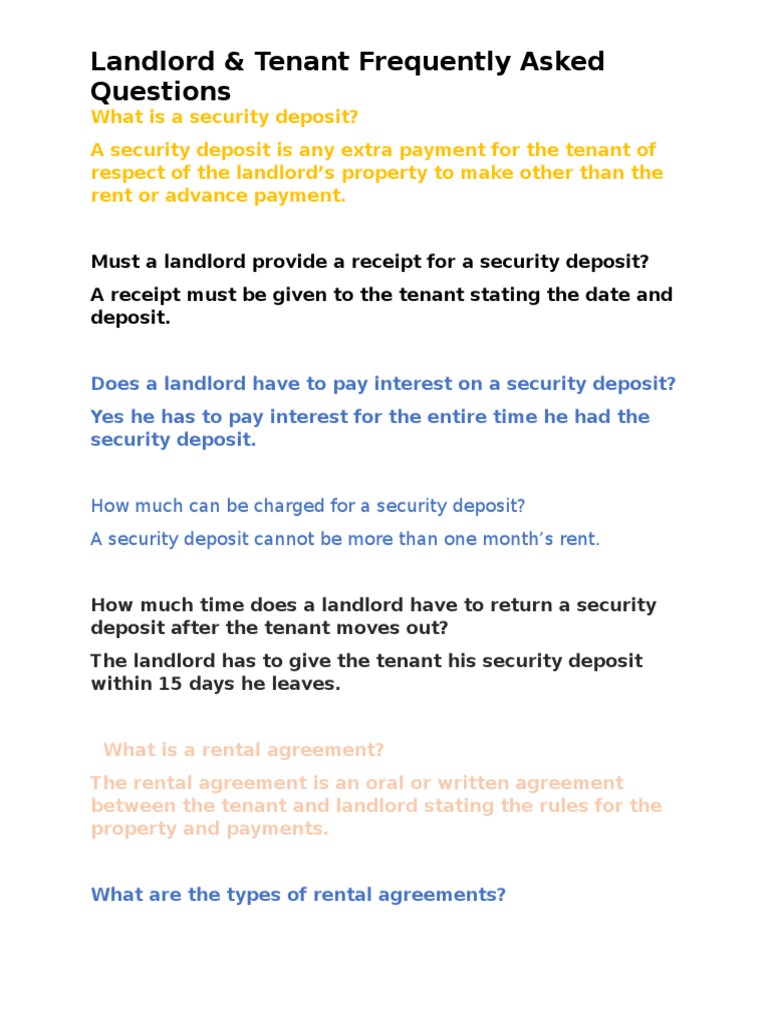
Many states impose limits on the maximum amount a landlord can charge for a security deposit. For instance, some states cap it at one or two months’ rent. These limits prevent landlords from demanding excessively large sums. Tenants should always verify these limits in their jurisdiction. This ensures they are not overcharged.
Requirements for Holding and Storing the Deposit
Landlords often have specific requirements for holding security deposits. Some states mandate that deposits be kept in a separate, interest-bearing escrow account. This prevents landlords from commingling funds. Furthermore, tenants may be entitled to the interest earned on their deposit. These rules ensure the money is secure and traceable. For more detailed information on state-specific regulations, you can consult resources like Nolo’s tenant rights articles .
Mandatory Disclosures and Written Agreement Provisions
Landlords must provide certain disclosures regarding the security deposit. They often need to inform tenants of the bank holding the deposit. The lease agreement should clearly outline all terms related to the security deposit. This includes conditions for its return and potential deductions. A clear, written agreement protects both parties.
When Can a Landlord Keep a Security Deposit? Permitted Deductions
A landlord cannot simply keep a security deposit without valid reason. Specific circumstances allow for deductions. These reasons must typically be outlined in the lease agreement. Furthermore, they must comply with state laws. Understanding these permitted deductions is vital for tenants.
Understanding ‘Normal Wear and Tear’ vs. Tenant Damage
One of the most common points of contention is distinguishing between normal wear and tear and actual tenant damage. Normal wear and tear refers to the natural deterioration of a property over time. This includes faded paint or minor carpet wear. Conversely, tenant damage involves negligence or abuse, such as large holes in walls or broken fixtures. Landlords cannot deduct for normal wear and tear.
Deductions for Unpaid Rent and Lease Violations
A landlord can deduct unpaid rent from a security deposit. This includes rent due at the time of move-out. Additionally, if a tenant breaks the lease early, the landlord might deduct for lost rent. Other lease violations, such as unauthorized pets causing damage, can also lead to deductions. The lease agreement specifies these terms.
Cleaning Costs and Property Restoration
Landlords may deduct cleaning costs if the tenant leaves the property excessively dirty. However, they cannot charge for basic cleaning if the property was reasonably maintained. The goal is to return the unit in a similar condition to move-in, minus normal wear and tear. Extensive restoration due to tenant neglect is a valid reason for deduction.
Tenant Rights: Getting Your Security Deposit Back from a Landlord
Tenants have specific rights concerning the return of their security deposit. Knowing these rights empowers them to advocate for themselves. Proactive steps can significantly improve the chances of a full refund. Therefore, tenants should familiarize themselves with the proper procedures.
Importance of Move-Out Inspections and Documentation
A thorough move-out inspection is crucial. Tenants should document the property’s condition with photos and videos. This evidence can prove invaluable in case of a dispute. It provides a clear record of the property’s state. Furthermore, it counters any unfounded claims of damage by the landlord.
- Take detailed photos and videos before moving in.
- Conduct a joint walk-through with the landlord upon move-out.
- Document any existing damage or issues in writing.
- Keep copies of all communication and inspection checklists.
Timelines for the Return of a Security Deposit by a Landlord
Each state sets a specific timeline for landlords to return a security deposit. This period typically ranges from 14 to 60 days after the tenant moves out. Landlords must adhere to these deadlines. Failure to do so can result in penalties. Tenants should mark their calendars and follow up if the deadline passes.
Receiving an Itemized Statement of Deductions
If a landlord intends to keep any portion of the security deposit, they must provide an itemized statement. This statement details all deductions. It explains why each deduction was made. Furthermore, it often includes receipts for repairs or cleaning. Tenants have the right to challenge any deductions they believe are unfair or unsubstantiated.
Disputes and Resolution: What to Do If a Landlord Won’t Return a Security Deposit
Sometimes, disagreements arise over a security deposit held by a landlord. If a landlord refuses to return the deposit or makes unfair deductions, tenants have recourse. Several steps can be taken to resolve such disputes. It is important to remain calm and follow legal procedures.
Sending a Formal Demand Letter to the Landlord
The first step in a dispute is often sending a formal demand letter. This letter should clearly state the amount owed and why. It should also reference relevant state laws. Sending it via certified mail provides proof of delivery. This formal communication often prompts landlords to resolve the issue.
Exploring Mediation and Arbitration Options
If a demand letter does not work, mediation or arbitration can be effective. These are alternative dispute resolution methods. A neutral third party helps both sides reach an agreement. Mediation is non-binding, while arbitration can be binding. These options are often less costly and faster than court proceedings.
Pursuing Action in Small Claims Court
As a last resort, tenants can file a lawsuit in small claims court. This court handles disputes involving smaller monetary amounts. Tenants do not typically need an attorney for small claims cases. They present their evidence, including photos, videos, and the demand letter. The court then makes a ruling on the security deposit held by a landlord.
Best Practices for Landlords and Tenants Regarding a Security Deposit Held by a Landlord
Adopting best practices can prevent many security deposit disputes. Clear communication and thorough documentation are key. Both parties benefit from a transparent and legally compliant process. Therefore, proactive measures are always advisable.
Advice for Tenants: Documenting Condition and Understanding Lease Terms
Tenants should always conduct a thorough move-in inspection. Documenting the property’s condition with photos and videos is crucial. Read your lease agreement carefully before signing. Understand all clauses related to the security deposit. Ask questions if anything is unclear. This proactive approach protects your financial interests.
- Inspect the property thoroughly at move-in.
- Take extensive photos and videos as evidence.
- Keep all communication with your landlord in writing.
- Understand your state’s security deposit laws.
Advice for Landlords: Clear Communication and Legal Compliance
Landlords should always communicate clearly with tenants about the security deposit. Provide a detailed lease agreement. Ensure compliance with all state and local laws. This includes proper handling of the deposit and timely returns. A transparent approach builds trust and reduces potential conflicts. Furthermore, maintaining good records is essential.
The Role of a Comprehensive Lease Agreement
A well-drafted lease agreement is the foundation for a smooth tenancy. It should explicitly detail all terms regarding a security deposit held by a landlord. This includes the amount, how it’s held, and conditions for deductions. A comprehensive lease minimizes misunderstandings. It serves as a binding contract for both parties. Therefore, invest time in creating or reviewing this document.
Frequently Asked Questions
Can a landlord use my security deposit for the last month’s rent?
Generally, no. A security deposit is distinct from rent payments. It is intended to cover damages or unpaid rent after you move out. Most lease agreements and state laws prohibit using it for the last month’s rent. Doing so could leave the landlord without recourse for damages.
What happens to my security deposit if the property is sold?
If the property is sold, the new owner typically becomes responsible for your security deposit. The original landlord must transfer the deposit, along with any interest, to the new owner. The new landlord then assumes all obligations regarding its return. You should receive notification of this transfer.
How long does a landlord have to return a security deposit after I move out?
The timeline varies by state, but it typically ranges from 14 to 60 days. For example, some states require return within 21 days, while others allow up to 45 or 60 days. Check your specific state’s landlord-tenant laws for the exact period. The landlord must also provide an itemized list of any deductions within this timeframe.
Conclusion: Navigating the Security Deposit Process with Confidence
Understanding the intricacies of a security deposit held by a landlord is crucial for a positive rental experience. Both tenants and landlords benefit from clear communication and adherence to legal guidelines. By knowing your rights, documenting everything, and being proactive, you can navigate this process smoothly. This knowledge helps avoid disputes and ensures fairness. We encourage you to review your lease and state laws. Feel free to share your experiences or questions in the comments below!