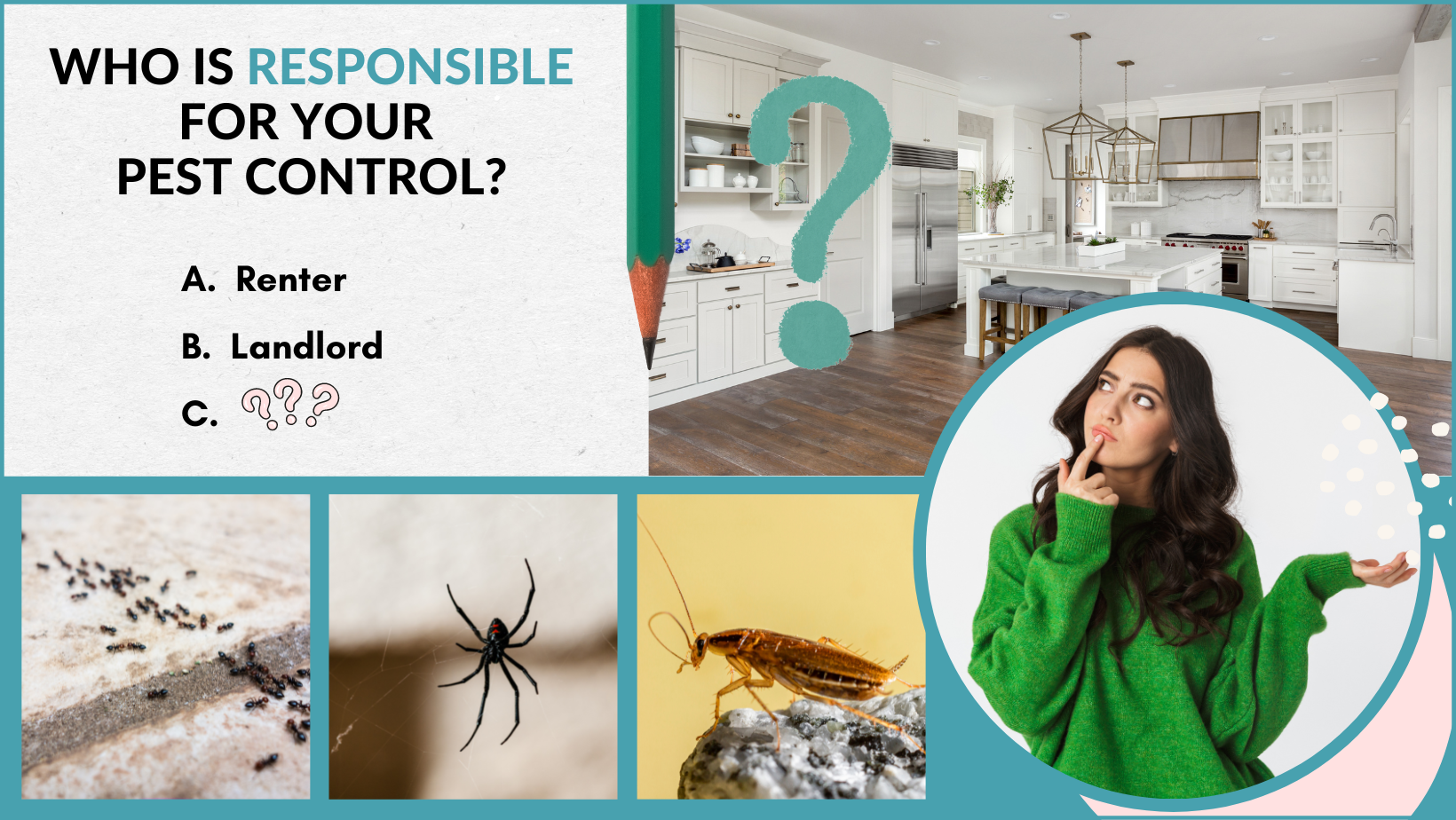
Navigating the complexities of rental agreements can often lead to questions about maintenance and repairs. A common concern for many renters revolves around pest infestations. So, is landlord responsible for pest control? Generally, landlords bear the primary responsibility for addressing pest issues that impact a property’s habitability. This crucial obligation ensures tenants live in a safe and healthy environment.
Understanding When is Landlord Responsible for Pest Control? The Legal Framework
The question of who pays for pest control largely depends on local laws and the specifics of your lease agreement. Most jurisdictions recognize an implied warranty of habitability. This legal principle requires landlords to provide and maintain a safe, clean, and livable dwelling. Pests can certainly compromise this standard.
The Implied Warranty of Habitability
The implied warranty of habitability is a fundamental tenant right. It means your rental unit must be fit for human occupation. Significant pest infestations, such as rodents or cockroaches, often violate this warranty. Therefore, the landlord must take action to eradicate them. This responsibility typically covers issues present before a tenant moves in or those arising from structural problems.
Lease Agreement Clauses and Pest Infestations
While the implied warranty is strong, lease agreements can sometimes specify pest control responsibilities. Tenants should carefully review their lease before signing. Some leases might differentiate between minor nuisances and major infestations. However, a lease cannot override state or local laws regarding habitability. Always check your local tenant rights for specific protections.
Distinguishing Between Pre-existing vs. Tenant-Caused Pests
A key factor in determining responsibility is the origin of the infestation. If pests were present before you moved in, or if they entered due to structural defects, the landlord is usually responsible. Conversely, if pests appear due to a tenant’s actions, such as poor hygiene or attracting pests, the responsibility might shift. This distinction is often challenging to prove, however.
Tenant Responsibilities: When Pest Control Falls on You
While landlords have significant obligations, tenants also play a role in pest prevention. Certain situations can shift the burden of pest control costs to the renter. Understanding these scenarios is vital for all parties involved. This helps maintain a clear understanding of expectations.
Negligence and Unsanitary Living Conditions
Tenants are generally expected to maintain a clean and sanitary living space. If a pest problem arises directly from a tenant’s negligence, such as excessive clutter, unsealed food, or poor waste disposal, they may be responsible. Landlords can argue that the tenant’s actions attracted the pests. Therefore, prompt and proper cleaning is always advised.
Pests Introduced by the Tenant or Guests
Sometimes, pests are inadvertently brought into the unit by the tenant or their guests. Bed bugs, for example, can hitchhike on luggage or furniture. If it can be proven that the tenant introduced these pests, they might be held accountable for treatment costs. This situation often leads to disputes, requiring clear communication and evidence.
Minor Pest Issues vs. Major Infestations
Minor pest issues like a few ants or occasional spiders might fall under tenant responsibility for routine management. However, a widespread infestation of roaches, rodents, or bed bugs typically constitutes a major issue. These significant problems generally require professional intervention. Such extensive treatments usually fall under the landlord’s purview.
State and Local Laws on Landlord Pest Control Obligations
The specifics of landlord pest control responsibilities vary significantly by location. It is crucial to understand the laws in your particular state and city. These regulations often provide more detailed guidance than general principles. Therefore, always research local ordinances.
Overview of State-Specific Regulations (e.g., California, New York)
Many states have explicit laws regarding pest control in rental properties. For instance, in California, landlords must maintain the property in a habitable condition, which includes freedom from rodents and vermin. New York City’s Housing Maintenance Code specifically requires landlords to eradicate pests like roaches, rodents, and bed bugs. These state laws often provide strong tenant protections.
Local Ordinances and Health Department Codes
Beyond state laws, local city and county ordinances often add further detail. Health departments can also issue codes related to sanitation and pest control. These local rules might set specific timeframes for landlords to address infestations. Tenants should contact their local housing authority for precise information. This ensures compliance and swift action.
Special Considerations for Multi-Unit Buildings
In multi-unit buildings, pest control responsibilities can be more complex. An infestation in one unit can quickly spread to others. Therefore, landlords in these settings often have a heightened responsibility to implement comprehensive pest management plans. This proactive approach protects all residents. It also prevents larger, more costly outbreaks.
Common Pest Scenarios: Who Pays for What?
Understanding specific pest types can further clarify responsibilities. Different pests present unique challenges and origins. Therefore, the approach to determining who is landlord responsible for pest control can vary. Here are some common scenarios to consider.
Rodents (Mice, Rats) and Structural Issues
Rodent infestations are almost always the landlord’s responsibility. Mice and rats often enter through structural defects like cracks in foundations or gaps around pipes. Addressing these entry points is a landlord’s duty. Furthermore, these pests pose significant health risks. Therefore, prompt professional extermination is essential for habitability.
Cockroaches and Ants: Prevention and Treatment
Cockroaches and ants can be tricky. If they appear due to structural issues or a widespread building problem, the landlord is usually responsible. However, if a tenant’s unsanitary habits attract them, the tenant might share responsibility. Regular cleaning and proper food storage by tenants are crucial for prevention. Still, a severe infestation often requires landlord intervention.
Bed Bugs and Fleas: Tricky Situations
Bed bugs are particularly contentious. They are difficult to eradicate and can spread easily. Many states place the responsibility on the landlord, especially in multi-unit dwellings, unless tenant negligence is proven. Fleas, often introduced by pets, typically become the pet owner’s responsibility. However, if a previous tenant left fleas, the landlord might be liable. This highlights why evidence is so important.
- Rodents: Usually landlord’s responsibility due to structural entry.
- Cockroaches: Landlord if widespread or structural; tenant if due to poor hygiene.
- Bed Bugs: Often landlord’s responsibility, especially in apartments, unless tenant-caused.
- Fleas: Tenant’s responsibility if introduced by their pet; landlord if pre-existing.
What to Do if You Discover Pests: A Tenant’s Action Plan
Discovering pests in your rental unit can be distressing. Knowing the correct steps to take is crucial for a swift resolution. Tenants have specific actions they should follow to ensure their rights are protected. This proactive approach helps resolve the issue efficiently.
Documenting the Infestation: Photos and Dates
The first step is to thoroughly document the pest problem. Take clear photos or videos of the pests, their droppings, and any damage. Note the date and time of discovery. Keep a detailed log of when and where you see them. This evidence is vital if a dispute arises. It provides concrete proof of the issue.
Notifying Your Landlord Formally and in Writing
Next, notify your landlord immediately and in writing. A written notice creates a clear record of communication. Send an email or certified letter detailing the problem, including your documentation. Keep a copy for your records. This formal notification starts the clock on the landlord’s responsibility to act. Be sure to mention that you need to know is landlord responsible for pest control in this situation.
Escalating the Issue: Legal Recourse and Health Departments
If your landlord fails to respond or resolve the issue promptly, you may need to escalate. Research your local tenant rights and consider contacting a housing authority or tenant’s rights organization. In severe cases, you might have legal recourse, such as withholding rent (in an escrow account, if allowed by law) or breaking the lease. Always seek legal advice before taking such steps. You can also contact your local health department, which can often compel landlords to act.
- Document the infestation with photos and dates.
- Notify your landlord in writing, keeping a copy.
- Follow up regularly, documenting all communications.
- If no action, consult tenant’s rights organizations or legal counsel.
- Consider contacting the local health department for assistance.
Frequently Asked Questions About Landlord Pest Control
Can a landlord charge a tenant for pest control?
A landlord can generally charge a tenant for pest control if the infestation is clearly caused by the tenant’s negligence or actions. This includes poor sanitation, attracting pests, or introducing them. However, if the pests are due to structural issues or were present before move-in, the landlord typically cannot charge the tenant. The burden of proof often lies with the landlord.
What if my landlord refuses to address a pest problem?
If your landlord refuses to address a pest problem that falls under their responsibility, you have several options. First, send a formal written notice, reminding them of their obligations. If they still fail to act, you can contact your local housing authority or health department. Depending on your state’s laws, you might also have the right to “repair and deduct” or even break the lease. Always consult legal counsel before taking drastic measures to ensure you understand your rights and the legal process.
Does pest control fall under normal wear and tear?
No, pest control generally does not fall under normal wear and tear. Normal wear and tear refers to the deterioration that occurs with the regular use of a property over time, such as faded paint or worn carpet. Pest infestations are typically considered a habitability issue or a maintenance problem that requires active intervention. Therefore, the question of is landlord responsible for pest control usually arises outside the scope of normal wear and tear.
Conclusion: Navigating Your Rights and Responsibilities for Pest Control
Understanding whether is landlord responsible for pest control is crucial for both tenants and property owners. While landlords typically bear the primary responsibility for maintaining a habitable, pest-free environment, tenants also have duties regarding cleanliness and preventing infestations. Knowing your rights and obligations under state and local laws empowers you to act effectively. Always document issues, communicate formally, and seek appropriate guidance if problems persist. By working together, landlords and tenants can ensure a healthy and safe living space for everyone. For more detailed information, consider visiting NOLO’s resources on tenant rights: Nolo.com Tenant Rights.