Experiencing issues with your landlord can be incredibly frustrating. Many tenants often wonder, “where can I file a complaint against my landlord?” Fortunately, there are several avenues available to address grievances, ranging from local government agencies to state and even federal protections. Understanding your rights and the proper channels for filing a complaint is the first crucial step towards resolving your tenancy disputes effectively.
Understanding Your Rights: What Constitutes a Valid Complaint Against a Landlord?
Before you decide where can I file a complaint against my landlord, it’s essential to understand what constitutes a legitimate grievance. Not every disagreement warrants a formal complaint. Valid complaints typically involve violations of your lease agreement or tenant rights as defined by local and state laws. Documenting these issues thoroughly is always recommended.
Common Landlord Violations and Tenant Rights
Landlords have specific obligations, and their failure to meet these can be grounds for a complaint. Common violations include neglecting necessary repairs, failing to provide a safe living environment, or illegally entering your unit. Additionally, issues like withholding security deposits improperly or refusing to address pest infestations are serious matters. Knowing your rights empowers you to take appropriate action.
- Failure to maintain safe and habitable living conditions.
- Illegal eviction attempts or lockouts.
- Refusal to make necessary repairs in a timely manner.
- Improper handling or return of security deposits.
- Discrimination based on protected characteristics.
The Importance of Your Lease Agreement
Your lease agreement is a legally binding contract outlining the responsibilities of both you and your landlord. It forms the foundation for many potential complaints. Therefore, always review your lease carefully to confirm any alleged violations. Many tenant rights are explicitly stated or implied within this document, providing a clear reference point.
Essential Documentation for Your Complaint
Successful complaints rely heavily on strong evidence. Before you consider where can I file a complaint against my landlord, gather all relevant documentation. This includes copies of your lease, communication records, photos or videos of issues, and repair requests. A well-organized collection of evidence strengthens your case significantly.
- Copies of your signed lease agreement.
- Dated photos or videos of property damage or issues.
- Written communication (emails, letters) with your landlord.
- Receipts for any repairs you had to make yourself.
Local Resources: Where Can I File a Complaint Against My Landlord Locally?
Often, the most effective place to start when asking where can I file a complaint against my landlord is at the local level. City and county agencies are typically well-versed in local housing ordinances and can provide direct assistance. These resources are designed to help tenants navigate disputes and enforce local regulations.
City Housing Authorities and Departments
Many cities have dedicated housing authorities or departments that handle tenant complaints. These offices can investigate issues like unsafe living conditions, code violations, or landlord harassment. They often have the power to issue citations or mandate repairs. Contacting your local housing authority is a great first step.
Local Tenant Rights Organizations and Advocacy Groups
Non-profit tenant rights organizations exist in many communities to support renters. These groups offer free or low-cost legal advice, mediation services, and guidance on how to file a complaint against your landlord. They can be invaluable resources, providing advocacy and helping you understand local specific laws. For example, organizations like tenant unions often provide community support.
Code Enforcement Offices and Health Departments
If your complaint involves issues like structural problems, pest infestations, or lack of heat/hot water, your local code enforcement or health department can intervene. These agencies ensure properties meet safety and health standards. They can inspect your unit and compel your landlord to make necessary repairs. This is a critical option for habitability concerns.
State-Level Agencies: Reporting Landlord Violations to State Authorities
When local avenues prove insufficient, or if your complaint falls under broader legal frameworks, state-level agencies offer additional recourse. These bodies oversee statewide housing laws and consumer protection. They can provide guidance and enforcement mechanisms when you need to know where can I file a complaint against my landlord beyond municipal boundaries.
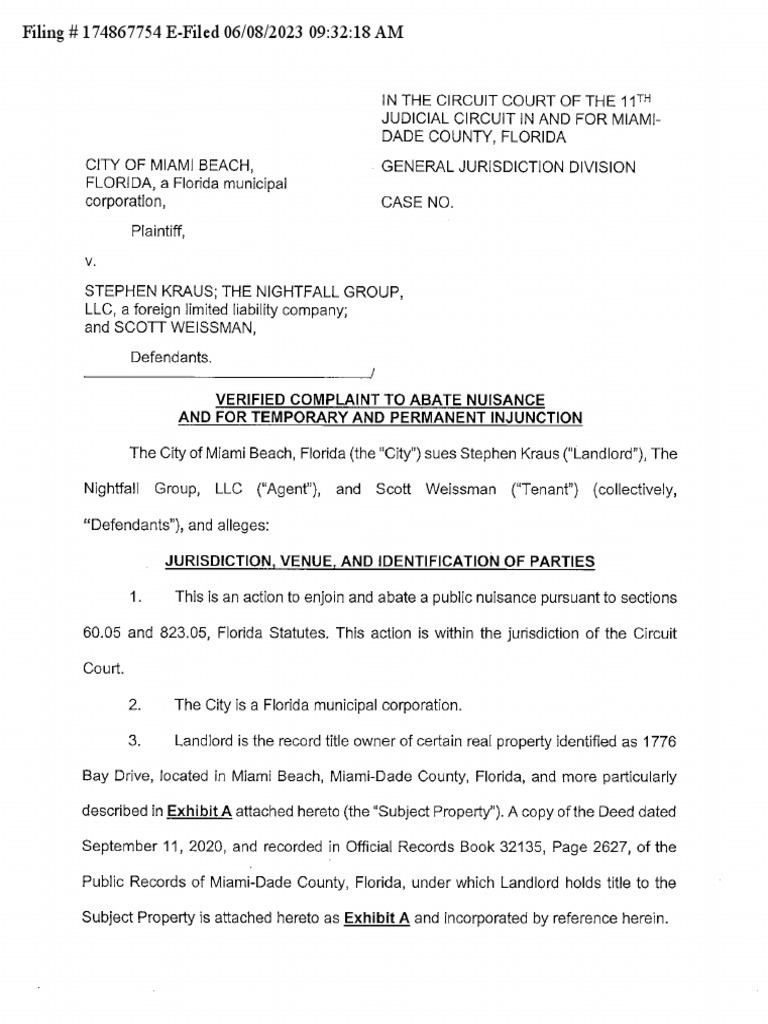
State Attorney General’s Office
The State Attorney General’s office often handles consumer protection issues, which can include landlord-tenant disputes. They may investigate patterns of landlord misconduct or cases involving fraud. While they might not handle individual disputes, they can offer valuable resources and direct you to appropriate state departments. Furthermore, they can take action against landlords engaging in unfair business practices.
State Departments of Housing and Community Development
Many states have departments dedicated to housing and community development. These agencies can provide information on state landlord-tenant laws and sometimes mediate disputes. They might also oversee fair housing compliance and provide resources for tenants facing discrimination. Checking your state’s official website is a good starting point for finding these departments.
State Bar Associations for Legal Referrals
If your situation requires legal counsel, your state bar association can offer referrals to landlord-tenant attorneys. These legal professionals specialize in housing law and can represent you in court if necessary. They can advise you on the best course of action and where can I file a complaint against my landlord effectively. Legal aid societies also provide similar services for low-income tenants.
Federal Protections: Filing a Complaint for Discrimination or Fair Housing Violations
In specific situations, particularly those involving discrimination, federal agencies provide crucial protections. These federal laws ensure equal housing opportunities for everyone. Therefore, understanding these protections is vital, especially when you need to know where can I file a complaint against my landlord due to discriminatory practices.
U.S. Department of Housing and Urban Development (HUD)
The U.S. Department of Housing and Urban Development (HUD) enforces the Fair Housing Act. If you believe your landlord has discriminated against you based on race, color, religion, sex, national origin, familial status, or disability, you can file a complaint with HUD. They investigate claims and work to ensure fair housing practices nationwide. Visit their official website for more information: HUD.gov.
Understanding Fair Housing Laws and Protected Classes
Fair Housing Laws prohibit discrimination in housing-related transactions. This includes renting, selling, or financing a home. Landlords cannot refuse to rent to you, charge different rents, or set different terms based on your protected characteristics. Understanding these laws is crucial when considering where can I file a complaint against my landlord for discriminatory reasons.
Reporting Discrimination Based on Protected Characteristics
If you face discrimination, documenting the incidents thoroughly is paramount. Gather evidence such as discriminatory statements, unequal treatment, or suspicious denials. Then, promptly file a complaint with HUD or a local fair housing organization. These actions help enforce fair housing principles and protect future tenants.
Legal Avenues: When to Consider Suing Your Landlord
Sometimes, formal complaints to agencies may not fully resolve your issue, or the damages incurred are substantial. In such cases, legal action might be necessary. Knowing when and how to pursue legal avenues is a critical part of understanding where can I file a complaint against my landlord for serious grievances.
Navigating Small Claims Court for Landlord Disputes
Small claims court is an option for tenants seeking monetary damages below a certain threshold, which varies by state. It’s often a more accessible and less formal court process, suitable for disputes like withheld security deposits or minor property damage. You typically represent yourself, making it a cost-effective solution for specific issues. This is a common path when deciding where can I file a complaint against my landlord for financial recovery.
Hiring a Landlord-Tenant Attorney
For complex cases, such as wrongful eviction, significant habitability issues, or large damage claims, hiring a landlord-tenant attorney is advisable. An attorney can provide expert legal advice, represent you in court, and negotiate on your behalf. They understand the intricacies of housing law and can significantly improve your chances of a favorable outcome. This is especially true if you are unsure where can I file a complaint against my landlord with legal weight.
Understanding Eviction Defenses and Counterclaims
If your landlord attempts to evict you, you might have defenses or be able to file a counterclaim. This could involve issues like retaliation for a previous complaint or the landlord’s failure to maintain the property. A legal professional can help you understand your rights and build a strong defense. Knowing these options is vital when facing an eviction notice.
Preparing Your Complaint: Essential Steps Before You File
Regardless of where you decide to file a complaint against your landlord, proper preparation is key. A well-documented and clearly articulated complaint has a much higher chance of success. Taking these preparatory steps will streamline the process and strengthen your position significantly.
Gathering and Organizing Evidence
As mentioned, comprehensive evidence is your strongest asset. Organize all your documentation chronologically and clearly label each item. This includes photos, videos, written correspondence, and any other relevant records. A clear, organized file makes it easier for agencies or courts to review your case.
Sending Formal Written Notice to Your Landlord
Before filing a formal complaint with an external agency, always send a formal written notice to your landlord. This letter should clearly state the issue, reference your lease or relevant laws, and specify a reasonable deadline for resolution. Sending it via certified mail provides proof of delivery. This step often resolves issues without further action.
Understanding Statutes of Limitations and Deadlines
Many complaints have specific statutes of limitations, meaning there’s a deadline by which you must file your complaint. These deadlines vary by state and the nature of the complaint. Research these timeframes carefully to ensure you don’t miss your opportunity to seek recourse. Acting promptly is always beneficial.
Alternative Solutions: Resolving Disputes Without Formal Complaints
Formal complaints can be time-consuming and stressful. Sometimes, alternative dispute resolution methods can achieve a satisfactory outcome more quickly and amicably. Exploring these options before deciding where can I file a complaint against my landlord might save you considerable effort and stress.
Mediation Services for Landlord-Tenant Conflicts
Mediation involves a neutral third party helping you and your landlord communicate and find a mutually agreeable solution. It’s a less adversarial approach than formal complaints or lawsuits. Many cities and counties offer free or low-cost mediation services. This can be an excellent way to preserve the landlord-tenant relationship if possible.
Joining or Forming a Tenant Union
Tenant unions are groups of renters who collectively advocate for their rights. By joining a union, you gain strength in numbers and access to shared knowledge and resources. They can collectively negotiate with landlords or advocate for policy changes. This collective action can be very powerful in addressing systemic issues.
Negotiating Directly with Your Landlord
Sometimes, a direct, calm, and well-documented negotiation can resolve issues without external intervention. Present your evidence, clearly state your concerns, and propose a reasonable solution. This direct approach can be surprisingly effective, especially if your landlord is unaware of the full extent of the problem. Always keep records of these discussions.
Frequently Asked Questions
Can I file an anonymous complaint against my landlord?
It depends on the agency. Some municipal code enforcement offices or health departments may accept anonymous tips regarding severe violations like unsafe living conditions. However, for most formal complaints, especially those involving your specific tenancy rights or financial claims, you will need to provide your identity. Anonymous complaints often have less weight and follow-up.
What happens after I file a complaint against my landlord?
After you file a complaint, the agency typically reviews your submission and evidence. They may contact your landlord, conduct an investigation, or mediate a resolution. The process varies significantly depending on the agency and the nature of your complaint. You will usually be kept informed of the progress.
How long does it take to resolve a landlord complaint?
The resolution time for a landlord complaint can vary widely. Simple issues might be resolved within weeks, while complex cases involving investigations or legal action could take several months or even longer. Factors include the agency’s caseload, the landlord’s responsiveness, and the complexity of the dispute. Patience is often required.
Can my landlord retaliate against me for filing a complaint?
No, retaliation by a landlord is illegal in most jurisdictions. This includes raising rent, decreasing services, or attempting to evict you simply because you filed a legitimate complaint. If you experience retaliation, you can file another complaint with the appropriate housing authority or seek legal counsel. Document any instances of suspected retaliation carefully.
What if my landlord doesn’t respond to my complaint?
If your landlord does not respond to your initial written notice, you should proceed with filing a formal complaint with the relevant local or state agency. Their lack of response can actually strengthen your case, demonstrating their unwillingness to resolve the issue directly. Keep records of all attempts to contact them.
Conclusion: Taking Action Against Your Landlord for a Fair Living Environment
Navigating landlord-tenant disputes can be challenging, but understanding where can I file a complaint against my landlord empowers you to protect your rights. From local housing authorities and state agencies to federal fair housing protections and legal avenues, numerous resources exist to help. Always remember to document everything, communicate formally, and seek advice when needed. Taking proactive steps ensures you maintain a safe and fair living environment. Don’t hesitate to utilize these resources to assert your tenant rights effectively.