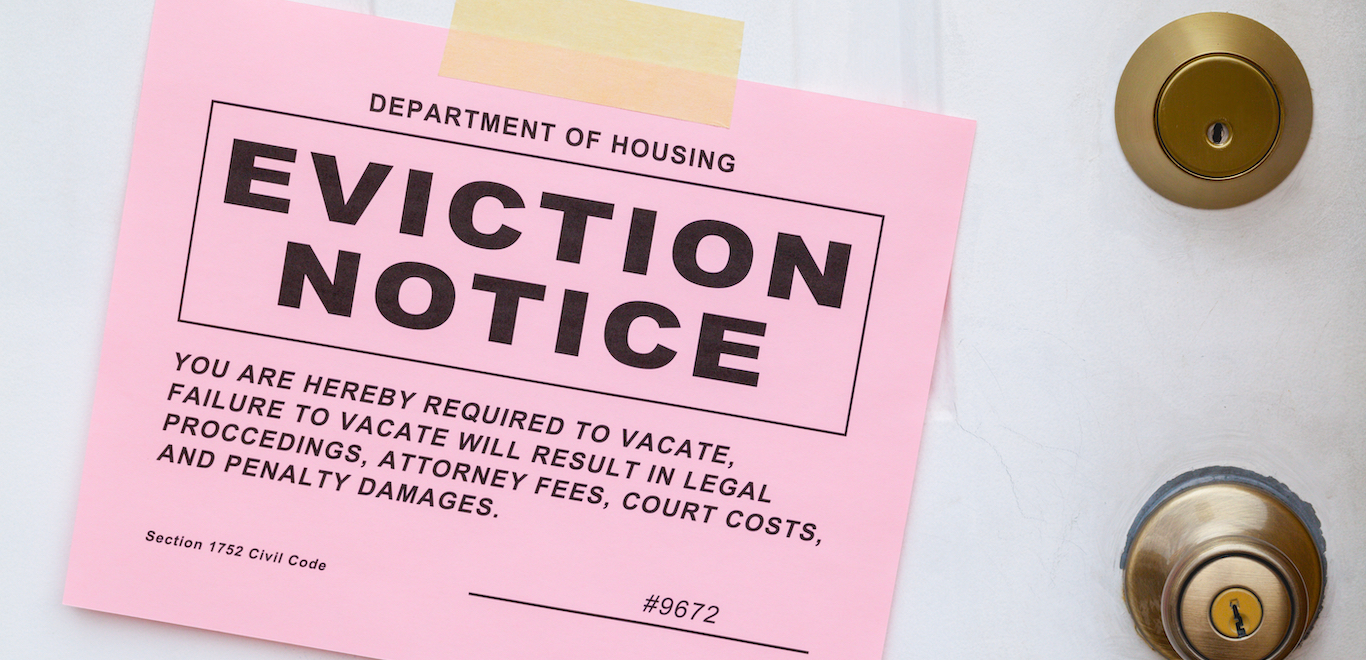
Navigating the complexities of rental agreements can be daunting for any tenant. Many renters often wonder, “can landlord kick you out?” The short answer is yes, but only under very specific legal circumstances. Landlords cannot simply remove you from your home on a whim. Instead, they must follow strict legal procedures and have valid grounds for eviction. Understanding your rights and the legal framework is crucial for protecting your tenancy.
Understanding When a Landlord Can Kick You Out
The question of “can landlord kick you out” is central to tenant protection laws. Generally, a landlord needs a legitimate reason to evict a tenant. These reasons are typically outlined in your lease agreement and local housing laws. Without a valid cause, any attempt to remove a tenant is considered an illegal eviction.
Legal Grounds for Eviction
Landlords must adhere to specific legal grounds for initiating an eviction. These grounds are established to protect tenants from arbitrary removal. Understanding these permissible reasons is the first step in knowing your rights. However, the exact rules can vary by state and municipality.
- Non-payment of Rent: This is the most common reason for eviction. If you fail to pay rent on time, your landlord can begin the eviction process.
- Lease Violations: Breaking terms of your lease, such as having unauthorized pets or subletting, can also lead to eviction.
- End of Lease Term: In some cases, a landlord may choose not to renew a lease. This is not an eviction but a non-renewal.
- Property Damage: Significant damage to the property beyond normal wear and tear can be grounds for eviction.
Legal Grounds: When Can a Landlord Legally Kick You Out?
For a landlord to legally initiate an eviction, they must demonstrate a clear violation of the lease agreement or housing laws. This process is highly regulated to prevent unfair practices. Therefore, knowing these specific legal grounds is vital for every tenant. It empowers you to challenge unlawful eviction attempts effectively.
Non-Payment of Rent: A Primary Reason for Eviction
Failure to pay rent is a serious breach of any rental agreement. It is almost universally recognized as a valid reason for a landlord to kick you out. However, landlords must still provide proper notice before proceeding with an eviction lawsuit. This notice period allows tenants an opportunity to pay overdue rent.
Lease Violations: Breaking the Rules of Your Agreement
Your lease agreement is a legally binding contract. Violating its terms can give your landlord grounds to terminate your tenancy. Common violations include unauthorized occupants, excessive noise, or illegal activities on the property. Always review your lease carefully to understand all its stipulations.
End of Lease Term: Non-Renewal Situations
When a fixed-term lease expires, a landlord can choose not to renew it. This does not mean they can landlord kick you out without notice. They must provide proper notice, usually 30 or 60 days, depending on local laws. This differs from an eviction, as no fault is typically attributed to the tenant.
The Eviction Process: How Landlords Must Legally Kick You Out
The process by which a landlord can kick you out is strictly defined by law. Landlords cannot use self-help methods like changing locks or shutting off utilities. They must follow a formal legal procedure, often involving court intervention. This ensures due process and protects tenant rights.
Notice to Quit: The Initial Step Landlords Must Take
Before filing an eviction lawsuit, a landlord must serve the tenant with a formal “Notice to Quit” or “Notice to Pay Rent or Quit.” This document informs the tenant of the violation and provides a deadline to remedy it or vacate. The specific notice period varies by state and the reason for eviction.
Filing an Eviction Lawsuit: Court Proceedings Explained
If the tenant does not comply with the notice, the landlord can then file an eviction lawsuit (also known as an Unlawful Detainer action) in court. Both the landlord and tenant will have an opportunity to present their case before a judge. This is a critical stage where legal representation can be highly beneficial.
Writ of Possession: Finalizing the Legal Eviction
Should the court rule in favor of the landlord, a “Writ of Possession” will be issued. This legal document authorizes law enforcement, typically the sheriff, to physically remove the tenant and their belongings from the property. This is the final step in a legal eviction process. Only law enforcement can enforce this order.
Illegal Evictions: When Your Landlord Cannot Kick You Out
It is crucial to understand that landlords cannot simply decide to kick you out without following legal procedures. Many actions taken by landlords to force a tenant out are illegal. These unlawful practices are often referred to as “self-help evictions” and carry severe penalties for landlords. Knowing these illegal actions is vital for your protection.
Self-Help Evictions: Prohibited Actions by Landlords
Self-help evictions are illegal attempts by landlords to remove tenants without a court order. These actions include changing locks, removing doors, shutting off utilities, or threatening tenants. Such actions are strictly prohibited in nearly all jurisdictions. Tenants facing these situations should seek immediate legal advice.
Retaliatory Evictions: Unlawful Practices After Tenant Complaints
A landlord cannot legally kick you out in retaliation for you exercising your tenant rights. This includes complaining about unsafe living conditions, requesting repairs, or joining a tenant’s union. Many states have laws protecting tenants from retaliatory evictions. Documenting all communications is essential in these cases.
Discriminatory Evictions: Protecting Against Unfair Treatment
Federal and state fair housing laws prohibit landlords from evicting tenants based on protected characteristics. These include race, religion, national origin, sex, familial status, or disability. If you believe you are being evicted due to discrimination, contact a fair housing agency or legal aid immediately. You can find more information on tenant rights and discrimination at the U.S. Department of Housing and Urban Development website. HUD.gov
Tenant Rights: What to Do If Your Landlord Tries to Kick You Out
If your landlord attempts to kick you out, understanding your rights is your strongest defense. Do not panic, but act swiftly and strategically. There are several steps you can take to protect yourself and your tenancy. These actions can help you navigate the situation effectively and legally.
Know Your Lease & Local Laws: Your First Line of Defense
- Review Your Lease: Understand the terms and conditions you agreed to. Look for clauses related to eviction, notice periods, and dispute resolution.
- Research Local & State Laws: Familiarize yourself with tenant-landlord laws in your area. Websites for your state’s attorney general or local housing authority are good resources.
- Understand Notice Requirements: Confirm if the landlord has provided proper legal notice for any alleged violation.
Knowing your lease and local tenant laws is paramount. These documents outline the rights and responsibilities of both parties. Therefore, always keep a copy of your lease readily accessible. Local housing laws often provide additional protections beyond your lease agreement.
Document Everything: Communication & Evidence is Key
Maintain detailed records of all interactions with your landlord. This includes dates, times, and summaries of conversations, especially those concerning repairs or complaints. Keep copies of all written correspondence, such as emails, letters, and notices. Photographs or videos of property conditions can also serve as crucial evidence.
Seek Legal Aid: Attorneys & Tenant Resources for Support
If you face an eviction threat, consult with a legal professional specializing in landlord-tenant law. Many areas offer free or low-cost legal aid services for tenants. Tenant advocacy groups can also provide valuable guidance and support. Do not hesitate to seek help, as early intervention can often prevent a full eviction.
Frequently Asked Questions
Can my landlord kick me out without notice?
No, generally a landlord cannot kick you out without proper legal notice. The type and length of notice depend on the reason for eviction and local laws. For instance, non-payment of rent usually requires a “Pay or Quit” notice, giving you a few days to remedy the situation. Without proper notice, any eviction attempt is likely illegal.
Can my landlord kick me out for no reason?
In most jurisdictions, a landlord cannot kick you out for “no reason” if you have a valid lease. If you have a fixed-term lease, they need a specific, legally recognized reason (like lease violation or non-payment). For month-to-month tenancies, they can choose not to renew, but they still must provide adequate notice, often 30 or 60 days, depending on local laws.
What if my landlord tries to lock me out or shut off utilities?
These actions are illegal self-help evictions in almost all places. Your landlord cannot change your locks, remove your belongings, or shut off your utilities to force you out. If this happens, contact your local housing authority, legal aid, or police immediately. You may have grounds to sue your landlord for damages.
Can a landlord kick you out if the house is being sold?
It depends on your lease agreement and local laws. If you have a fixed-term lease, the new owner typically must honor it until its expiration. However, if your lease includes a clause allowing termination upon sale, or if you are on a month-to-month agreement, the new owner or landlord can issue a non-renewal notice, usually with a 30-60 day timeframe. They still cannot simply kick you out without following proper legal procedures.
Conclusion: Protecting Your Home When Your Landlord Wants to Kick You Out
Understanding your rights is paramount when facing the possibility of a landlord wanting to kick you out. Remember, landlords must follow specific legal procedures and have valid grounds for eviction. Self-help evictions, retaliatory actions, and discrimination are illegal and punishable by law. Always document everything, know your lease, and seek legal assistance when necessary. Protecting your home and ensuring fair treatment starts with being informed and proactive. If you are concerned about your tenancy, consult with a legal expert today to understand your options and secure your housing situation.