When facing difficult situations with a landlord, many tenants wonder, “how much can you sue a landlord for harassment?” The potential compensation for landlord harassment varies significantly based on numerous factors, including the severity of the harassment, the damages incurred, and applicable state laws. Understanding your rights and the legal avenues available is crucial for seeking justice and appropriate financial recovery. This guide will explore the types of damages you might claim and the process involved in such a lawsuit.
Understanding Landlord Harassment & Your Rights
Landlord harassment involves actions taken by a landlord to disturb a tenant’s peaceful enjoyment of their rental property. These actions are often designed to force a tenant out, violate their privacy, or create an unsafe living environment. Tenants possess fundamental rights, including the right to quiet enjoyment and a habitable living space, which landlords must respect.
Recognizing what constitutes harassment is the first step toward protecting yourself. Many tenants feel intimidated, however, knowing your legal standing empowers you to act. State and local laws provide specific protections against various forms of landlord misconduct. Therefore, understanding these protections is paramount for any tenant experiencing issues.
Defining Landlord Harassment: What Constitutes a Valid Claim?
Not every disagreement with a landlord qualifies as harassment. Legitimate landlord actions, such as proper notice for entry or lawful rent increases, are not harassment. However, actions intended to annoy, intimidate, or coerce a tenant can form the basis of a claim. It is important to distinguish between these two types of interactions.
Legal Definitions and Examples of Harassment
Landlord harassment encompasses a range of behaviors that interfere with a tenant’s right to quiet enjoyment or safety. These actions are often deliberate and repeated, creating a hostile environment. Examples include:
- Illegal Entry: Entering your unit without proper notice or permission.
- Utility Shut-offs: Deliberately cutting off essential services like water or electricity.
- Verbal Abuse: Threatening, insulting, or using derogatory language.
- Discrimination: Harassment based on protected characteristics like race, religion, or gender.
- Failure to Repair: Intentionally neglecting necessary repairs to make the unit uninhabitable.
- Retaliation: Punishing a tenant for exercising their legal rights, such as reporting code violations.
These examples highlight the malicious intent often present in harassment cases. Documenting such incidents thoroughly is vital for building a strong case. Furthermore, some states have specific statutes defining these prohibited actions.
Distinguishing Harassment from Legitimate Landlord Actions
It is important to differentiate between genuine harassment and a landlord’s lawful exercise of their duties. For instance, a landlord can enter a property for repairs or inspections, but they must provide adequate notice as required by law. Similarly, rent increases are permissible if they comply with lease terms and local regulations.
A landlord’s communication, even if firm, is not harassment unless it becomes threatening or excessive. Understanding your lease agreement and local tenant-landlord laws helps clarify these boundaries. If you are unsure, consulting with a legal professional can provide much-needed clarity on your specific situation.
Tenant Rights Against Harassment
Tenants are protected by various laws designed to ensure fair treatment and a safe living environment. The right to “quiet enjoyment” is a fundamental principle, meaning you have the right to live in your rental property without significant interference from the landlord. Additionally, fair housing laws protect tenants from discrimination and harassment based on protected classes.
Many states also have specific statutes that prohibit retaliatory actions by landlords. These laws prevent landlords from punishing tenants for asserting their legal rights. Knowing these rights forms the foundation of any potential claim against a harassing landlord.
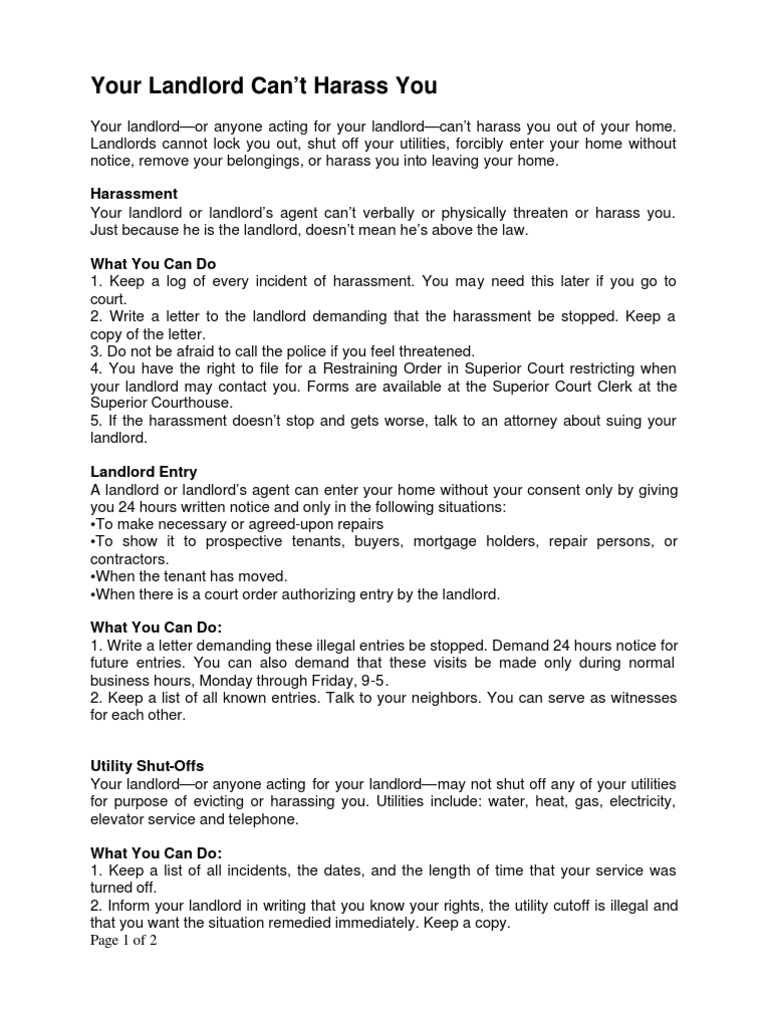
Types of Damages: How Much Can You Sue a Landlord For Harassment?
When considering how much can you sue a landlord for harassment, it is essential to understand the different categories of damages you might claim. Compensation aims to put the tenant back in the position they would have been in had the harassment not occurred. This includes financial losses and emotional distress.
Actual Damages: Economic Losses Explained
Actual damages, also known as compensatory damages, cover the direct financial losses you suffered due to the landlord’s harassment. These are quantifiable expenses and can often be proven with receipts or financial records. Common examples include:
- Increased Rent: If you had to move to a more expensive unit.
- Temporary Housing Costs: Expenses for hotels or alternative housing.
- Medical Bills: Costs for therapy or medical treatment related to stress or injury.
- Lost Wages: Income lost if harassment prevented you from working.
- Property Damage: Costs to repair or replace damaged personal belongings.
- Moving Expenses: Fees associated with relocating due to the harassment.
Documenting every expense meticulously is crucial for recovering these damages. Keep all receipts, invoices, and bank statements related to your losses. This evidence directly supports your claim for financial compensation.
Non-Economic Damages: Pain, Suffering, and Emotional Distress
Beyond financial losses, harassment can cause significant emotional and psychological harm. Non-economic damages compensate for these intangible losses. These are harder to quantify but are often a significant component of how much can you sue a landlord for harassment.
This category includes compensation for mental anguish, anxiety, humiliation, and loss of enjoyment of life. Testimony from therapists, doctors, and even friends or family can help substantiate these claims. Keeping a detailed journal of your emotional state and the impact of the harassment can also be very helpful.
Punitive Damages and Statutory Penalties
In cases where a landlord’s conduct is particularly egregious, malicious, or reckless, courts may award punitive damages. These damages are not meant to compensate the tenant but rather to punish the landlord and deter similar behavior in the future. Punitive damages are typically awarded in addition to actual and non-economic damages.
Furthermore, many states have specific statutes that impose penalties on landlords for harassment. These statutory penalties can be a fixed amount per violation or a multiple of the actual damages. For example, some jurisdictions might allow a tenant to recover three times their actual damages. Consulting local laws or a legal expert is essential to understand these specific provisions. Nolo.com offers valuable insights into tenant rights and landlord harassment.
Factors Influencing Compensation: What Affects Your Settlement?
The final amount you can sue a landlord for harassment is not fixed. Several critical factors influence the potential compensation. Each case is unique, and the specific circumstances will dictate the outcome.
Severity, Duration, and Impact of Harassment
The intensity and length of the harassment play a significant role in determining damages. Isolated incidents may result in lower compensation compared to a prolonged pattern of severe harassment. The impact on your daily life, health, and well-being is also crucial.
Courts consider how the harassment affected your ability to work, sleep, or enjoy your home. More severe and long-lasting harassment typically leads to higher damage awards. Therefore, clearly articulating this impact is vital.
Strength of Evidence and Documentation
Strong, credible evidence is paramount for a successful landlord harassment lawsuit. Without proper documentation, proving your claims becomes incredibly difficult. Keep detailed records of every incident.
This includes dates, times, descriptions of events, and any witnesses. Thorough documentation directly correlates with the strength of your case and, consequently, the potential compensation you could receive. A well-organized collection of evidence makes your claims more believable and defensible.
Applicable State and Local Laws
Tenant-landlord laws vary significantly from state to state and even city to city. Some jurisdictions offer stronger protections and higher statutory damages for harassment. For example, California has robust tenant protection laws, while other states might have less specific provisions.
Understanding the specific laws in your area is crucial for determining the scope of your claim and how much can you sue a landlord for harassment. An attorney specializing in tenant law can provide invaluable guidance on the relevant statutes and precedents in your locality. Always research your local tenant rights.
The Legal Process: Steps to Sue Your Landlord for Harassment
Taking legal action against a harassing landlord involves several structured steps. Following these steps diligently can significantly improve your chances of a favorable outcome. The process can be complex, thus preparation is key.
Documenting Harassment and Gathering Evidence
The foundation of any successful lawsuit is comprehensive documentation. Start collecting evidence as soon as harassment begins. This includes:
- Keep a detailed log: Record dates, times, and descriptions of every incident.
- Save all communications: Preserve emails, texts, and letters from your landlord.
- Take photos and videos: Document property damage or unsafe conditions.
- Gather witness statements: Collect contact information and written accounts from neighbors or visitors.
- Obtain official records: Include police reports, medical records, or repair invoices.
This evidence will be critical in proving your case in court. The more organized and thorough your documentation, the stronger your position will be when you sue your landlord for harassment.
Sending a Demand Letter and Negotiation
Before filing a lawsuit, it is often advisable to send a formal demand letter to your landlord. This letter outlines the harassment, cites relevant laws, details the damages you’ve suffered, and demands specific actions or compensation. A demand letter shows you are serious about pursuing legal action.
Sometimes, a demand letter can lead to negotiation and a settlement outside of court. This can save time and legal fees for both parties. If negotiations fail, however, the letter serves as further documentation of your attempts to resolve the issue amicably.
Filing a Lawsuit and Court Proceedings
If negotiation does not resolve the issue, the next step is to file a lawsuit. Depending on the amount of damages sought, this could be in small claims court or a higher civil court. Small claims court is generally faster and less formal, but it has limits on the amount you can recover.
A civil court lawsuit is more complex and typically requires legal representation. During court proceedings, both sides present their evidence and arguments. A judge or jury will then decide the outcome, including how much can you sue a landlord for harassment in terms of damages. This process can be lengthy, often taking several months or even years.
Frequently Asked Questions
Can I sue my landlord for emotional distress?
Yes, you can often sue your landlord for emotional distress as part of non-economic damages. This requires demonstrating that the landlord’s harassment directly caused you significant mental anguish, anxiety, or other psychological harm. Medical or therapeutic documentation can greatly strengthen such a claim.
What evidence do I need to sue a landlord for harassment?
To sue a landlord for harassment, you need comprehensive evidence. This includes a detailed log of incidents, copies of all communications (emails, texts, letters), photos or videos of problematic conditions, witness statements, and any related official documents like police reports or medical records. The more evidence you have, the stronger your case will be.
How long does it take to sue a landlord for harassment?
The duration of a landlord harassment lawsuit varies widely. Simple cases resolved in small claims court might conclude in a few months. However, more complex cases involving significant damages or extensive discovery in civil court can take a year or more. The specific court’s caseload and the willingness of both parties to settle also influence the timeline.
Taking Action Against Landlord Harassment
Understanding how much can you sue a landlord for harassment is a crucial step for any tenant experiencing such difficulties. While the exact amount varies, the law provides avenues for recovery of both economic and non-economic damages. Documenting every incident, knowing your rights, and seeking legal counsel are essential components of a successful claim.
Do not tolerate landlord harassment. Take proactive steps to protect your rights and well-being. If you believe your landlord is harassing you, gather your evidence and consult with a qualified tenant rights attorney in your area. They can assess your situation and guide you through the legal process, helping you achieve the justice and compensation you deserve. Remember, your home should be a safe and peaceful sanctuary.