Navigating rental agreements can often feel complex, especially when questions arise about your financial obligations. A common concern for many tenants is whether their rent can unexpectedly increase mid-term. Therefore, understanding your rights is crucial. Before diving in, let’s clarify what can a landlord raise rent during a lease actually means and what protections you have under a binding agreement. Generally, for a fixed-term lease, the answer is usually no, offering tenants significant stability.
The General Rule: Can a Landlord Raise Rent During a Lease?
For most tenants, a fixed-term lease agreement provides a clear framework for their tenancy. This legally binding contract sets specific terms, including the monthly rent amount, for a defined period, typically six months or a year. Consequently, during this fixed period, your landlord generally cannot unilaterally alter the agreed-upon rent.
This stability is a primary benefit of a fixed-term lease. It protects tenants from arbitrary rent hikes, allowing them to budget effectively. Furthermore, any attempt by a landlord to raise rent during a lease without a specific clause or mutual agreement is typically a violation of the lease terms. Tenants should always refer to their signed document first.
Fixed-Term Leases: Stability and Protection
A fixed-term lease agreement locks in your rental rate for the entire duration. This means that from the start date to the end date, your rent should remain constant. This arrangement offers tenants peace of mind and financial predictability.
Landlords also benefit from this stability, as it guarantees a consistent income stream. However, both parties are bound by the terms. Therefore, neither can easily change fundamental aspects like the rent without proper justification or agreement. This mutual commitment forms the bedrock of a fixed-term tenancy.
Month-to-Month Leases: Different Rules Apply
Unlike fixed-term agreements, month-to-month leases offer more flexibility for both landlords and tenants. In this scenario, a landlord generally can raise rent. However, they must provide proper written notice.
The required notice period varies by state and local laws, often ranging from 30 to 60 days. Therefore, always check your specific lease and local regulations. This flexibility allows landlords to adjust to market changes more readily, but it also means less long-term stability for tenants.
The Importance of Your Lease Agreement
Your lease agreement is the most important document governing your tenancy. It outlines all terms and conditions, including rent, lease duration, and any specific clauses regarding rent increases. Always read it thoroughly before signing.
If you have questions or concerns, seek clarification from your landlord or a legal professional. This proactive approach can prevent misunderstandings later. Furthermore, keep a copy of your signed lease in a safe place for future reference.
When a Landlord Can Legally Raise Rent During a Lease Term
While the general rule states that a landlord cannot raise rent during a fixed lease, there are specific, limited circumstances where it might be permissible. These exceptions are typically outlined within the lease itself or involve mutual consent. Understanding these scenarios is key to knowing your rights.
It is important to remember that these exceptions are not common. Most fixed-term leases are designed to prevent mid-term rent adjustments. Therefore, tenants should be vigilant and question any proposed increases that do not align with these specific conditions. Always seek clarification and review your lease carefully.
Specific Clauses in Your Lease Agreement
Some lease agreements may include specific clauses that allow for a rent increase under certain conditions. For example, an “escalation clause” might permit an increase if property taxes or operating costs rise significantly. Similarly, a clause might allow for passing on increased utility costs.
However, such clauses must be clearly stated and agreed upon by both parties at the time of signing. If your lease contains such a provision, your landlord could potentially raise rent during a lease term. Always scrutinize these details before committing to the agreement.
Mutual Agreement Between Landlord and Tenant
A landlord can also raise rent during a lease if both the landlord and tenant mutually agree to the change. This typically happens if the tenant requests a significant modification to the property, such as adding a new appliance, and agrees to a rent adjustment in return.
Any such agreement should always be put in writing and signed by both parties. This ensures clarity and prevents future disputes. Without a written amendment, the original lease terms remain legally binding.
Exceptions: Special Circumstances and Local Laws
In very rare cases, certain local laws or unique circumstances might allow for a rent increase during a lease. For instance, some jurisdictions might permit an increase if a significant capital improvement is made that directly benefits the tenant, though this is uncommon for fixed leases. Also, specific local ordinances or rent control laws may have their own rules.
However, these situations are highly specific and not typical. Tenants should consult local housing authorities or legal counsel if they believe such an exception is being invoked. Knowledge of local regulations is paramount here.
Illegal Rent Increases: What Constitutes a Violation?
Understanding what constitutes an illegal rent increase is as important as knowing when a landlord can raise rent during a lease. Many landlords operate within legal boundaries, but some attempts to increase rent may violate tenant protections. Recognizing these violations empowers you to protect your rights.
Illegal rent increases often stem from a lack of adherence to proper notice requirements or from discriminatory practices. Furthermore, tenants in rent-controlled areas have additional protections against excessive hikes. Therefore, staying informed about these common violations is crucial for all renters.
Lack of Proper Notice for Rent Hikes
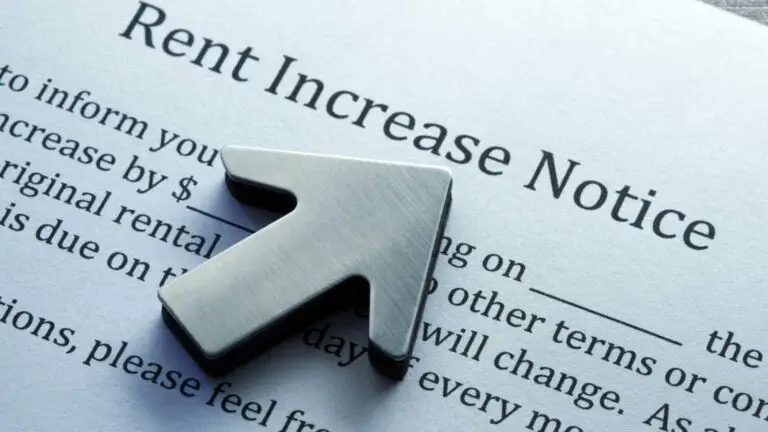
Even in situations where a rent increase is permissible, landlords must provide adequate written notice. The specific notice period depends on state and local laws, but it is typically 30, 60, or even 90 days. Failing to provide this notice makes the rent increase unlawful.
This requirement ensures tenants have sufficient time to adjust their budgets or find alternative housing if necessary. Therefore, if your landlord attempts to raise rent without proper notice, you have grounds to dispute it. Always insist on written communication for all important tenancy matters.
Retaliatory Rent Increases and Discrimination
Landlords cannot raise rent in retaliation for a tenant exercising their legal rights. For example, if you report unsafe living conditions or join a tenant’s union, a subsequent rent hike might be considered retaliatory and illegal. Similarly, rent increases based on discrimination (e.g., race, religion, familial status) are strictly prohibited by federal and state fair housing laws.
Such actions are serious violations of tenant protection laws. If you suspect a retaliatory or discriminatory rent increase, document everything and seek immediate legal advice. Your rights are protected against such unfair practices.
Rent Control Ordinances and Their Limits
Some cities and states have rent control or rent stabilization ordinances. These laws place limits on how much a landlord can raise rent and how often. These protections are designed to keep housing affordable in specific areas.
If you live in a rent-controlled area, your landlord must adhere to these specific regulations. Even if your lease allows for an increase, rent control laws might supersede it. Therefore, research your local rent control policies to understand your maximum allowable rent. You can often find this information on your city’s housing department website.
Tenant Rights and Protections Against Unlawful Rent Increases
When faced with a potential unlawful rent increase, tenants possess several rights and avenues for protection. Knowing these can empower you to challenge improper actions by your landlord. Your lease agreement and local laws are your strongest allies in this situation.
It is crucial to act promptly and strategically if you believe your landlord is attempting an illegal rent hike. Gathering information and seeking appropriate guidance will strengthen your position. Remember, you are not alone in navigating these challenges.
Knowing Your State and Local Landlord-Tenant Laws
The foundation of tenant protection lies in understanding the specific landlord-tenant laws in your state and locality. These laws dictate notice periods, allowable rent increases, and dispute resolution processes. They also clarify when a landlord can raise rent during a lease.
Many state attorney general offices or housing departments provide free resources and guides for tenants. For example, Nolo.com offers extensive information on landlord-tenant laws across various states: Nolo’s Landlord-Tenant Laws. Reviewing these resources can provide invaluable insights into your specific rights.
Documenting All Communication and Notices
Maintaining thorough records is paramount in any landlord-tenant dispute. Keep copies of your signed lease, all rent payment receipts, and any correspondence related to rent increases. This includes emails, letters, and notices from your landlord.
If you have verbal conversations, follow up with an email summarizing the discussion. This creates a written record that can be crucial evidence if you need to dispute an illegal rent increase. Strong documentation strengthens your case significantly.
Seeking Legal Assistance or Tenant Advocacy
If you believe your landlord is attempting an illegal rent increase, do not hesitate to seek professional help. Tenant rights organizations, legal aid societies, or private attorneys specializing in landlord-tenant law can offer guidance. They can help you understand your options and represent your interests.
Many communities also have tenant unions or advocacy groups. These organizations often provide free or low-cost advice and support. They can be a valuable resource for understanding how to effectively challenge an unlawful rent increase.
What to Do If Your Landlord Attempts to Raise Rent Illegally
Discovering an illegal rent increase can be unsettling, but proactive steps can help resolve the situation. It is important to approach the issue calmly and strategically. Your goal is to uphold your lease agreement and protect your financial stability.
Remember that communication is often the first and most effective tool. However, be prepared to escalate your efforts if initial attempts at resolution are unsuccessful. Knowing the proper channels for dispute resolution is key.
Communicate and Negotiate with Your Landlord
Your first step should be to communicate with your landlord in writing. Refer to your lease agreement and relevant state or local laws, explaining why you believe the rent increase is unlawful. Clearly state that a landlord cannot raise rent during a lease unless specific conditions are met.
Propose a resolution, such as continuing to pay the original rent amount. Maintain a polite but firm tone. Sometimes, landlords may simply be unaware of the specific legal limitations, and a clear explanation can resolve the issue without further conflict.
Formal Dispute Resolution and Mediation
If direct communication fails, consider formal dispute resolution or mediation. Many cities offer mediation services for landlord-tenant disputes. A neutral third party can help facilitate a discussion and find a mutually agreeable solution. This process is often less adversarial than going to court.
Mediation can save both parties time and money. It provides a structured environment to discuss the issue. Furthermore, it can help preserve the landlord-tenant relationship, which is beneficial for everyone involved.
Legal Recourse: Small Claims Court or Housing Authority
As a last resort, you may need to pursue legal recourse. You can file a complaint with your local housing authority or consider taking your landlord to small claims court. These avenues allow you to formally challenge the illegal rent increase and seek appropriate remedies.
Before taking legal action, ensure you have all your documentation in order. Consult with a legal professional to understand the process and your chances of success. This step is serious, but it ensures your rights are fully protected.
Frequently Asked Questions
Can my landlord raise rent if my lease doesn’t mention it?
No, generally not during a fixed-term lease. If your lease agreement does not include any specific clauses allowing for a rent increase, your landlord is bound by the original terms. They cannot unilaterally raise the rent until the lease term expires. This provides financial certainty for the tenant.
What if my landlord makes improvements and wants to raise rent?
During a fixed-term lease, a landlord typically cannot raise rent solely because of property improvements, unless a specific clause in your lease permits it or you mutually agree. For month-to-month leases, improvements might be a factor in a rent increase, but proper notice is still required. The improvements must generally benefit the tenant directly to justify any increase.
Are there limits to how much a landlord can raise rent?
Yes, limits exist, especially in areas with rent control or rent stabilization ordinances. These laws cap the percentage by which a landlord can raise rent annually. Even without rent control, state and local laws often dictate reasonable notice periods for increases in month-to-month tenancies. However, for fixed leases, the rent is usually fixed for the term.
Can a landlord raise rent during a lease if property taxes increase?
A landlord can only raise rent during a fixed lease due to increased property taxes if there is a very specific “tax pass-through” clause explicitly written into your lease agreement. Such clauses are uncommon in standard residential leases. Otherwise, increased property taxes are generally a landlord’s operational cost and cannot be passed on mid-lease.
What is the typical notice period for a rent increase?
The typical notice period for a rent increase varies significantly by state and local laws. For month-to-month tenancies, it commonly ranges from 30 to 60 days, but can be up to 90 days in some jurisdictions. Landlords must provide this notice in writing. For fixed-term leases, no notice for an increase is needed during the term because the rent is already set.
Conclusion: Protecting Your Rights When a Landlord Raises Rent
Understanding whether a landlord can raise rent during a lease is fundamental to protecting your tenancy rights. For fixed-term leases, your rent is generally stable and protected, with very few exceptions. However, month-to-month agreements offer more flexibility for landlords, always requiring proper notice.
Always review your lease agreement carefully, know your state and local landlord-tenant laws, and document all communications. If you face an unlawful rent increase, communicate clearly, consider mediation, and be prepared to seek legal assistance. Empower yourself with knowledge to ensure fair housing practices. Your proactive approach safeguards your home and your budget.