Back to main guide: Complete Guide To Home Decor
Transforming your living space often begins with a single, yet profound, decision: choosing the right color palette for your home. The colors you select don’t just fill a room; they define its character, influence your mood, and create the overall ambiance that welcomes you and your guests. This comprehensive guide will walk you through the essential steps and considerations to help you craft a harmonious and inviting home environment that truly reflects your personal style.
See also: Complete Guide to Home Decor, Modern Home Decor Styles & Trends, Bedroom Decor Ideas for a Relaxing Retreat, Budget Home Decor: Stylish Finds & DIY Projects, Mastering Wall Art & Gallery Walls.The Psychology of Color: Why Your Home’s Palette Matters
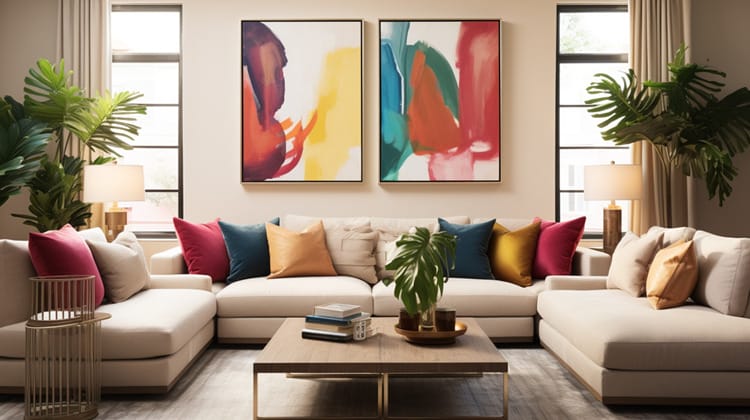
The impact of color on human emotion and behavior is well-documented, making it a crucial element in interior design. Warm colors like reds, oranges, and yellows can evoke feelings of energy, comfort, and passion, often making a space feel more intimate and inviting. Conversely, cool colors such as blues, greens, and purples tend to promote tranquility, serenity, and spaciousness, ideal for bedrooms or bathrooms where relaxation is key.
Understanding these psychological associations is the first step in choosing the right color palette for your home. Beyond individual room functions, the overall flow of colors throughout your house contributes significantly to its perceived unity and atmosphere. A cohesive palette can make your home feel larger and more thoughtfully designed, guiding the eye smoothly from one space to the next and establishing a distinct personality for your entire residence.
Key Considerations Before You Pick a Paint Swatch
Before diving into a sea of paint chips, it’s vital to assess several practical elements that will heavily influence your color choices. Begin by observing the natural light in each room; south-facing rooms receive warm, bright light throughout the day, while north-facing rooms tend to have cooler, softer light. Artificial lighting also plays a significant role, as different bulb temperatures (warm white vs. cool white) can dramatically alter how colors appear on your walls.
Next, take stock of your existing furnishings, flooring, and architectural features. These permanent or semi-permanent elements already possess their own colors and undertones, which must be considered when choosing the right color palette for your home. Your new palette should complement these existing components, rather than clashing with them, to create a harmonious and integrated look. Don’t forget to factor in the function of each room – a vibrant kitchen might be energizing, while a calm, muted tone is often preferred for a bedroom.
Understanding Color Theory: Tools for a Harmonious Home
A basic grasp of color theory provides invaluable tools for crafting a visually appealing and cohesive home environment. The color wheel is your fundamental resource, illustrating the relationships between primary, secondary, and tertiary colors. Learning how colors interact allows you to intentionally create specific moods and styles within your living spaces.
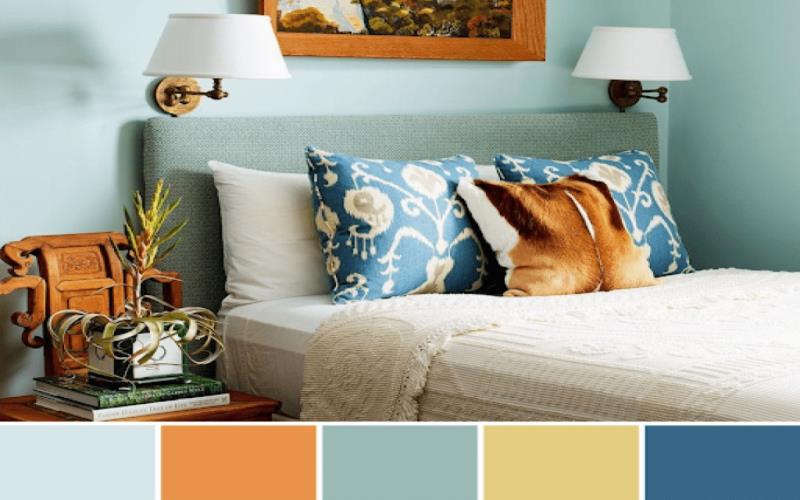
Various color schemes can guide your selection process, ensuring your chosen hues work together seamlessly. Monochromatic schemes use different shades and tints of a single color for a sophisticated, calming effect. Analogous schemes utilize colors adjacent on the color wheel, creating a serene and harmonious flow. For a more dynamic and energetic feel, complementary schemes pair colors directly opposite each other on the wheel, offering high contrast and visual interest. To deepen your understanding of these principles, explore more about color theory fundamentals.
Your Step-by-Step Guide to Crafting the Perfect Palette
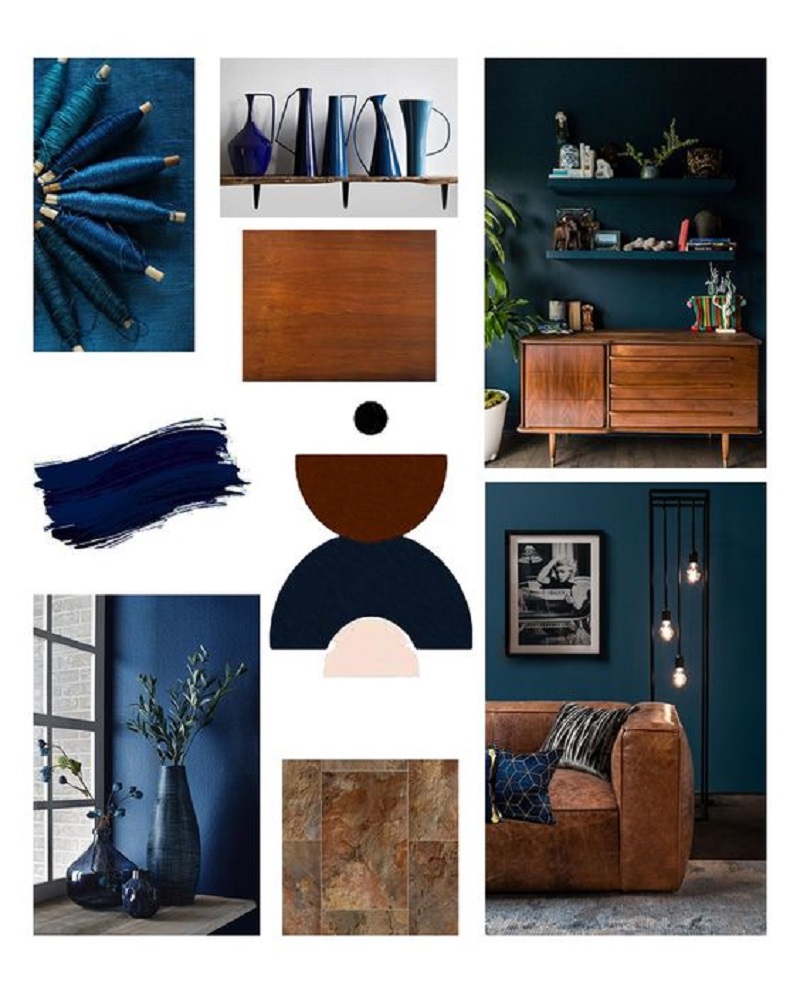
Choosing the right color palette for your home can feel daunting, but a structured approach can simplify the process. Start by finding inspiration from sources like nature, fashion, art, or interior design magazines and websites. Pinpoint colors and combinations that resonate with you and reflect the atmosphere you wish to create in your home.
Once you have a general idea, follow these actionable steps:
-
Identify a Starting Point: Select one “anchor” color from an existing piece of furniture, a favorite artwork, or a rug. This color will serve as the foundation for your entire palette.
-
Build Your Core Palette: Based on your anchor color, choose 2-3 additional colors using color theory principles (monochromatic, analogous, complementary). Consider one primary color, one secondary, and an accent color for variety.
-
Consider Flow Between Rooms: Think about how rooms connect visually. You can maintain continuity by using a consistent neutral color in hallways or by selecting colors that share similar undertones throughout adjacent spaces.
-
Test Swatches Extensively: This is a crucial step. Paint large swatches of your chosen colors on different walls in each room and observe them at various times of day and night. Light conditions can drastically alter how a color appears, so don’t skip this vital test.
-
Incorporate Textures and Materials: Remember that your palette extends beyond paint. Integrate your chosen colors through textiles, wood tones, metals, and decorative accessories to add depth and richness to your design.
By thoughtfully considering these steps, you can confidently embark on choosing the right color palette for your home, transforming it into a personalized sanctuary that truly reflects your style and enhances your everyday living experience. A well-chosen palette not only beautifies your space but also creates an emotional connection, making your house feel more like a cherished home.