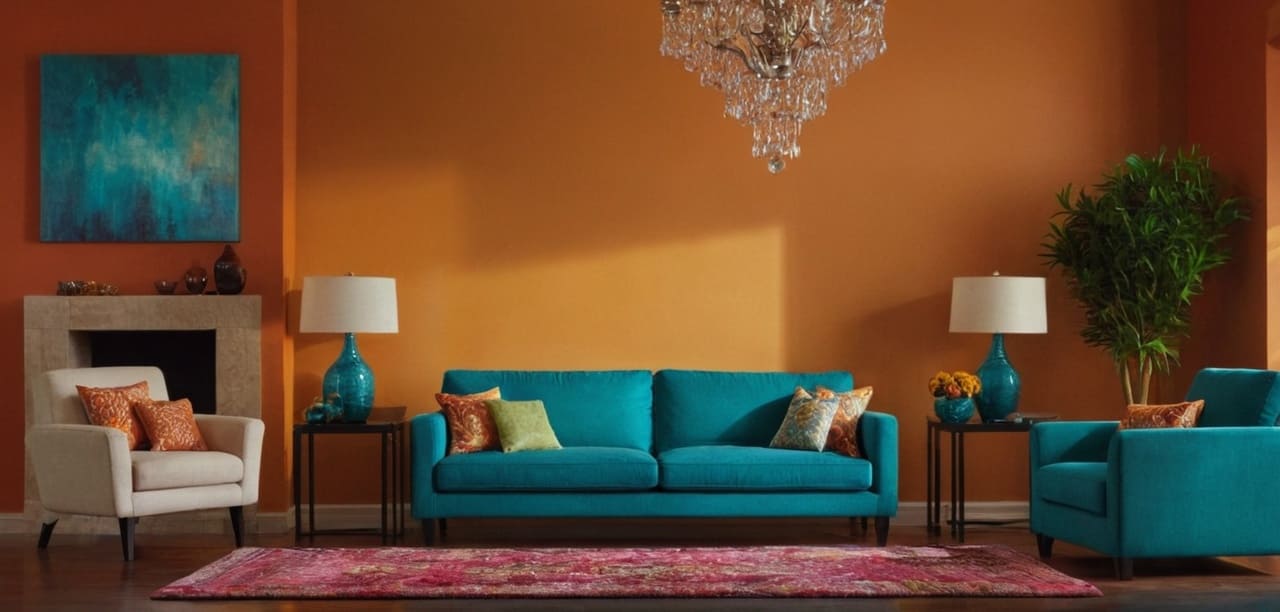
Embarking on the journey of transforming your living space through thoughtful home decor is an incredibly rewarding experience. More than just arranging furniture or hanging pictures, it’s about curating an environment that reflects your personality, supports your lifestyle, and provides a sense of comfort and belonging. This guide will delve into the fundamental principles and creative strategies to help you master the art of decorating your home, ensuring every corner tells your unique story and feels like a true sanctuary.
Understanding the Art of Home Decor: More Than Just Furniture
True home decor extends far beyond the mere acquisition of furnishings; it is an intricate dance between aesthetics, functionality, and personal expression. It involves understanding how different elements interact to create a cohesive and inviting atmosphere. When you approach home decor thoughtfully, you’re not just filling a space, but rather crafting an experience for yourself and your guests.This process allows you to define the mood and purpose of each room, turning a house into a home that resonates deeply with its inhabitants. Whether you’re a seasoned interior designer or a passionate DIY enthusiast, the goal remains the same: to create a beautiful and functional environment. It’s about making conscious choices that contribute to the overall ambiance and comfort of your living space.
What is Home Decor and Why Does It Matter?
Home decor encompasses the selection and arrangement of elements within an interior space, including furniture, lighting, color palettes, textiles, art, and accessories. It’s the visual and tactile language of your home, communicating your taste and values without saying a word. The importance of thoughtful home decor cannot be overstated, as it directly impacts your daily well-being and productivity.A well-decorated home provides a sense of peace and order, reduces stress, and enhances daily routines. Imagine a vibrant living room that energizes you, or a serene bedroom that promotes restful sleep – these are the direct benefits of intentional home decor choices. It’s about creating environments that not only look good but also feel good to live in.
The Role of Personal Style in Home Decor
Your personal style is the cornerstone of effective home decor, acting as the guiding principle for all your design decisions. It’s what differentiates your home from anyone else’s, making it uniquely yours. Embracing your individual preferences ensures that your living space isn’t just trendy but timeless and deeply personal.Whether you gravitate towards minimalist simplicity, bohemian eclecticism, or classic elegance, your home should be an authentic reflection of who you are. Don’t be afraid to mix and match elements that speak to you, as this often leads to the most characterful and inviting interiors. Trusting your instincts is key to developing a home decor scheme that truly feels like home.
The Core Elements of Stunning Home Decor: From Color to Comfort
Creating a stunning home decor scheme requires a comprehensive understanding of its various components and how they interact. Each element plays a crucial role in shaping the overall look and feel of a room, contributing to its functionality and aesthetic appeal. By mastering these core elements, you can transform any space into a beautifully cohesive and comfortable environment.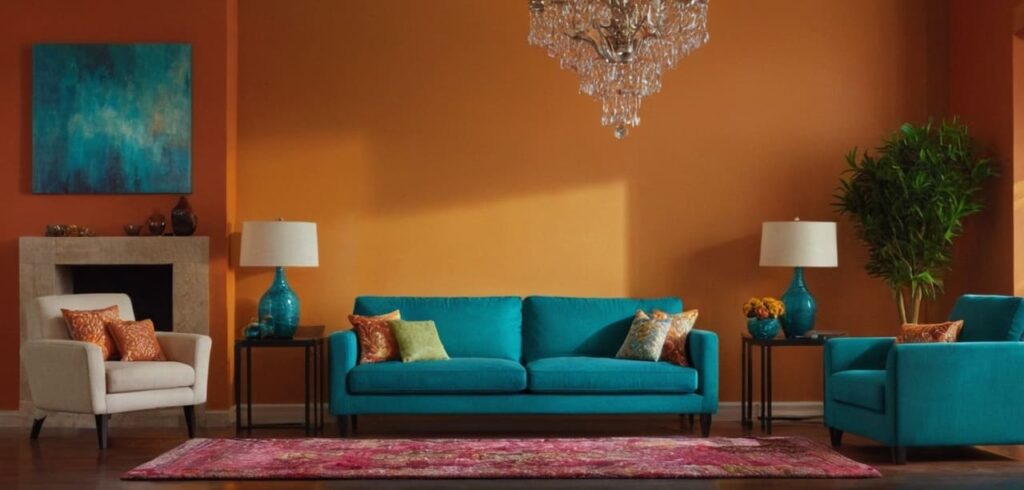
From the foundational choice of a color palette to the final touches of accessories, every detail matters in crafting an inviting interior. Thoughtful consideration of these aspects ensures that your home decor is not only visually appealing but also practical for everyday living. Let’s explore the key ingredients that make up exceptional home decor.
Color Palette: Setting the Mood
The chosen color palette is perhaps the most impactful element in home decor, instantly setting the mood and atmosphere of any room. Colors have a profound psychological effect, influencing emotions and perceptions of space. A warm palette with reds and oranges can create a cozy, energetic feel, while cool blues and greens evoke calmness and serenity.Understanding color theory and how different shades interact is vital for achieving a harmonious look. You might opt for a monochromatic scheme for sophistication, a complementary scheme for vibrancy, or an analogous scheme for a soothing flow. Consider the natural light in your room and its primary function when selecting your dominant and accent colors for your home decor. For more insights into color psychology and its application in design, you can explore resources like Wikipedia’s article on Color Psychology.
Furniture Selection and Layout: Functionality Meets Form
Furniture is the backbone of any home decor plan, providing both functionality and defining the room’s character. When selecting furniture, prioritize pieces that align with your lifestyle and the room’s purpose, ensuring they are both comfortable and durable. Scale and proportion are critical; oversized furniture can overwhelm a small room, while too many small pieces can make a large room feel cluttered.The layout of your furniture dictates flow and interaction within the space, creating focal points and defining zones. Consider traffic patterns and how people will move through the room to ensure an intuitive and inviting arrangement. A well-planned furniture layout is essential for both the aesthetics and practicality of your home decor.
Lighting: Illuminating Your Design
Effective lighting is a powerful tool in home decor, capable of transforming a space and highlighting its best features. Beyond simply providing illumination, lighting layers create depth, enhance ambiance, and serve specific functions. A balanced lighting scheme typically incorporates three types: ambient, task, and accent lighting.Ambient lighting provides overall illumination, task lighting supports activities like reading or cooking, and accent lighting draws attention to architectural features or artwork. The type of fixtures, their placement, and the warmth of the light bulbs all contribute significantly to the overall feel of your home decor. Thoughtful lighting can make a room feel larger, cozier, or more dramatic.
Textiles and Textures: Adding Warmth and Depth
Textiles and textures are the unsung heroes of home decor, adding warmth, softness, and visual interest to any room. From plush rugs and luxurious curtains to cozy throws and decorative pillows, these elements invite touch and enhance comfort. They can introduce patterns, colors, and varying materials that enrich the overall aesthetic.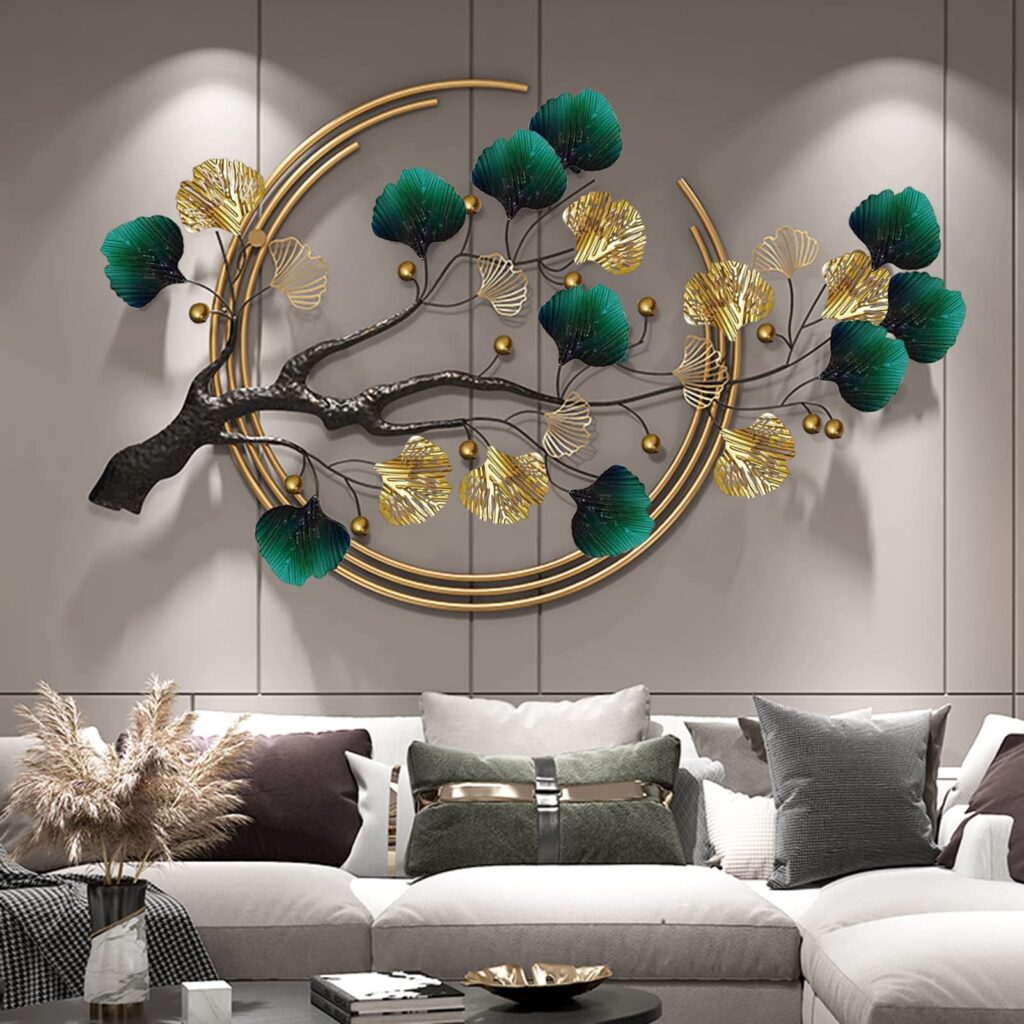
Incorporating a variety of textures, such as smooth silks, rough linens, chunky knits, and polished wood, creates a dynamic and inviting environment. These tactile elements help to break up monotonous surfaces and add a sophisticated layer to your design. Thoughtful use of textiles is key to making your home decor feel complete and lived-in.
Art and Accessories: The Personal Touches
Art and accessories are the final flourishes in home decor, allowing you to infuse your personality and tell your story within a space. These items include paintings, sculptures, photographs, mirrors, plants, and decorative objects. They are opportunities to showcase your interests, travels, and cherished memories, making your home truly unique.When arranging accessories, remember the principle of odd numbers for a more visually pleasing composition, and vary heights and sizes for dynamic displays. Plants bring life and freshness into a room, while mirrors can expand a space and reflect light. Carefully chosen art and accessories are crucial for elevating your home decor from merely functional to truly inspiring.
Designing Your Dream Space: Styles, Strategies, and Smart Solutions
Designing your dream space with effective home decor involves more than just selecting beautiful items; it requires a strategic approach to bring your vision to life. Understanding different design styles, implementing practical strategies, and employing smart solutions can help you achieve a cohesive and aesthetically pleasing environment. This section will guide you through exploring popular aesthetics and applying actionable tips to create a home that truly resonates with you.Whether you’re starting from scratch or refreshing an existing room, having a clear plan and understanding the tools at your disposal will make the home decor process enjoyable and successful. Let’s dive into how to effectively plan and execute your design aspirations.
Exploring Popular Home Decor Styles
Understanding various home decor styles can provide a strong foundation for developing your own aesthetic. Each style has distinct characteristics, color palettes, and furniture preferences that create a specific mood. Familiarizing yourself with these can help you articulate your preferences and make informed choices.* Minimalist: Characterized by simplicity, clean lines, and a focus on functionality. Emphasizes decluttering and a neutral color palette. * Bohemian: Eclectic and free-spirited, featuring global influences, vibrant colors, natural materials, and a mix of patterns and textures. * Modern Farmhouse: A blend of rustic charm and contemporary sophistication, combining vintage elements with clean lines and a neutral palette, often with natural wood and industrial accents. * Scandinavian: Focuses on simplicity, functionality, and natural light. Utilizes light wood, white walls, and cozy textiles for a bright, airy, and inviting feel. * Mid-Century Modern: Defined by clean lines, organic shapes, and a blend of natural and man-made materials from the mid-20th century. Features iconic furniture pieces and a mix of bold and earthy tones.
Practical Home Decor Strategies
Successful home decor relies on more than just good taste; it requires practical strategies to ensure a smooth and budget-friendly process. Before making any purchases, consider creating a mood board to visualize your ideas, collecting images, fabric swatches, and color samples. This helps ensure all elements work together harmoniously.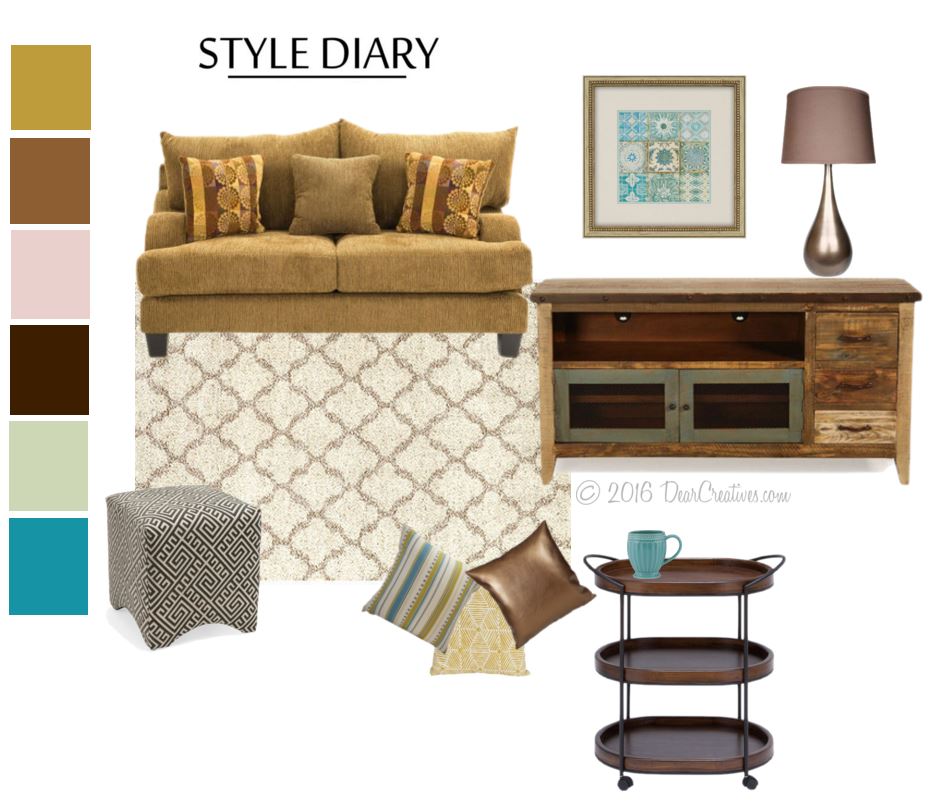
Budgeting is another critical step; establish how much you’re willing to spend and prioritize your purchases, perhaps investing more in key pieces like a sofa. Don’t underestimate the power of decluttering and organizing, as a clean space is the best canvas for any decor. Finally, remember that layering different textures, patterns, and lighting creates depth and interest, making your home decor feel richer and more inviting.
Incorporating Personal Touches
The most beautiful home decor is always deeply personal, reflecting the unique stories and experiences of those who live there. Integrating personal touches is what transforms a house into a truly cherished home. Displaying family photographs, heirlooms, or mementos from your travels adds character and warmth that no generic piece can replicate.These items spark conversations and evoke memories, making your space feel authentic and lived-in. Don’t be afraid to mix new purchases with cherished old pieces, as this blend often creates the most interesting and meaningful interiors. Your home decor should be a curated collection of things you love, making every glance a reminder of your journey and passions.
Frequently Asked Questions
Q1: How do I start decorating my home if I’m on a tight budget?
A1: Start by decluttering and reorganizing what you already own. Focus on small, impactful changes like repainting a wall, rearranging furniture, or adding new throw pillows and blankets. DIY projects, thrifting for unique pieces, and utilizing plants for greenery are also excellent budget-friendly home decor options.Q2: What’s the biggest mistake people make in home decor?
A2: One common mistake is buying items without considering the overall scale and proportion of the room, leading to a cluttered or empty feel. Another frequent error is neglecting to create a cohesive vision or color scheme, resulting in a disjointed look. Always plan first and measure twice to avoid these pitfalls in your home decor efforts.Q3: How often should I update my home decor?
A3: There’s no strict rule for updating home decor; it largely depends on your personal preferences and lifestyle. Major updates like furniture changes might happen every 5-10 years, while smaller refreshes like new accessories, textiles, or paint colors can be done annually or seasonally. The key is to update when your space no longer reflects your style or needs.Q4: Can I mix different home decor styles in one room?
A4: Absolutely! Mixing styles can create a unique and personalized look, often referred to as eclectic design. The trick is to find common threads, such as a consistent color palette, similar textures, or a unifying material, to ensure the different styles feel intentional and harmonious rather than chaotic. Balance is key when blending different home decor aesthetics.Related Topics
- Elevate Your Space: Modern Home Decor Styles & Trends Guide
- Bedroom Decor Ideas For A Relaxing Retreat
- Budget Home Decor: Stylish Finds & Diy Projects
- Mastering Wall Art & Gallery Walls: Your Ultimate Guide
- Choosing The Right Color Palette For Your Home
- Unlock Your Home's Potential: Small Space Decorating Tips &