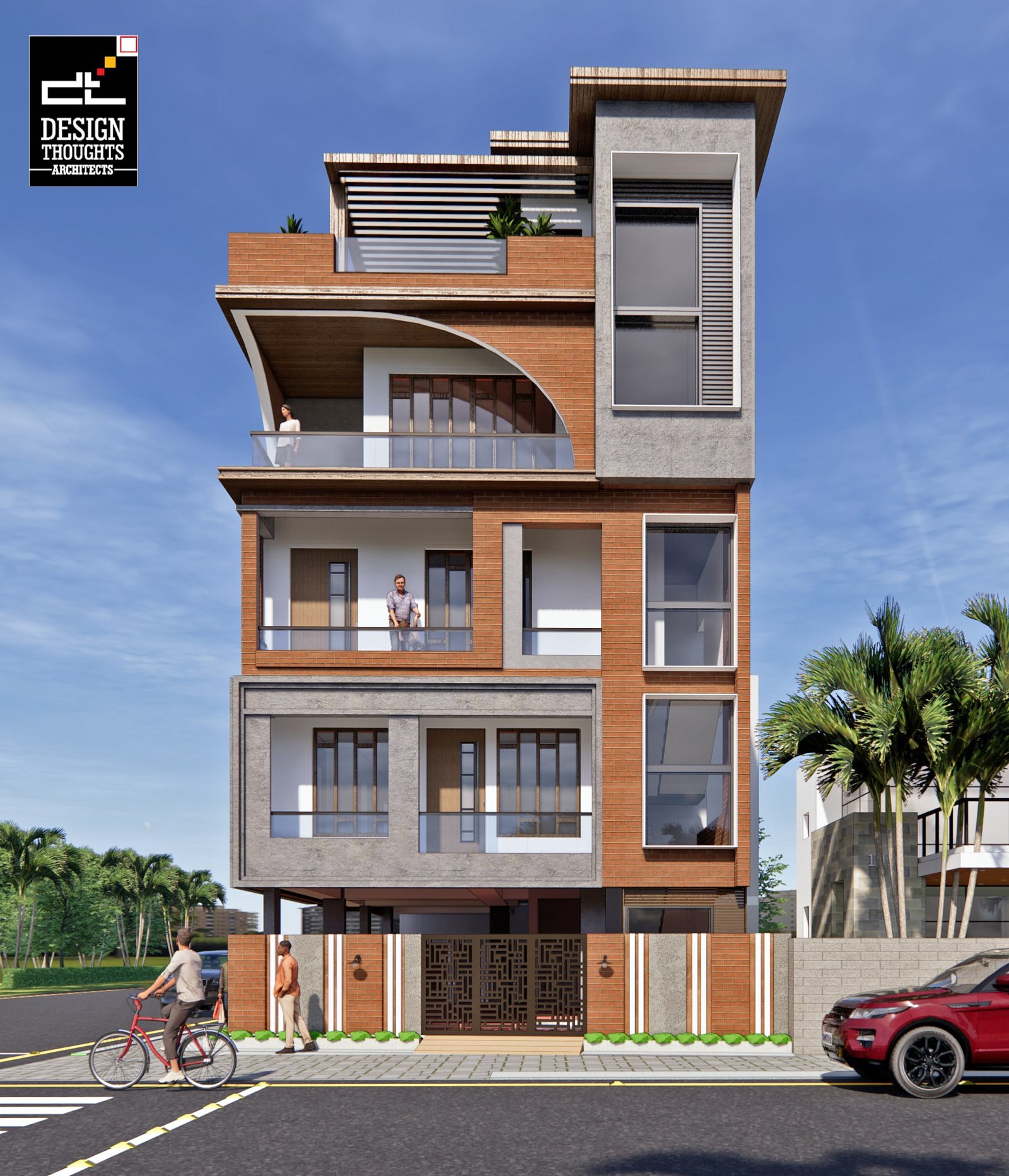
Transforming a house into a home is an art, and at its core lies effective home design. This intricate process goes beyond mere aesthetics; it’s about crafting spaces that resonate with your personal style, enhance functionality, and provide comfort and inspiration for daily living. A well-designed home reflects the personalities of its inhabitants, creating an environment where memories are made and life unfolds beautifully. Understanding the principles of good design can empower anyone to create their ideal living space, whether embarking on a full renovation or simply refreshing a single room.
See also: Maximizing Small Spaces: Smart Design Solutions, Modern Kitchen & Bathroom Design Trends.What is Home Design? Defining Your Vision
Home design encompasses the planning, arrangement, and decoration of interior spaces to create an environment that is both visually appealing and highly functional. It involves considering everything from the layout of rooms to the smallest decorative accents, all with the goal of optimizing the living experience. This holistic approach ensures that every element works in harmony, contributing to a cohesive and inviting atmosphere. Ultimately, successful home design is about translating a personal vision into a tangible, livable reality.It’s important to recognize that home design is a deeply personal journey, distinct for every individual or family. What works for one person may not suit another, highlighting the importance of introspection and understanding one’s own needs and desires. Whether you prefer the minimalist elegance of Scandinavian design or the rustic charm of a farmhouse aesthetic, the key is to cultivate a space that truly feels like yours. This often involves exploring various styles, materials, and color palettes to find what genuinely resonates with your lifestyle and aspirations.
The Essence of Personalization in Home Design
Personalization is paramount in creating a truly unique and comfortable living space. This involves infusing your home with elements that reflect your hobbies, passions, and life experiences, making it feel distinctly yours. Think about incorporating cherished family heirlooms, displaying artwork that speaks to you, or designing a cozy reading nook tailored to your literary tastes. Such thoughtful touches contribute significantly to the overall warmth and character of your home.Moreover, effective home design considers how different spaces will be used by the people living there. For instance, a family with young children might prioritize durable, easy-to-clean surfaces and child-friendly layouts, while a couple working from home might focus on creating dedicated, productive office spaces. Understanding these functional requirements early on helps shape a design that not only looks good but also serves its purpose exceptionally well. This integration of form and function is a hallmark of truly outstanding home design.
Key Elements of Thoughtful Home Design
Thoughtful home design relies on a blend of foundational principles that guide decisions from conception to completion. These elements, when harmoniously combined, create spaces that are not only beautiful but also intuitive and comfortable to inhabit. Mastering these aspects allows you to craft environments that feel both luxurious and entirely practical, enhancing your daily life in meaningful ways. Understanding these core components is crucial for anyone looking to elevate their living space.Functionality and Flow: The Foundation
At the heart of excellent home design is a focus on functionality and the seamless flow between different areas. This means arranging furniture and defining pathways in a way that makes movement effortless and logical throughout your home. Consider how each room connects to the next and how natural light travels, ensuring that your layout supports daily activities without creating bottlenecks or awkward spaces. A well-planned floor plan can dramatically improve the user experience within any dwelling.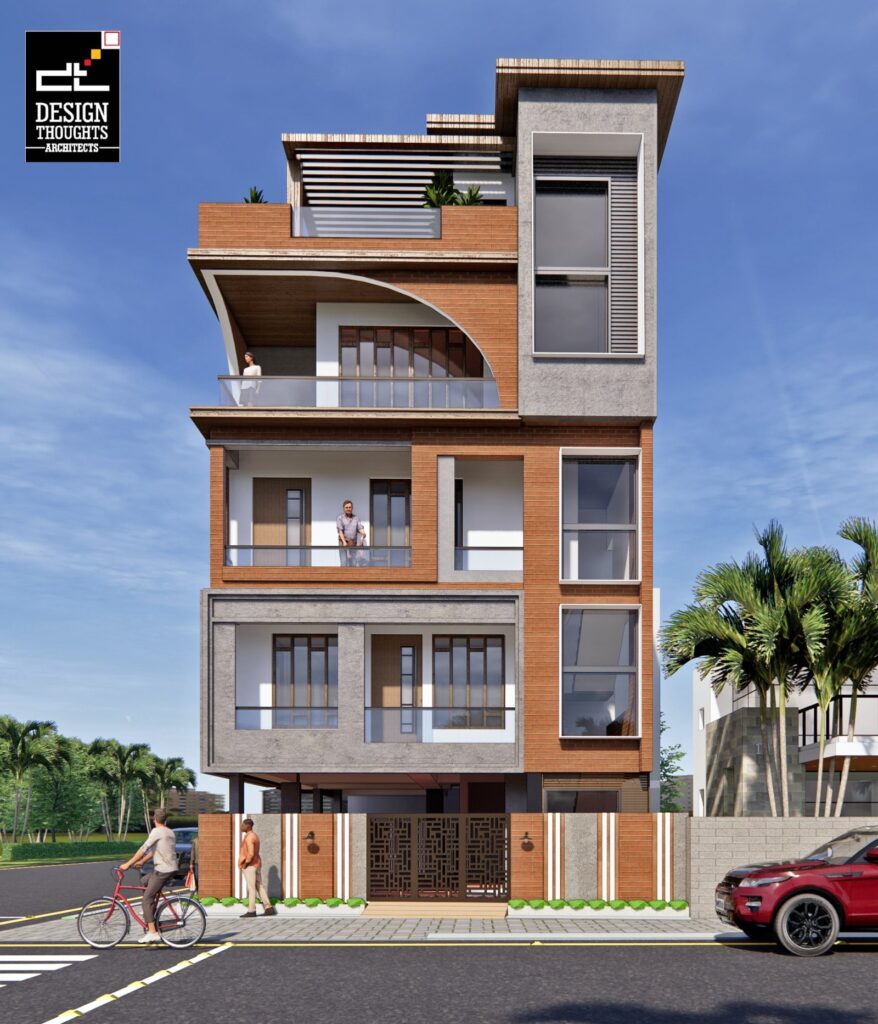
Effective space planning also involves maximizing every square foot, especially in smaller homes, to serve multiple purposes without feeling cluttered. This might include incorporating built-in storage solutions, selecting multi-functional furniture, or designing open-concept areas that adapt to various needs. The goal is to create an environment where every item has its place and every area serves a clear purpose, contributing to an organized and stress-free living experience.
Aesthetics: Color, Texture, and Lighting
The aesthetic appeal of your home design is heavily influenced by your choices in color, texture, and lighting. Color palettes can evoke specific moods, from calming blues and greens to vibrant reds and yellows, setting the emotional tone for each room. Textures, introduced through fabrics, wall coverings, and furniture, add depth and interest, inviting touch and creating a layered look. Combining different textures can prevent a space from feeling flat and uninviting.Lighting, both natural and artificial, plays a critical role in shaping the atmosphere and highlighting design features. Strategic placement of windows, lamps, and fixtures can brighten dark corners, create focal points, and even make a room feel larger. Layering different types of lighting—ambient, task, and accent—allows for flexibility and control over the mood and functionality of a space throughout the day and evening. Thoughtful lighting design is often underestimated but profoundly impactful.
Personalization and Storytelling
Your home should tell your story, reflecting your unique journey and values through its design. This can be achieved by incorporating personal artifacts, art collections, or travel souvenirs that hold special meaning. These elements transform a generic space into a deeply personal sanctuary, rich with memories and character. It’s about curating a collection of items that truly resonate with you, creating a narrative within your living environment.Moreover, consider how your design choices can subtly communicate your personality to guests and residents alike. Whether it’s through a gallery wall of family photos, a display of treasured books, or a collection of handmade ceramics, these details contribute to the soul of your home. Embracing this aspect of personalization ensures that your home design feels authentic and genuinely yours, fostering a sense of belonging and comfort.
Bringing Your Design to Life: Practical Steps & Tips
Embarking on a home design project can feel daunting, but breaking it down into manageable steps makes the process enjoyable and achievable. From initial inspiration to final touches, a systematic approach ensures that your vision translates effectively into a beautiful and functional space. Remember that even small changes can have a significant impact, so don’t be afraid to start with a single room or a specific design challenge.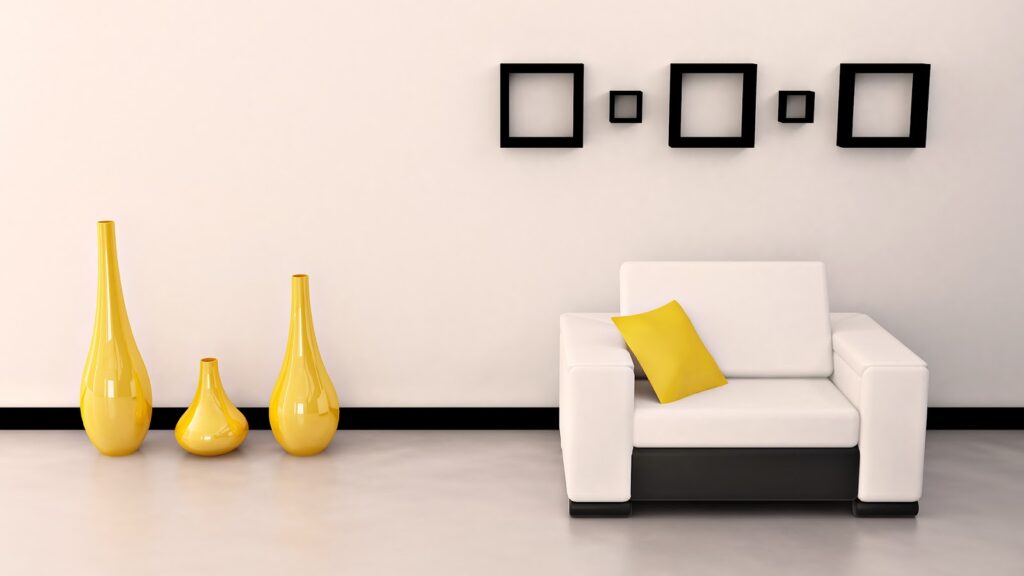
Assessment and Inspiration
Begin by assessing your current living situation, identifying what works and what doesn’t in your existing home design. This critical self-reflection helps clarify your needs, preferences, and any pain points you wish to address. Once you have a clear understanding of your requirements, immerse yourself in sources of inspiration such as design magazines, online platforms like Pinterest or Houzz, and show homes. This exploration will help you discover styles, color schemes, and furniture ideas that resonate with you.Gathering inspiration is not just about finding pretty pictures; it’s about understanding why certain designs appeal to you and how their elements could be adapted to your space. Create mood boards, either physical or digital, to collect images, fabric swatches, and color samples that capture your desired aesthetic. This visual compilation will serve as a guiding reference throughout your design journey, ensuring consistency and clarity in your choices.
Planning and Layout
With inspiration in hand, the next crucial step is detailed planning, particularly focusing on the layout and space allocation. Sketch out floor plans, considering furniture placement, traffic flow, and how each area will function. This stage is where you address practical considerations such as electrical outlets, plumbing, and lighting fixtures, integrating them seamlessly into your design. Accurate measurements are vital here to ensure everything fits perfectly and proportionally.It’s often beneficial to experiment with different furniture arrangements using tape on the floor or by creating scaled drawings to visualize the space. Consider the scale of your furniture in relation to the room size to avoid overcrowding or under-furnishing. This meticulous planning phase prevents costly mistakes and ensures that your chosen design elements work together effectively within the physical constraints of your home.
Execution and Details
Once your plan is solid, it’s time for execution, which involves selecting materials, furniture, and decorative items. Pay close attention to the quality and durability of your chosen pieces, ensuring they align with both your aesthetic and your budget. This phase can be exciting as your design vision begins to take physical form, transforming concepts into tangible realities. Remember that patience and attention to detail are key to achieving a polished finish.The final touches, such as artwork, plants, and accessories, truly bring a room to life and infuse it with personality. These small details can significantly impact the overall feel of a space, adding layers of interest and warmth. Don’t rush this stage; take your time to find pieces that genuinely speak to you and enhance the story your home is telling. For more in-depth guidance on interior design principles, you might find valuable insights on resources like Architectural Digest’s guide to interior design basics.
Frequently Asked Questions About Home Design
What is the difference between home design and interior decoration?
Home design is a comprehensive process that involves structural planning, space allocation, and functional layout, often addressing architectural elements and permanent fixtures. Interior decoration, on the other hand, focuses more on the aesthetic elements like furniture, accessories, color palettes, and textiles within an existing space. While decoration is a component of design, design encompasses a broader, more foundational approach to creating a living environment.How can I start a home design project on a budget?
Starting a home design project on a budget is entirely possible by focusing on key areas and making smart choices. Begin by decluttering and reorganizing to maximize existing space, then prioritize repainting walls for a fresh look. Consider DIY projects for smaller updates, explore second-hand furniture for unique pieces, and invest strategically in versatile items. Small changes like new throw pillows or updated lighting can also make a big impact without breaking the bank.Should I hire an interior designer for my home design project?
Hiring an interior designer can be highly beneficial, especially for large-scale renovations, complex layouts, or if you’re struggling to articulate your vision. Professionals bring expertise in space planning, material selection, and project management, often saving you time and money by avoiding costly mistakes. However, for smaller projects or if you have a clear vision and enjoy the process, you might choose to manage the design yourself or consult a designer for specific advice.How do I choose a color scheme for my home design?
Choosing a color scheme involves considering the mood you want to create, the existing elements in your home, and natural light conditions. Start by selecting a main color that resonates with you, then build a palette around it using complementary or analogous colors. Look to nature for inspiration, use a color wheel to understand relationships, and always test paint samples on your walls before committing. Remember that lighter colors tend to open up spaces, while darker hues create a cozier feel.Related Topics
- Popular Interior Design Styles For Your Home
- Your Guide To Maximizing Small Spaces: Smart Design Solution
- Eco-friendly Home Design: Sustainable Living Spaces
- Budget-friendly Diy Home Decor Ideas
- Unlock Stunning Modern Kitchen & Bathroom Design Trends
- Optimizing Natural Light In Home Design
3 thoughts on “Complete Guide To Home Design”