Navigating the complexities of rental agreements can be challenging for both landlords and tenants. A common scenario that often leads to confusion is when a landlord accepts a payment that is less than the full amount due. Understanding what happens if landlord accepts partial payment is crucial for protecting your rights and avoiding legal pitfalls. This guide will clarify the legal implications and practical consequences of partial rent acceptance, helping you make informed decisions.
The Legal Framework: What Happens If Landlord Accepts Partial Payment?
Accepting a partial rent payment can significantly alter a landlord’s legal standing, especially concerning eviction proceedings. The specific outcomes depend heavily on state and local landlord-tenant laws. Generally, accepting partial payment might be seen as a waiver of the landlord’s right to immediately evict for non-payment of the full amount.
State Laws Governing Partial Rent Acceptance
Each state has unique statutes dictating how partial payments are treated in landlord-tenant relationships. Some states, for instance, allow landlords to accept partial payments while still proceeding with an eviction, provided they issue a clear reservation of rights. Other states may interpret partial acceptance as a waiver, requiring the landlord to restart the eviction process. It is essential to consult local regulations or a legal professional to understand the specific rules in your jurisdiction.
The Influence of Lease Agreements on Partial Payments
Your lease agreement often contains clauses regarding partial payments. Many leases explicitly state that accepting a partial payment does not waive the landlord’s right to pursue the remaining balance or to evict. However, even with such clauses, a landlord’s actions can sometimes override the written agreement. Consistent acceptance of partial payments without reservation might establish a precedent, making it harder to enforce the full payment terms later.
Immediate Consequences for Landlords Accepting Partial Rent
When a landlord accepts a partial rent payment, several immediate consequences can arise. These often impact the landlord’s ability to pursue eviction actions effectively. Understanding these implications is vital for landlords to manage their properties legally and efficiently.
Waiver of Eviction Rights: A Key Concern
One of the most significant risks for landlords is the potential waiver of their eviction rights. If a landlord accepts a partial payment after issuing an eviction notice (like a “Pay or Quit” notice), a court might rule that the landlord has waived their right to evict based on that specific notice. This means the landlord would need to issue a new notice and potentially restart the entire eviction process, causing delays and additional costs.
Impact on Ongoing or Future Eviction Filings
Accepting partial rent can complicate ongoing eviction filings. A judge might dismiss an eviction case if partial payment was accepted without a clear reservation of rights. Furthermore, if a landlord consistently accepts partial payments, it could be argued that they have established a new payment arrangement, making it harder to evict for future full non-payment. Therefore, landlords must be cautious about what happens if landlord accepts partial payment in these situations.
Tenant’s Rights and Responsibilities After Partial Payment
Tenants also have specific rights and responsibilities when making partial rent payments. Understanding these ensures tenants can protect themselves legally and meet their obligations. Open communication and proper documentation are key in these scenarios.
Documenting Your Partial Rent Payment
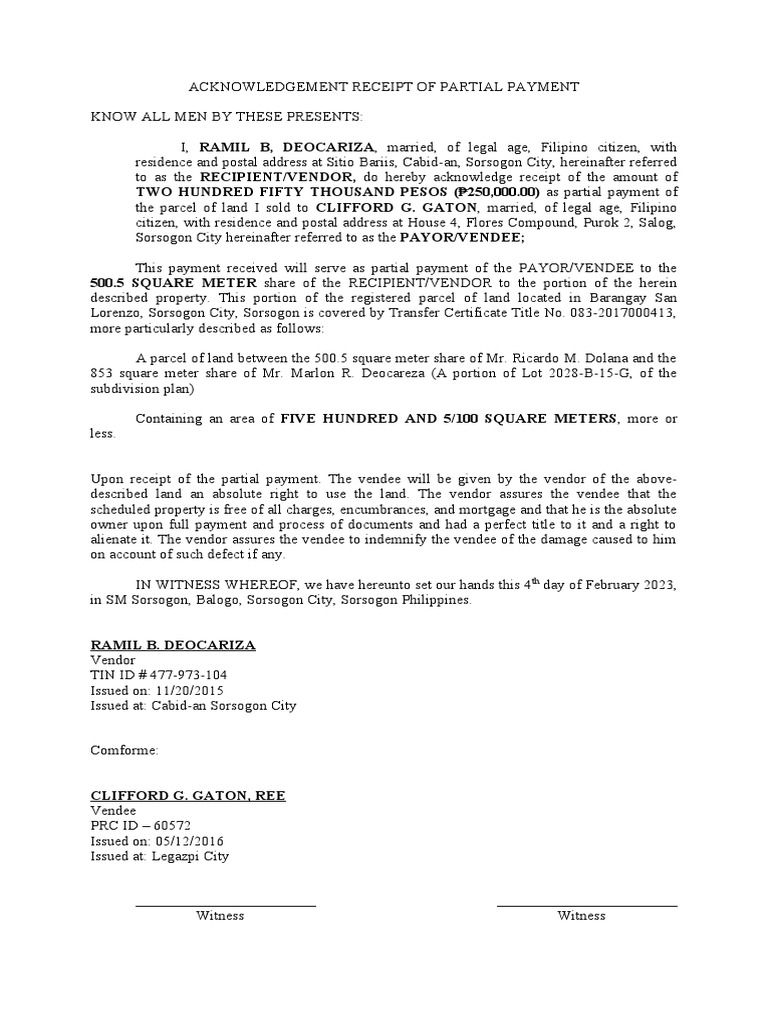
It is always advisable for tenants to meticulously document any partial payment made. This includes keeping receipts, bank statements, or copies of checks. If paying in cash, request a signed receipt from the landlord detailing the amount, date, and what it covers. This documentation serves as crucial evidence should any dispute arise regarding the payment or remaining balance.
Understanding Remaining Obligations and Balances
A partial payment does not absolve a tenant of their full financial obligation. The remaining balance is still due, and the landlord can typically pursue it. Tenants should understand the exact amount still owed and the deadline for its payment. Failure to pay the remainder can still lead to eviction, even if a partial payment was accepted. Therefore, tenants must be clear on what happens if landlord accepts partial payment and their continuing responsibilities.
Landlord’s Strategic Options Post-Acceptance of Partial Payment
Even after accepting a partial payment, landlords have several strategic options to protect their interests. These actions can help mitigate the risks associated with accepting less than the full rent. Proactive measures are always better than reactive ones in these situations.
Issuing a Valid “Pay or Quit” Notice for the Remainder
After accepting a partial payment, a landlord can issue a new “Pay or Quit” notice for the remaining balance. This notice clearly states the outstanding amount and gives the tenant a specific timeframe to pay or face eviction. This strategy helps to re-establish the landlord’s right to evict for non-payment of the full, agreed-upon rent.
Formalizing a Repayment Plan Agreement
A landlord might choose to formalize a repayment plan with the tenant for the outstanding balance. This written agreement should detail the payment schedule, amounts, and consequences of default. A clear repayment plan can prevent future disputes and provide a structured approach to recovering the full rent owed. This is a practical way to manage what happens if landlord accepts partial payment.
Reserving Rights: The Importance of Written Communication
To avoid waiving eviction rights, landlords should always provide written communication reserving their rights when accepting a partial payment. This letter should explicitly state that the partial payment is accepted without waiving the right to pursue the remaining balance or to proceed with eviction. This clear documentation is vital for protecting the landlord’s legal position. For example, a landlord might state: “This partial payment of [Amount] is accepted, but does not waive our right to the full rent of [Total Rent] or to pursue eviction for the outstanding balance.”
- Always provide written notice when accepting partial rent.
- Clearly state that the partial payment does not waive any rights.
- Specify the remaining balance and the due date.
Preventing Disputes: Best Practices for Partial Payment Scenarios
Preventing disputes related to partial payments involves clear communication and formal agreements. Both landlords and tenants benefit from understanding best practices to avoid misunderstandings and legal battles. Proactive steps can save significant time and resources.
Clear Communication Before Accepting or Offering Partial Rent
Before any partial payment is made or accepted, both parties should engage in clear and open communication. Tenants should explain their situation and propose a partial payment plan. Landlords should clearly state their policy on partial payments and any conditions for acceptance. This upfront discussion can prevent many future problems.
The Value of Written Partial Payment Agreements
Any agreement regarding partial payments should always be in writing. This document should outline the amount paid, the remaining balance, the new due date for the remainder, and any specific conditions. A written agreement protects both parties by providing a clear record of the understanding. This is especially important when considering what happens if landlord accepts partial payment and how it impacts future actions.
- Discuss the partial payment openly and honestly.
- Get all agreements in writing, signed by both parties.
- Specify the exact amount paid and the remaining balance.
- Clearly state new payment deadlines.
Frequently Asked Questions
Can a landlord refuse a partial rent payment?
Yes, in most jurisdictions, a landlord has the right to refuse a partial rent payment. They are generally entitled to the full amount specified in the lease agreement. Refusing a partial payment allows the landlord to maintain their right to pursue eviction for the full non-payment of rent. However, once accepted, what happens if landlord accepts partial payment can become more complicated.
Does accepting partial payment reset the eviction process timeline?
In many states, accepting a partial payment without a clear written reservation of rights can indeed reset the eviction process timeline. This means the landlord may need to issue a new eviction notice and restart the legal proceedings from the beginning. This is a critical consideration for landlords.
What if a landlord consistently accepts partial payments?
If a landlord consistently accepts partial payments over an extended period without formal objection or reservation of rights, a court might interpret this as establishing a new pattern of payment. This could make it more challenging for the landlord to suddenly demand full payment or to evict based on the original lease terms. It effectively alters the understanding of what happens if landlord accepts partial payment over time.
Conclusion: Navigating Partial Payments Effectively
Understanding what happens if landlord accepts partial payment is essential for both parties in a rental agreement. For landlords, accepting partial rent without proper documentation and reservation of rights can jeopardize eviction proceedings and create legal complexities. For tenants, making partial payments requires clear communication and meticulous record-keeping to avoid misunderstandings and further debt.
Ultimately, clear communication and written agreements are the best tools for managing partial payment scenarios. Both landlords and tenants should familiarize themselves with their local landlord-tenant laws and always seek professional legal guidance when in doubt. This proactive approach ensures that rights are protected and disputes are minimized. For more detailed information on landlord-tenant laws, consider resources like Nolo’s guide on Landlord-Tenant Law .