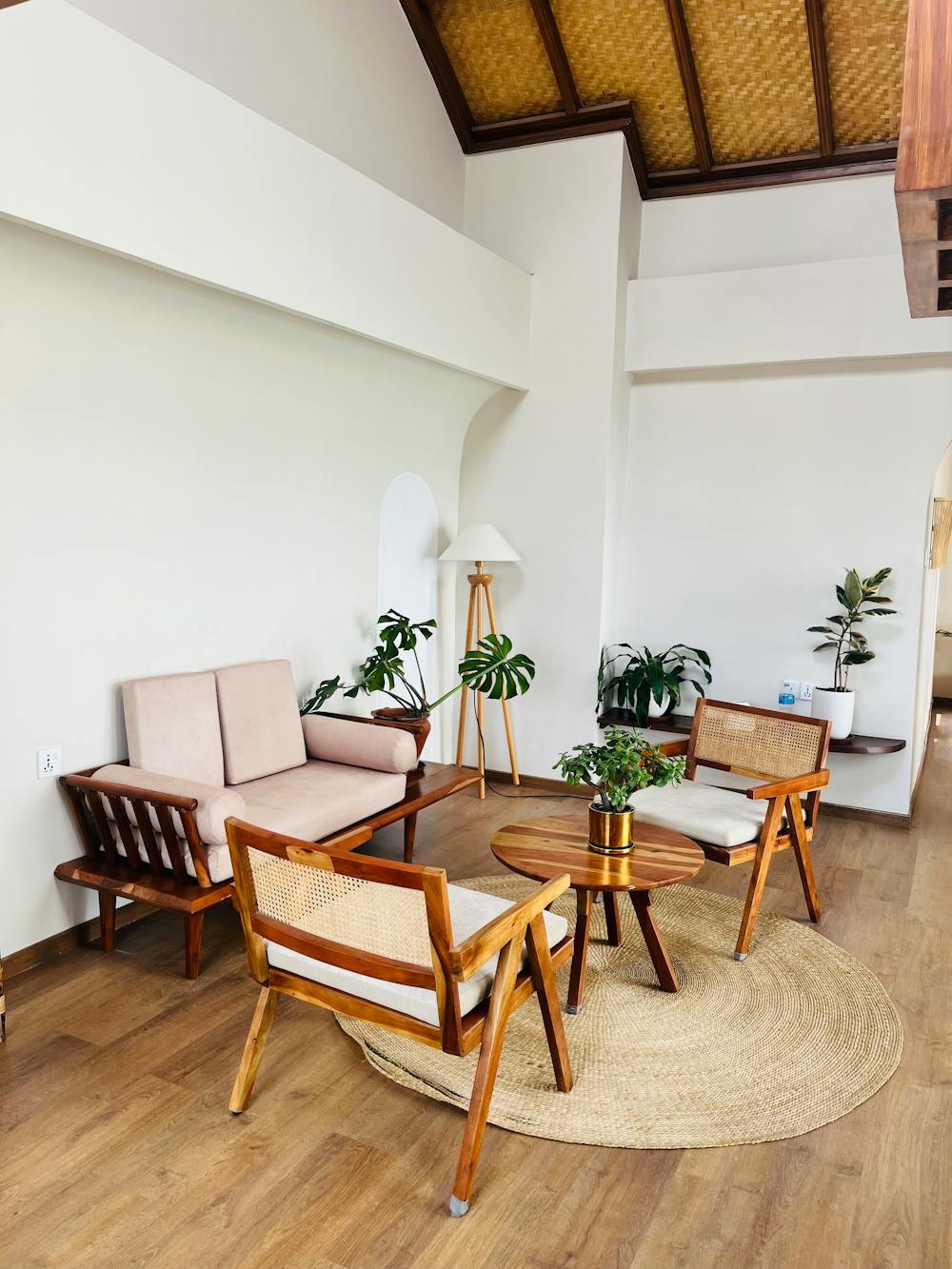
Are you seeking a design aesthetic that perfectly balances classic elegance with contemporary simplicity? Look no further than the transitional home decor style guide. This popular approach offers the best of both worlds, creating spaces that feel both sophisticated and incredibly inviting. Before diving in, let’s clarify what a transitional home decor style guide actually means, as it’s more than just a passing trend; it’s a timeless design philosophy that brings comfort and refined taste together seamlessly.
Understanding Transitional Home Decor Style
The transitional style is renowned for its ability to bridge the gap between traditional and modern aesthetics. It avoids the ornate details of classic designs while steering clear of the stark minimalism often found in purely contemporary spaces. This creates an environment that feels fresh and current, yet deeply rooted in comfort and familiarity. Therefore, many homeowners find it to be the ideal solution for a lasting and adaptable interior.
Defining the Transitional Aesthetic: A Fusion of Eras
At its heart, the transitional aesthetic is about harmonious blending. It takes the clean lines and understated forms of modern design and softens them with the warmth and classic proportions of traditional elements. Think of it as a curated mix, where each piece contributes to a balanced and cohesive whole. Consequently, rooms designed in this style often feel both elegant and utterly livable, embodying a sense of enduring appeal.
The Core Principles of Transitional Design
Several key principles underpin the success of a transitional space. Firstly, balance is paramount, ensuring neither traditional nor modern elements overwhelm the other. Secondly, simplicity in form and function is highly valued, reducing clutter and promoting a sense of calm. Furthermore, a neutral color palette provides a serene backdrop, allowing textures and subtle patterns to add depth and interest. This thoughtful approach defines the essence of a truly effective transitional home decor style guide.
- Balance: Achieve equilibrium between old and new.
- Simplicity: Embrace clean lines and uncluttered spaces.
- Neutrality: Utilize calming color palettes as a foundation.
- Comfort: Prioritize inviting and functional furnishings.
- Texture: Introduce varied materials for visual interest.
Key Elements of Transitional Decor: Building Blocks of Style
Crafting a transitional interior involves carefully selecting specific elements that contribute to its distinctive look. From furniture to finishes, each choice plays a crucial role in achieving the desired balance. Understanding these building blocks is essential for anyone following a transitional home decor style guide. Ultimately, these elements work in concert to create a cohesive and welcoming atmosphere.
Furniture Choices: Comfort Meets Sophistication
Transitional furniture typically features clean, straight lines but with soft, rounded edges, offering a less rigid feel than purely modern pieces. Sofas and chairs are often upholstered in neutral fabrics, prioritizing comfort and durability. Additionally, pieces might incorporate elements like exposed wood or metal accents, subtly nodding to both traditional craftsmanship and contemporary design. A well-chosen furniture collection is fundamental to any successful transitional home decor style guide.
You’ll often find substantial, yet unfussy, pieces that provide ample seating and storage without appearing bulky. For example, a classic chesterfield sofa might be reinterpreted with simpler tufting and a more streamlined silhouette. This thoughtful selection ensures functionality without sacrificing aesthetic appeal, making the space both practical and beautiful.
Color Palettes, Textures, and Materials for Transitional Homes
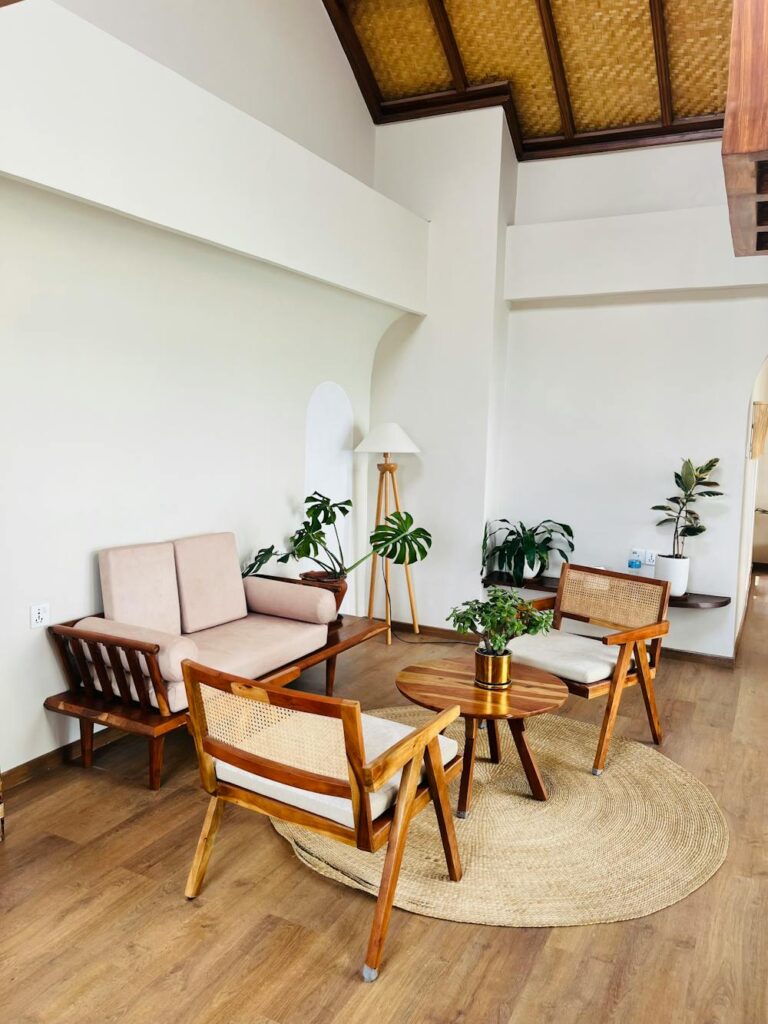
The color scheme in transitional design leans heavily on neutrals: shades of gray, beige, cream, and taupe are foundational. These serene hues create a calming backdrop, allowing texture to come to the forefront. Rich textures like linen, wool, velvet, and natural wood add warmth and depth without introducing busy patterns. Consequently, the overall effect is one of understated elegance and quiet luxury.
- Colors: Greys, beiges, creams, taupes, soft whites.
- Textures: Linen, wool, velvet, leather, natural fibers.
- Materials: Dark woods, polished metals (nickel, bronze), glass, stone.
Lighting and Accessories in Transitional Spaces
Lighting in a transitional setting often blends traditional forms with modern finishes or vice versa. For instance, a classic chandelier might feature a sleek, metallic finish, or a contemporary pendant could incorporate a more intricate glass shade. Accessories are kept minimal and purposeful, chosen for their aesthetic appeal and ability to enhance the room’s character. Furthermore, art pieces often feature abstract or landscape themes, adding color and personality without overwhelming the space.
Consider incorporating a mix of task, ambient, and accent lighting to create layers of illumination. Decorative objects like sculptural vases, framed photographs, or a few well-placed books contribute to the curated feel. Remember, the goal is to enhance, not clutter, ensuring every accessory serves a purpose in your transitional home decor style guide.
Designing Transitional Rooms: A Style Guide for Every Space
Applying the transitional style across different rooms requires a consistent approach while allowing for individual room functions. This adaptability is one of the greatest strengths of the transitional aesthetic. Whether it’s a bustling kitchen or a peaceful bedroom, the principles of balance and understated elegance remain constant. Therefore, a well-executed transitional home decor style guide ensures harmony throughout your entire residence.
Living Room & Dining Room Transitional Decor Ideas
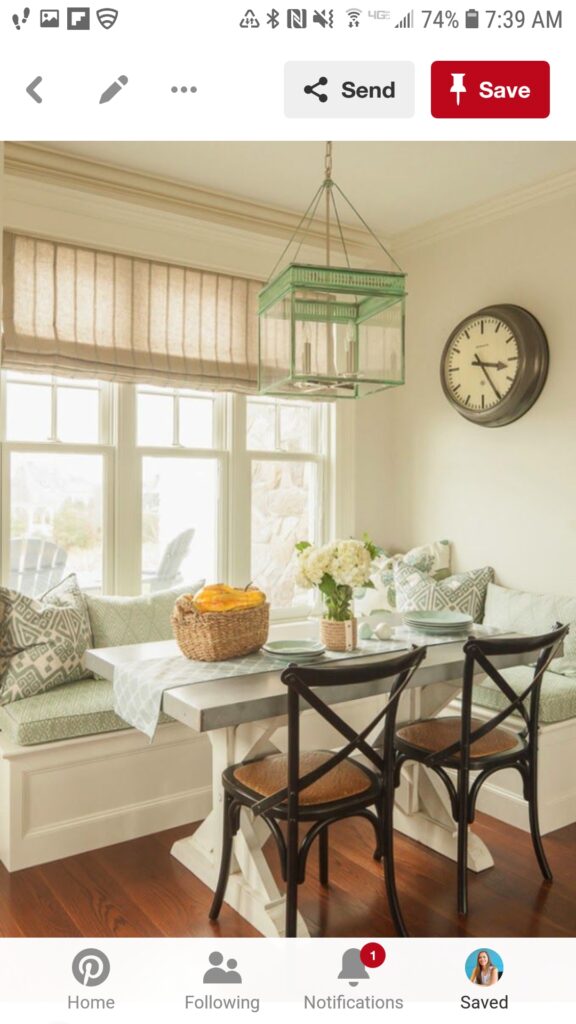
In living rooms, pair a comfortable, neutral-toned sofa with two accent chairs that might have a slightly more modern or traditional silhouette. Use a sleek coffee table with a wooden top and metal legs, for example. For dining rooms, consider a classic wooden table with upholstered chairs that have clean lines. A large, simple area rug can anchor both spaces, adding warmth and defining the zones.
- Combine a plush sofa with tailored armchairs.
- Select a coffee table that mixes materials like wood and metal.
- Use a large, neutral rug to define the seating area.
- Choose a dining table with clean lines and comfortable seating.
Transitional Bedrooms & Bathrooms: Serene Sanctuaries
Bedrooms benefit greatly from the transitional style’s emphasis on comfort and calm. Opt for a padded headboard in a neutral fabric, layered with luxurious bedding in varying textures. Keep nightstands simple, perhaps with a touch of metal or dark wood. In bathrooms, combine classic subway tiles with a modern vanity and sleek fixtures. A large, frameless mirror can further enhance the contemporary feel, while warm wood accents provide a traditional touch. This approach creates a truly serene sanctuary.
Kitchens and Entryways with Transitional Flair
Transitional kitchens often feature shaker-style cabinets, which bridge traditional and modern perfectly. Pair them with simple hardware, a classic subway tile backsplash, and contemporary stainless steel appliances. A large island with a natural stone countertop can serve as a focal point. For entryways, a console table with clean lines, a large mirror, and a simple, elegant light fixture set a welcoming tone. These spaces should feel both functional and aesthetically pleasing, setting the stage for the rest of your home.
Mastering the Transitional Look: Tips & Common Pitfalls
Achieving a truly successful transitional design requires a keen eye for detail and a thoughtful approach to mixing elements. It’s about creating a cohesive narrative, not just placing disparate pieces together. By following a structured transitional home decor style guide, you can confidently navigate the design process. Moreover, understanding common mistakes will help you avoid missteps and ensure a polished outcome.
Balancing Modern and Traditional Elements for a Cohesive Feel
The key to balance lies in proportion and repetition. If you have a very traditional piece, balance it with several simpler, modern items. Conversely, a minimalist room can be warmed by a few classic accents. Use similar finishes or materials throughout the space to create visual continuity. Furthermore, don’t be afraid to experiment, but always step back and assess if the room feels harmonious. This careful consideration is vital for any transitional home decor style guide.
- Start with a neutral foundation for walls and large furniture.
- Introduce traditional elements through architectural details or classic art.
- Incorporate modern touches with lighting, accessories, and sleek finishes.
- Ensure a consistent color palette and material flow throughout the room.
- Edit ruthlessly to avoid clutter and maintain clean lines.
Avoiding Common Transitional Decor Mistakes
One common pitfall is going too far in one direction, making the space feel either too traditional or too modern. Another mistake is introducing too many competing styles, leading to a disjointed look. Avoid excessive ornamentation or clutter, as simplicity is a hallmark of transitional design. Additionally, neglecting texture can make a neutral room feel bland, so always layer different materials. By being mindful of these errors, you can perfect your transitional home decor style guide.
Why Choose Transitional Style? Benefits and Appeal
The enduring popularity of transitional design is no accident; it offers a multitude of benefits that resonate with contemporary lifestyles. This style provides a versatile foundation that can evolve with your tastes and trends. Consequently, it’s an excellent choice for those seeking a sophisticated yet practical aesthetic. The appeal of a well-executed transitional home decor style guide is undeniable.
Versatility and Timelessness of Transitional Design
Transitional style is incredibly versatile, adapting effortlessly to different architectural styles and personal preferences. Its balanced nature means it rarely feels dated, offering a timeless appeal that transcends fleeting trends. This makes it a smart investment for your home, as you won’t feel the need for frequent overhauls. Furthermore, its ability to blend allows for easy updates with new accessories or art. For more insights into interior design styles, visit Wikipedia’s page on Interior Design.
Creating a Cohesive and Inviting Home with Transitional Decor
Ultimately, transitional decor excels at creating homes that are both cohesive and deeply inviting. The emphasis on comfort, combined with elegant simplicity, fosters an atmosphere of relaxed sophistication. Rooms flow seamlessly into one another, maintaining a consistent aesthetic without feeling repetitive. This results in a home that feels thoughtfully designed, comfortable, and truly reflective of a refined taste. It’s the perfect choice for anyone looking for a comprehensive transitional home decor style guide.
Frequently Asked Questions About Transitional Home Decor
What is the difference between transitional and modern style?
Transitional style blends traditional warmth with modern clean lines, creating a softer, more approachable look. Modern style, conversely, is typically more minimalist, often featuring starker lines, less ornamentation, and a focus on industrial materials. While both prioritize simplicity, transitional design incorporates more comfort and classic elements, whereas modern design leans towards strict functionality and sleekness.
Can I mix transitional decor with other styles?
Absolutely! Transitional decor is inherently adaptable, making it an excellent base for mixing with other styles. For example, you can introduce elements of modern farmhouse, industrial, or even bohemian chic through carefully chosen accessories, art, or a single accent piece. The key is to maintain the transitional style’s neutral foundation and balanced proportions, ensuring the added elements enhance rather than clash with the existing aesthetic.
What are the best colors for a transitional home?
The best colors for a transitional home are typically a sophisticated palette of neutrals. Think various shades of gray, warm beige, creamy off-whites, and soft taupes. These colors provide a serene and versatile backdrop. You can introduce subtle pops of color through accessories like throw pillows, artwork, or a single accent chair in muted blues, greens, or even deep plums. The goal is to create a calming and cohesive environment.
Conclusion: Embrace Your Transitional Home Decor Style
The transitional home decor style guide offers a truly versatile and timeless approach to interior design. By skillfully blending the best of traditional comfort with modern simplicity, it creates spaces that are both elegant and incredibly livable. This style is perfect for those who appreciate sophistication without sacrificing warmth and functionality. It provides a foundation that can evolve with your life, ensuring your home remains a sanctuary of style.
Ready to transform your living spaces? Start applying the principles of this transitional home decor style guide today. Experiment with textures, embrace neutral palettes, and carefully curate your furnishings to create a home that feels uniquely yours. Share your transitional design journey with us, and let your home reflect the perfect balance of classic charm and contemporary flair!