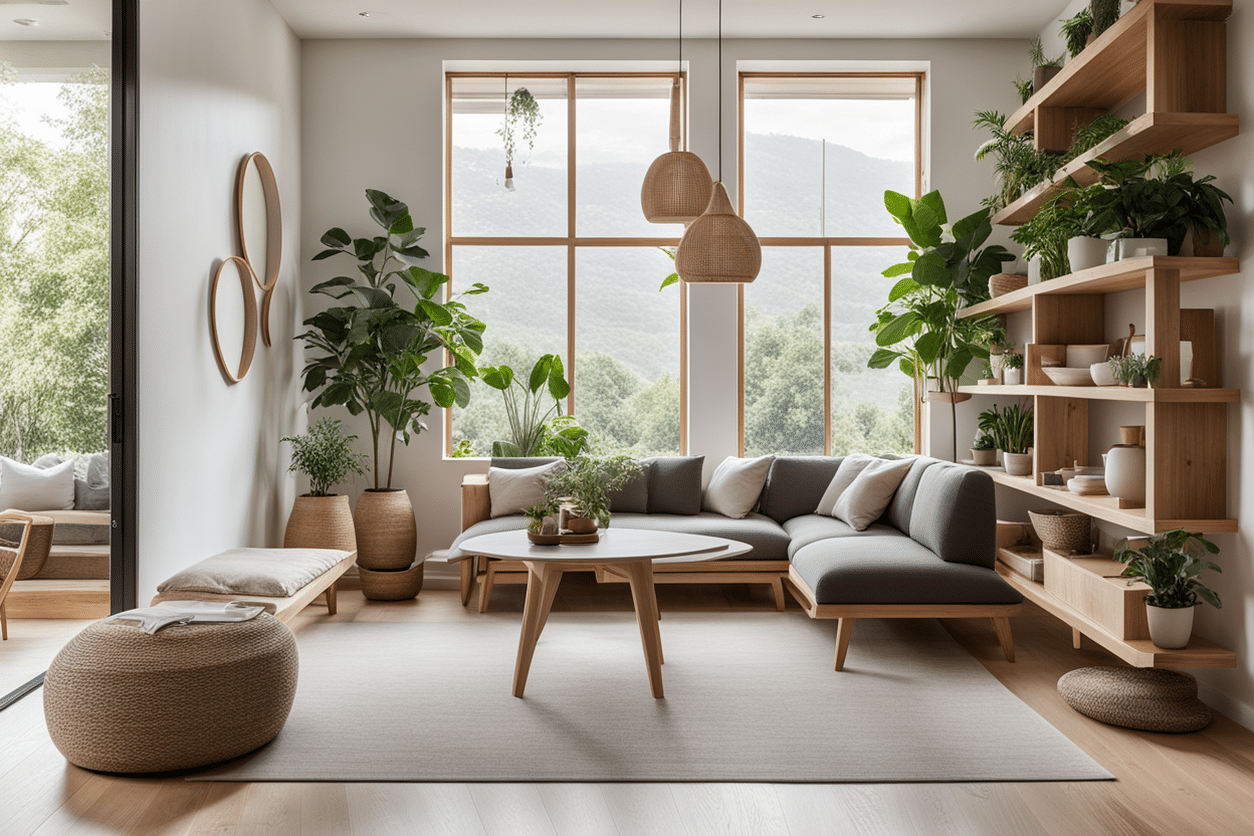
Are you seeking a harmonious blend of minimalist aesthetics and cozy comfort for your living spaces? This comprehensive Japandi home decor style guide will illuminate the path. Japandi is a rising interior design trend that marries the rustic warmth of Scandinavian design with the elegant simplicity of Japanese aesthetics. Before diving in, let’s clarify what this captivating style actually means and how it can transform your home into a serene sanctuary.
Understanding the Japandi Home Decor Style Guide
The Japandi home decor style guide represents a beautiful fusion. It combines the functional minimalism of Scandinavian design with the timeless elegance of Japanese aesthetics. This unique blend creates spaces that are both practical and profoundly peaceful. Furthermore, it emphasizes natural materials and thoughtful simplicity.
The Fusion of Japanese Wabi-Sabi and Scandinavian Hygge
Japandi draws heavily from two distinct philosophies. Japanese Wabi-Sabi embraces imperfection, transience, and natural beauty. It values authenticity and the inherent character of objects. Conversely, Scandinavian Hygge focuses on creating a cozy, comfortable, and content atmosphere. It prioritizes warmth and well-being.
This powerful combination results in interiors that feel both refined and incredibly inviting. Therefore, a Japandi space is never sterile or overly stark. It always maintains a sense of lived-in comfort and organic charm. The merging of these concepts forms the very essence of the Japandi home decor style guide.
Key Philosophies: Simplicity, Functionality, and Nature
At its core, Japandi champions simplicity. Every item in a Japandi home serves a purpose or brings joy. This commitment to functionality reduces clutter and enhances usability. Additionally, a deep connection to nature is paramount.
Natural light, organic materials, and indoor plants are integral elements. They bring the calming influence of the outdoors inside. This focus on natural elements creates a tranquil environment. It helps achieve the serene atmosphere central to the Japandi home decor style guide.
Key Elements of Japandi Home Decor
To truly embrace Japandi, understanding its foundational elements is crucial. This style prioritizes intentional design choices over excessive decoration. It focuses on creating a balanced and calming environment. Therefore, every piece contributes to the overall aesthetic.
Embracing Minimalism and Decluttering in Japandi Spaces
Minimalism is a cornerstone of the Japandi aesthetic. It involves carefully curating possessions and eliminating unnecessary items. This practice creates open, breathable spaces. Furthermore, decluttering promotes a sense of calm and clarity. It allows the beauty of essential pieces to shine.
The goal is not emptiness, but rather intentionality. Each object should have a purpose or evoke a feeling. This approach ensures that your home feels spacious and uncluttered. It helps achieve the peaceful environment characteristic of the Japandi home decor style guide.
The Beauty of Imperfection and Natural Materials
Japandi celebrates the raw beauty of natural materials. Think of woods with visible grain, hand-thrown pottery, and woven textiles. These elements add texture and warmth. They also introduce a sense of authenticity and character. Imperfections are not hidden but rather appreciated.
This appreciation for natural forms connects back to the Wabi-Sabi philosophy. It reminds us of the beauty in the unique and the aged. Therefore, choose materials that tell a story. They should showcase their natural origins and craftsmanship.
The Importance of Craftsmanship and Durability
Investment in high-quality, durable pieces is a hallmark of Japandi design. This style values items that are built to last. It prioritizes skilled craftsmanship over mass-produced goods. Choosing well-made furniture and decor reduces waste. It also ensures longevity.
Furthermore, these pieces often become cherished heirlooms. They contribute to a sustainable and mindful way of living. This focus on quality aligns perfectly with the core principles of the Japandi home decor style guide. It ensures lasting beauty and function.
Achieving the Japandi Aesthetic in Every Room
Integrating the Japandi aesthetic can transform your entire home. Each room can benefit from its principles of simplicity and serenity. The key is consistent application of the style’s core elements. This creates a cohesive and tranquil flow throughout your living space.
Japandi Living Room Ideas: Comfort and Calm
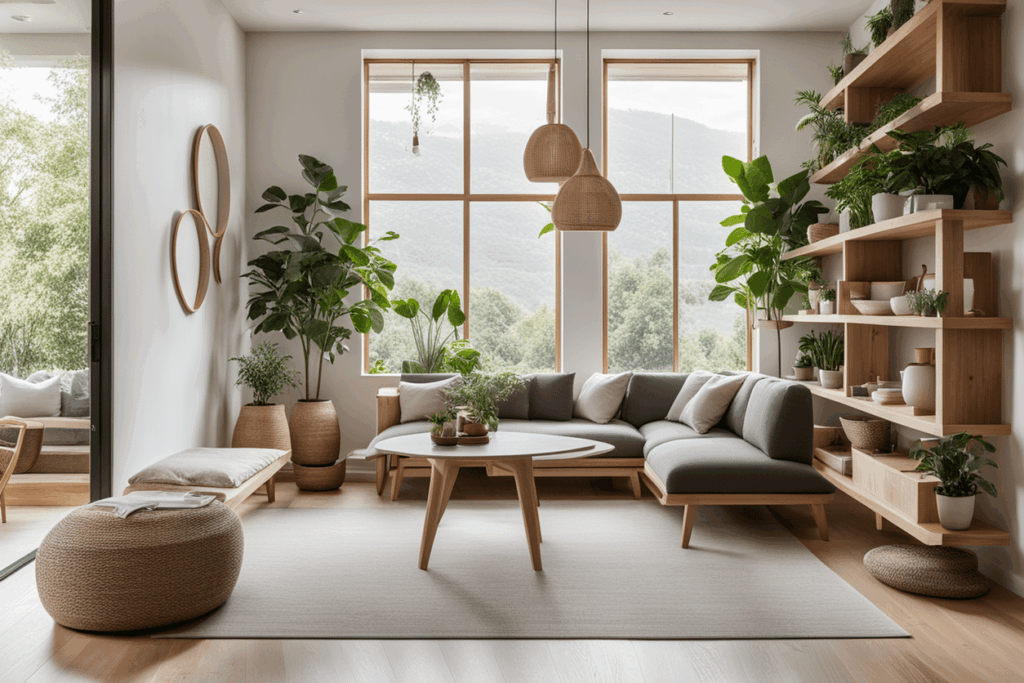
For your living room, focus on low-slung furniture with clean lines. A comfortable, neutral-toned sofa is essential. Add textured throws and cushions for warmth. Consider a simple wooden coffee table and a few well-chosen plants. These elements create an inviting yet uncluttered space.
- Choose low-profile sofas and chairs.
- Incorporate natural wood coffee tables.
- Add soft, textured textiles like linen or wool.
- Place a few carefully selected green plants.
Creating a Serene Japandi Bedroom Retreat
Your bedroom should be a true sanctuary. Opt for a low platform bed and crisp, natural bedding in muted tones. Minimize clutter on nightstands. Use soft, diffused lighting to enhance relaxation. A simple wooden bench or a single piece of art can complete the look. This ensures a peaceful sleeping environment.
Functional and Stylish Japandi Kitchen & Dining Areas
In the kitchen, prioritize functionality and clean surfaces. Open shelving can display minimalist pottery or glassware. Choose natural wood or stone countertops. The dining area should feature a sturdy, simple wooden table and comfortable chairs. This creates an inviting space for meals. It also keeps the focus on shared experiences.
Japandi Bathroom Design: A Spa-like Experience
Transform your bathroom into a serene spa-like retreat. Use natural stone tiles or wood accents. Keep toiletries neatly organized and out of sight. Add a simple plant or a few carefully chosen natural sponges. Soft, warm lighting further enhances the calming atmosphere. This creates a tranquil space for self-care.
Japandi Furniture, Materials, and Textures
The selection of furniture and materials is paramount in defining the Japandi style. Each choice contributes to the overall feeling of calm and authenticity. Focus on pieces that are both beautiful and functional. They should also embody the principles of durability and natural appeal.
Furniture Selection: Low-Profile, Clean Lines, and Ergonomics
Japandi furniture often features a low profile, reflecting Japanese design principles. This creates a sense of openness and spaciousness. Clean lines and minimal ornamentation are key. Prioritize ergonomic designs that offer comfort and support. Consider pieces made from light-colored woods like birch or ash, or darker woods like walnut. These choices define the Japandi home decor style guide.
- Select low-slung sofas and beds.
- Look for furniture with simple, unadorned lines.
- Prioritize comfort and ergonomic design.
- Choose natural wood finishes.
Natural Materials: Wood, Bamboo, Rattan, and Stone
Natural materials are central to the Japandi aesthetic. Wood is a primary component, often left in its natural finish. Bamboo, rattan, and wicker add texture and warmth. Stone, whether in flooring or decorative accents, brings an earthy grounding element. These materials connect the interior to nature. They also introduce a tactile richness to the space.
Textural Contrast: Linen, Wool, Cotton, and Ceramics
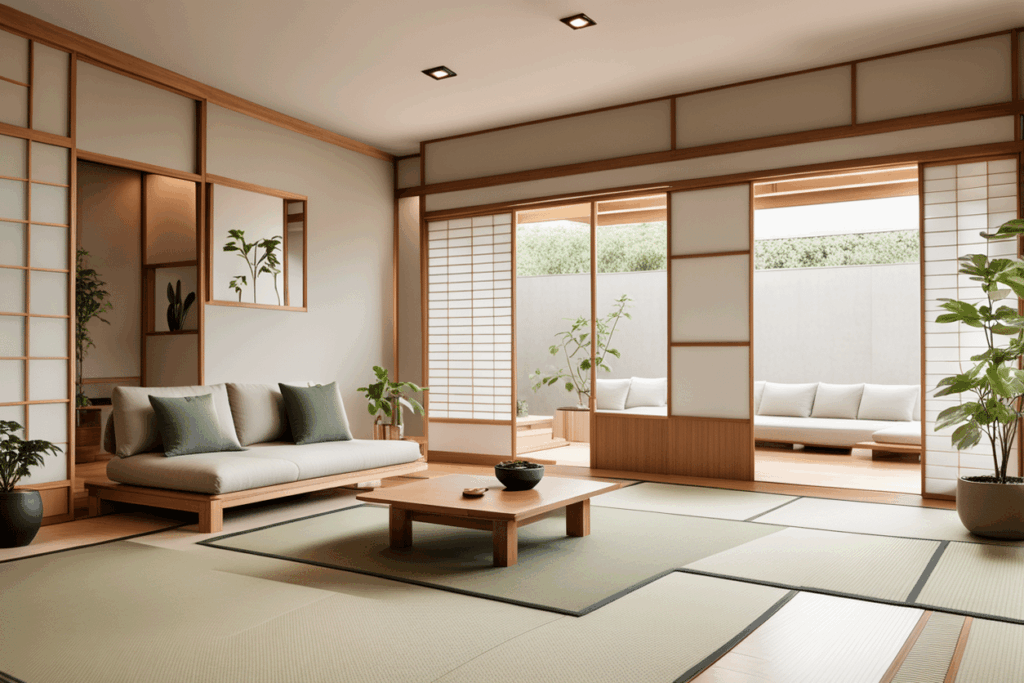
While the palette is often muted, texture provides depth. Linen curtains, wool throws, and cotton cushions add softness. Hand-thrown ceramics, whether for tableware or decorative vases, introduce artisanal charm. These varied textures create visual interest. They also enhance the cozy, inviting feel. This careful layering is a key aspect of the Japandi home decor style guide.
Color Palettes and Lighting for Japandi Style
The right colors and lighting are crucial for establishing the serene atmosphere of Japandi. They work together to create a sense of calm and openness. The palette is intentionally restrained. This allows natural elements and textures to take center stage.
Japandi Color Schemes: Muted Tones and Earthy Hues
The Japandi palette typically features muted, earthy tones. Think soft grays, warm whites, creamy beiges, and subtle greens. These colors create a calming backdrop. They also allow natural wood tones to stand out. The aim is a harmonious, understated environment. This forms a core part of the Japandi home decor style guide.
Strategic Use of Subtle Accent Colors
While the base is neutral, subtle accent colors can add depth. Deep forest greens, charcoal grays, or even a hint of indigo can be introduced. Use these sparingly in textiles, pottery, or artwork. These accents prevent the space from feeling monotonous. They add visual interest without overwhelming the tranquility. For more inspiration on color palettes, explore resources like Houzz’s Japandi Style Guide.
Lighting Design: Maximizing Natural Light and Ambient Fixtures
Natural light is highly valued in Japandi design. Maximize it with sheer curtains or by keeping windows unobstructed. For artificial lighting, choose warm, ambient fixtures. Paper lanterns, minimalist sconces, and floor lamps with soft glows are ideal. Layered lighting creates a cozy and inviting atmosphere. It avoids harsh, overhead illumination. This thoughtful approach to light is vital for the Japandi home decor style guide.
Integrating Japandi Decor into Your Home
Successfully integrating Japandi involves more than just selecting furniture. It’s about creating a cohesive environment. Every detail contributes to the overall sense of peace and balance. This intentional approach ensures a truly harmonious space.
Thoughtful Decor Accents: Pottery, Plants, and Art
Decor accents in Japandi style are minimal but impactful. Hand-thrown pottery, often in organic shapes, adds an artisanal touch. Indoor plants, especially those with simple forms like snake plants or ferns, bring life. Artwork should be abstract or nature-inspired, with muted colors. Each piece should be chosen with care. It should contribute to the serene aesthetic.
Consider displaying a single, striking piece rather than many small items. This approach reinforces the minimalist philosophy. It allows each accent to be fully appreciated. Thoughtful placement is key to maintaining balance. This helps to define your Japandi home decor style guide.
Creating Flow and Harmony in Japandi Interiors
Achieving flow and harmony means ensuring a seamless transition between rooms. Maintain a consistent color palette and material selection throughout your home. This creates a sense of continuity. Open layouts are often preferred. They enhance the feeling of spaciousness. Consider how light moves through your home. Also, think about how different areas connect visually. for tips on open-plan living.
Budget-Friendly Japandi Home Decor Tips
You don’t need a large budget to embrace Japandi. Start by decluttering your existing space. Focus on natural textures by adding linen throws or cotton cushions. Look for second-hand wooden furniture that can be restored. DIY projects like creating simple pottery can also add character. These small changes can make a big impact. They help you achieve the Japandi home decor style guide without overspending.
Frequently Asked Questions
What’s the main difference between Japandi and Scandinavian style?
While both styles prioritize minimalism and functionality, Japandi introduces a darker, more sophisticated color palette and a greater emphasis on raw, imperfect natural materials, reflecting Japanese Wabi-Sabi. Scandinavian style often leans towards lighter woods and brighter whites, with a focus on coziness (Hygge). Japandi also incorporates more deliberate, low-profile furniture designs.
Can I mix existing furniture with Japandi elements?
Absolutely. Japandi is about intentionality, not strict adherence. You can integrate existing pieces by ensuring they align with the Japandi principles of clean lines, natural materials, or a neutral color palette. Consider painting furniture in a muted tone or adding Japandi-inspired textiles and plants to bridge the styles. The key is to create balance and avoid clutter.
How do I maintain a minimalist Japandi home?
Maintaining a Japandi home requires consistent decluttering and organization. Implement a “one in, one out” rule for new purchases. Designate specific places for all items to avoid visual clutter. Regularly review your possessions and remove anything that doesn’t serve a purpose or bring joy. This ongoing practice ensures your space remains serene and functional, embodying the true Japandi home decor style guide.
Is Japandi style suitable for small spaces?
Yes, Japandi style is exceptionally well-suited for small spaces. Its emphasis on minimalism, clean lines, and functionality helps to maximize space and create an open, airy feel. Low-profile furniture enhances visual space, while a neutral color palette makes rooms appear larger. The focus on essential items reduces clutter, which is crucial in compact living areas.
Conclusion: Embrace the Japandi Home Decor Style
The Japandi home decor style guide offers a refreshing approach to interior design. It beautifully merges the best of Japanese and Scandinavian aesthetics. This creates spaces that are both functional and profoundly peaceful. By embracing minimalism, natural materials, and thoughtful design, you can transform your home. It will become a sanctuary of calm and comfort.
Begin your journey today towards a more harmonious living environment. Consider how these principles can enhance your daily life. The enduring appeal of Japandi lies in its ability to foster tranquility and appreciation for simplicity. Start incorporating elements of this style into your home. Discover the serene beauty of the Japandi home decor style guide for yourself.