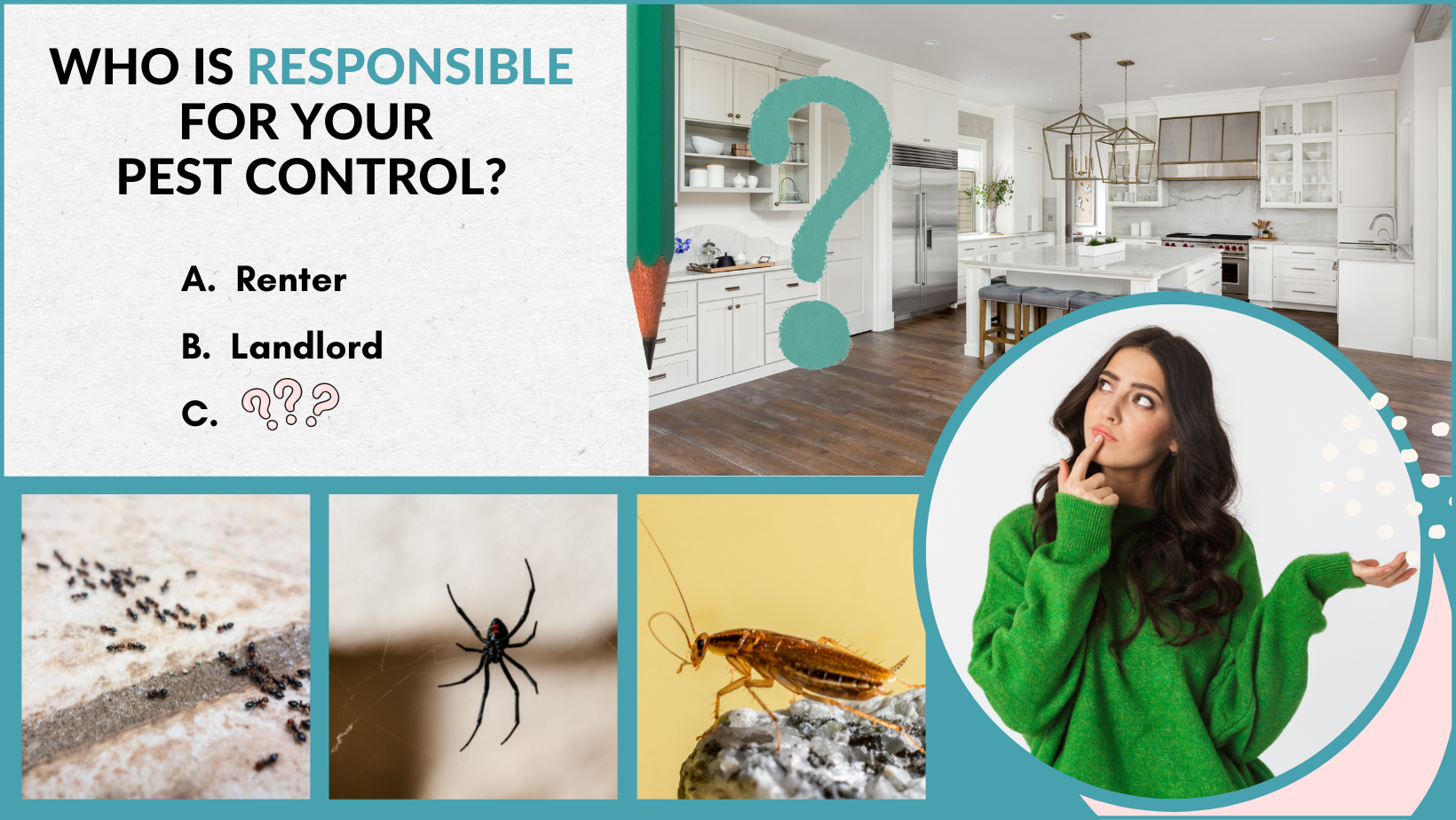
Navigating the complexities of rental agreements can often be challenging, especially when unexpected issues arise. A common concern for both tenants and landlords revolves around pest infestations. Therefore, understanding is the landlord responsible for pest control is crucial for maintaining a habitable living environment. Generally, landlords are responsible for pest control in most situations, particularly for pre-existing issues or those stemming from structural problems. This guide will clarify the specific responsibilities of each party, ensuring you know your rights and duties.
General Landlord Pest Control Responsibility
Landlords typically bear the primary responsibility for maintaining a pest-free property. This obligation often stems from legal doctrines and specific clauses within lease agreements. Furthermore, state and local laws frequently dictate these responsibilities, providing a framework for resolution. Tenants should always review their lease carefully for any explicit mentions of pest control duties.
The Implied Warranty of Habitability
Most jurisdictions uphold an “implied warranty of habitability.” This legal principle means landlords must provide a safe and livable rental unit. A severe pest infestation, such as rodents or cockroaches, can render a property uninhabitable. Consequently, the landlord is usually responsible for addressing these issues promptly to restore habitability. This warranty applies even if it’s not explicitly written in the lease agreement.
Lease Agreements and Pest Clauses
Many lease agreements contain specific clauses outlining pest control responsibilities. Some leases might state that the landlord is responsible for all pest control, while others may shift certain duties to the tenant. It is vital to read your lease thoroughly before signing. If a clause seems ambiguous, seek clarification from your landlord or legal counsel before moving in.
Local and State Laws: A Crucial Factor
The question of is the landlord responsible for pest control heavily depends on local and state regulations. These laws vary significantly across different areas. For instance, some states mandate landlord responsibility for all pest types, while others differentiate based on the pest or the cause of the infestation. Always research your specific municipal and state housing codes to understand your rights and obligations. You can often find this information on your city or state’s official government websites.
When is the Landlord Responsible for Pest Control?
Several scenarios typically place the burden of pest control squarely on the landlord. These situations often involve issues beyond the tenant’s control or those present before occupancy. Understanding these distinctions helps clarify who should act when pests appear. It also ensures timely resolution of the problem.
Pre-Existing Infestations Before Move-In
If a pest infestation exists before a tenant moves into the property, the landlord is almost always responsible. This includes pests like cockroaches, rodents, or termites already present. Tenants should document any signs of pests during their initial walkthrough. Therefore, taking photos or videos can provide crucial evidence should a dispute arise later. This evidence helps prove the issue was not tenant-caused.
Structural Issues Causing Pests (e.g., Holes, Cracks)
Pests often enter properties through structural deficiencies. Examples include cracks in foundations, holes in walls, or gaps around windows and doors. The landlord is responsible for maintaining the structural integrity of the building. Consequently, they must repair these issues and address any resulting pest problems. This falls under their duty to maintain a habitable living space.
Pests in Common Areas or Multi-Unit Buildings
In multi-unit buildings, pests can easily spread between apartments or originate in common areas. For instance, an infestation in a shared hallway or laundry room is the landlord’s responsibility. Furthermore, if pests like rodents or cockroaches infest multiple units, the landlord must implement building-wide pest control measures. This prevents recurrence and protects all residents. This is a clear case of is the landlord responsible for pest control.
When is the Tenant Responsible for Pest Control?
While landlords bear significant responsibility, tenants also have duties regarding pest prevention and control. Certain situations can shift the financial and logistical burden to the tenant. Understanding these circumstances is vital for both parties. It helps prevent misunderstandings and ensures prompt action.
Pests Caused by Tenant Negligence or Unsanitary Conditions
Tenants become responsible for pest control if their actions directly cause the infestation. This includes poor hygiene, excessive clutter, or leaving food out regularly. For example, if a tenant’s unsanitary habits attract ants or mice, they may be liable for extermination costs. Therefore, maintaining cleanliness is a key tenant responsibility.
Specific Pest Types: The Case of Bed Bugs and Fleas
Bed bugs and fleas present a unique challenge. In some jurisdictions, the initial responsibility for bed bugs may fall to the landlord. However, if it’s proven the tenant introduced them, the responsibility can shift. Fleas are almost always linked to pets. If a tenant’s pet introduces fleas, the tenant is typically responsible for treatment. Always check your lease and local laws for specific rules regarding these pests.
Tenant’s Duty to Report Pest Problems Promptly
Regardless of who is ultimately responsible, tenants have a crucial duty to report any pest problems immediately. Delaying notification can worsen the infestation. This can also make it harder to determine the cause. Prompt reporting allows the landlord to address the issue before it escalates. Failure to report could potentially shift some responsibility to the tenant. This is a critical step in determining is the landlord responsible for pest control.
Navigating State-Specific Pest Control Laws
The legal landscape surrounding pest control responsibilities is not uniform across the United States. Each state, and sometimes even individual cities, may have unique statutes. Therefore, understanding your local laws is paramount. This knowledge empowers both tenants and landlords to act appropriately.
Overview of Different State Approaches to Pests
Some states, like New York, have very strong tenant protection laws. These often place significant pest control burdens on landlords. Conversely, other states might have more lenient regulations, allowing for greater negotiation in lease agreements. It’s essential to consult official government resources. For example, the Department of Housing and Urban Development (HUD) provides general guidance, but local laws are key. The U.S. Department of Housing and Urban Development offers resources on tenant rights.
Rent Control and Pest Control Implications
In areas with rent control, pest control issues can become even more complex. Rent control ordinances often include provisions for maintaining habitable conditions. Failure to address pest infestations could potentially lead to rent abatements or other legal actions against the landlord. Tenants in rent-controlled areas should be especially aware of their rights. They should also understand how these laws interact with pest control responsibilities.
Seeking Legal Advice for Complex Situations
When in doubt, or if a pest problem becomes contentious, seeking legal advice is always recommended. A local tenant rights organization or an attorney specializing in landlord-tenant law can provide invaluable guidance. They can help interpret specific laws and advise on the best course of action. This ensures your rights are protected and responsibilities are met.
What to Do If You Have a Pest Problem
Discovering pests in your home can be distressing. However, taking the correct steps can lead to a swift and effective resolution. Proper documentation and communication are key. This process helps establish a clear timeline and evidence. It also ensures your landlord is fully aware of the situation.
Documenting the Infestation: Photos and Dates
As soon as you notice pests, begin documenting the problem. Take clear photos or videos of the pests, their droppings, or any damage they’ve caused. Note the date and time of discovery. Keep a log of where and when you see the pests. This detailed record provides strong evidence if a dispute arises regarding is the landlord responsible for pest control. It can also help pest control professionals identify the source.
Notifying Your Landlord: Proper Written Communication
Always notify your landlord in writing about the pest problem. An email or certified letter is preferable to a phone call. Include details like the type of pest, where they were found, and the date you discovered them. Request a specific timeline for action. Keep copies of all correspondence. This creates a paper trail, which is crucial for legal purposes. Follow up if you do not receive a timely response.
Next Steps if Your Landlord Fails to Act
If your landlord does not respond or fails to address the pest problem adequately, you have further options. These steps vary by state but may include:
- Sending a formal letter of non-compliance.
- Contacting your local housing authority or health department.
- Seeking legal counsel for potential rent escrow or lease termination.
- In some cases, you might be able to pay for extermination and deduct the cost from rent, but this carries risks and should only be done with legal advice.
Frequently Asked Questions
Can a landlord charge for pest control?
Generally, a landlord cannot charge for pest control if the infestation was pre-existing or caused by structural issues. However, if the tenant’s negligence or unsanitary conditions caused the pests, the landlord may charge for treatment. This often depends on the specific terms of the lease and local laws.
What if I caused the pest problem?
If you caused the pest problem through your actions, such as poor sanitation or introducing pets with fleas, you are likely responsible for the pest control costs. It’s important to promptly inform your landlord regardless. They may still assist or provide guidance on professional services.
Can I withhold rent for pest issues?
Withholding rent for pest issues is a serious step with legal risks. In many states, you can only withhold rent if the landlord has failed to maintain a habitable living space after proper written notice. Even then, specific procedures, like placing rent in an escrow account, must be followed. Always seek legal advice before withholding rent.
How do I prove a pest problem isn’t my fault?
To prove a pest problem isn’t your fault, document everything. Take photos and videos of the pests and any structural issues. Keep a clean home and maintain records of your cleaning routine. If the infestation is widespread in a multi-unit building, it further supports that it’s not tenant-caused. Early and consistent documentation is key.
Does ‘as-is’ mean the landlord isn’t responsible for pests?
An “as-is” clause typically means the tenant accepts the property in its current condition. However, it usually does not negate the implied warranty of habitability. A landlord still has a legal obligation to provide a safe and livable space. A severe pest infestation can violate this warranty, even with an “as-is” clause. Consult legal counsel if this situation arises.
Conclusion: Knowing Your Rights and Responsibilities
Understanding is the landlord responsible for pest control is essential for a harmonious landlord-tenant relationship. While landlords generally hold the primary responsibility for maintaining a pest-free environment, tenants also have crucial duties. These include maintaining cleanliness and promptly reporting any issues. By knowing your rights, documenting problems, and communicating effectively, you can ensure pest infestations are handled appropriately. Always refer to your lease agreement and local housing laws for the most accurate guidance. Empower yourself with knowledge to protect your living space.