Moving into a new home is an exciting milestone, filled with possibilities for creating your dream living space. Understanding how to choose home decor for new homes is crucial for transforming empty rooms into personalized sanctuaries. This guide will walk you through the essential steps, helping you make informed decisions that reflect your taste and lifestyle. We will cover everything from defining your style to budgeting and adding those final, personal touches.
Defining Your Personal Style: The First Step to Choosing Decor
Before you purchase a single item, it is vital to understand your personal aesthetic. This foundational step ensures your decor choices are cohesive and truly represent you. Consider what colors, textures, and forms you naturally gravitate towards. This self-discovery process prevents impulsive buys and creates a harmonious environment.
Discovering Your Aesthetic: Modern, Bohemian, Minimalist, or Traditional?
Explore various interior design styles to see what resonates most with you. Do you prefer clean lines and neutral palettes, characteristic of modern or minimalist design? Perhaps you love eclectic patterns, natural materials, and global influences, which define a bohemian look. Traditional styles often feature classic furniture and rich fabrics. Furthermore, Scandinavian design emphasizes simplicity and functionality, while industrial styles embrace raw materials like metal and exposed brick.
- Modern: Sleek, clean lines, often monochromatic.
- Bohemian: Eclectic, global influences, natural textures.
- Minimalist: Functionality, simplicity, uncluttered spaces.
- Traditional: Classic, ornate details, rich colors.
- Scandinavian: Bright, airy, functional, natural wood.
Considering Your New Home’s Architecture and Layout
Your new home’s existing architecture provides a valuable starting point for your decor. A modern home might lend itself well to contemporary furnishings, for instance. Conversely, a charming older house could beautifully complement vintage or traditional pieces. Pay attention to the natural light, room dimensions, and existing fixtures. These elements significantly influence your decor choices and overall aesthetic.
Creating a Mood Board: Visualizing Your Home Decor Ideas
A mood board is an invaluable tool for visualizing your decor concepts. Collect images of furniture, color palettes, fabrics, and accessories that inspire you. This can be a physical board with clippings or a digital one using platforms like Pinterest. A mood board helps solidify your vision and ensures all elements work together before you make any purchases. It is an excellent way to see how to choose home decor for new homes cohesively.
Budgeting for Home Decor: Smart Choices for New Homeowners
Decorating a new home can quickly become expensive without a clear financial plan. Establishing a realistic budget is paramount to avoiding overspending. This allows you to prioritize purchases and allocate funds effectively across different rooms and items. Smart budgeting ensures you get the most impact for your money.
Setting a Realistic Decor Budget for Your New Home
Determine how much you can comfortably spend on decor for each room. Break down your budget into categories such as furniture, lighting, textiles, and accessories. Research average costs for items you need to ensure your budget is achievable. Remember, decorating is a marathon, not a sprint; you do not need to buy everything at once. Setting a clear budget helps you understand how to choose home decor for new homes without financial stress.
Prioritizing Purchases: What to Buy First for Your New Space
Focus on essential, functional items first. Start with key furniture pieces like a comfortable sofa, a bed, and a dining table. These items form the backbone of your home. Next, consider necessary lighting and window treatments for privacy. Decorative accents can always be added later as your budget allows. This strategic approach ensures your home is livable from day one.
- Essential furniture (sofa, bed, dining table).
- Basic lighting fixtures.
- Window treatments for privacy.
- Area rugs for comfort and definition.
- Key storage solutions.
Finding Deals and Saving on Quality Decor Items
Smart shopping can significantly reduce your decor expenses. Look for sales, clearance events, and second-hand treasures. Online marketplaces and consignment stores often offer high-quality items at a fraction of their original price. Consider DIY projects for smaller decor pieces to save money and add a personal touch. Furthermore, mixing high-end pieces with more affordable finds creates a balanced and unique look.
Choosing Home Decor Room by Room: Practical Tips for Every Space
Each room in your new home serves a different purpose, requiring specific decor considerations. Tailoring your choices to the function of each space ensures both beauty and practicality. Thoughtful room-by-room planning simplifies the entire decorating process. This section provides guidance on how to choose home decor for new homes in specific areas.
Living Room Decor: Comfort, Function, and Style
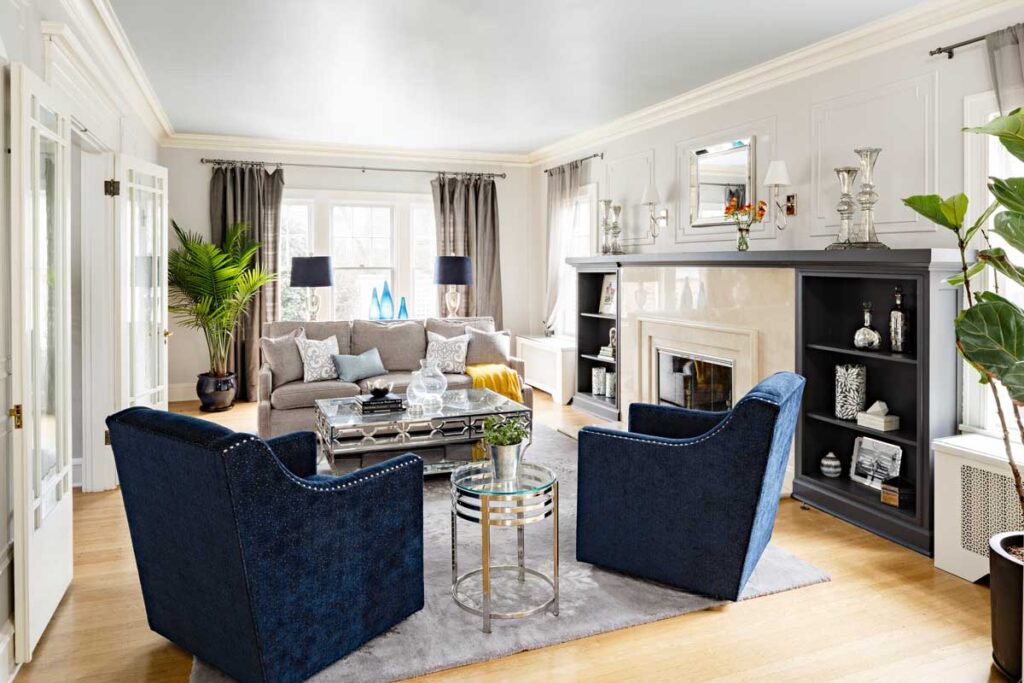
The living room is often the heart of the home, so prioritize comfort and functionality. Choose a sofa and seating that invite relaxation and conversation. Ensure there is adequate lighting for various activities, from reading to entertaining. Select a coffee table and end tables that complement your seating arrangement. Furthermore, an area rug can define the space and add warmth. Consider the flow of traffic when arranging furniture.
Bedroom Decor: Creating a Sanctuary
Your bedroom should be a peaceful retreat. Focus on elements that promote rest and tranquility. A comfortable mattress and quality bedding are paramount. Soft lighting, blackout curtains, and calming color palettes contribute to a serene atmosphere. Minimize clutter to enhance relaxation. Personal touches like family photos or cherished artwork can make the space truly yours. Remember, creating a sanctuary is key.
Kitchen & Dining Decor: Blending Utility with Aesthetics
Kitchens and dining areas are highly functional spaces, but they can also be stylish. Choose durable, easy-to-clean materials for surfaces and decor. Incorporate practical storage solutions that also look good. Dining furniture should be comfortable and proportionate to the room size. Adding elements like a decorative fruit bowl, a stylish clock, or unique placemats can elevate the space. Consider the flow between these two important areas.
Bathroom & Entryway Decor: Small Spaces, Big Impact
Even small spaces like bathrooms and entryways deserve attention. In the bathroom, focus on plush towels, attractive storage, and a pleasant scent. An entryway should be welcoming and functional, with a place for keys, coats, and shoes. A mirror can make a small entryway feel larger. These smaller areas offer great opportunities to infuse personality and style. They are often the first and last impressions of your home.
Elements of Design: Color, Lighting, and Texture in New Home Decor
Understanding fundamental design elements empowers you to make sophisticated decor choices. Color, lighting, and texture are powerful tools that shape the mood and atmosphere of your home. Mastering these aspects is essential for how to choose home decor for new homes effectively. They contribute significantly to the overall aesthetic appeal.
Selecting a Cohesive Color Palette for Your New Home
A well-chosen color palette unifies your entire home. Start with a neutral base for walls and larger furniture items. Then, introduce accent colors through pillows, artwork, and accessories. Consider the mood each color evokes; blues and greens are calming, while reds and yellows add energy. Ensure a consistent flow of colors from room to room. This creates a sense of harmony and sophistication. You can learn more about color theory from reputable sources like Wikipedia: Color Theory.
The Role of Lighting: Ambient, Task, and Accent
Lighting is a critical, yet often overlooked, decor element. Layering different types of lighting creates depth and functionality. Ambient lighting provides overall illumination, such as ceiling fixtures. Task lighting, like a desk lamp, focuses on specific activities. Accent lighting highlights features like artwork or architectural details. Thoughtful lighting can dramatically change the perception of a space. It enhances mood and usability.
Incorporating Textures and Patterns for Depth
Textures and patterns add visual interest and warmth to a room. Mix different textures like soft throws, rough wood, smooth metals, and plush rugs. This creates a rich sensory experience. Patterns, whether subtle or bold, can introduce personality and break up monotony. Use patterns strategically to avoid overwhelming the space. They provide depth and character to your decor. Consider combining various materials for a dynamic look.
Adding Personal Touches: Making Your New House a Home
The final step in decorating your new home is infusing it with your unique personality. Personal touches are what truly transform a house into a home. These elements tell your story and create a space that feels authentic and lived-in. This is where your individuality shines through.
Displaying Art and Photographs: Reflecting Your Personality
Art and photographs are powerful expressions of your identity. Choose pieces that you love and that evoke positive emotions. Create a gallery wall with a mix of framed photos, prints, and personal mementos. Consider the scale and placement of art in relation to your furniture. These visual narratives make your home uniquely yours. They offer glimpses into your life and passions.
Choosing Accessories: Pillows, Throws, and Decorative Objects
Accessories are the finishing touches that complete a room. Pillows and throws add comfort, color, and texture to sofas and beds. Decorative objects like vases, sculptures, and candles can enhance your chosen style. Arrange accessories in groups of odd numbers for a more aesthetically pleasing display. Do not overcrowd surfaces; less is often more impactful. Thoughtful accessories tie the whole room together.
Integrating Plants and Greenery for Freshness
Plants bring life, color, and a sense of freshness into any room. They also improve air quality and create a calming atmosphere. Choose plants that suit your light conditions and care routine. Decorative pots and planters can further enhance your decor. From small succulents to large floor plants, greenery adds a natural, organic touch. This simple addition makes a significant difference.
Frequently Asked Questions About Choosing Home Decor
Many new homeowners have similar questions when embarking on their decorating journey. Here are some common queries and their answers to help you further.
How do I choose a style for my new home?
Start by researching different interior design styles online and in magazines. Save images that appeal to you to create a mood board. Consider your lifestyle and the architectural style of your new home. Ultimately, choose a style that feels comfortable and authentic to your personal taste. Do not be afraid to mix elements from different styles.
Should I buy all my decor at once?
No, it is generally better to decorate your new home gradually. This allows you to live in the space, understand its needs, and make more thoughtful decisions. Prioritize essential furniture first. Then, add decorative items over time as your budget and vision evolve. This approach prevents costly mistakes and ensures a more curated look.
What are common mistakes to avoid when decorating a new home?
Avoid buying items without measuring your space first. Do not neglect lighting, as it significantly impacts mood. Resist the urge to match everything perfectly; a curated look is more appealing. Furthermore, do not underestimate the power of personal touches. Lastly, avoid decorating solely based on trends; choose pieces you genuinely love. These common pitfalls can be easily avoided with careful planning.
Conclusion: Successfully Choosing Home Decor for Your New Home
Successfully navigating how to choose home decor for new homes involves a blend of planning, personal expression, and smart decision-making. By defining your style, setting a budget, and considering each room’s function, you can create a space that is both beautiful and uniquely yours. Remember to layer elements like color, lighting, and texture. Finally, infuse your home with personal touches that tell your story. Embrace the process, and enjoy transforming your new house into a cherished home. We encourage you to share your favorite decorating tips in the comments below!