Approaching your landlord about extending your stay can feel daunting. However, knowing how to ask landlord to renew lease effectively is a crucial skill for any renter. This guide will provide clear steps and essential tips to ensure a smooth and successful lease renewal process. We will cover everything from preparing your request to negotiating terms, helping you secure your current home with confidence.
Introduction: Preparing to Request Your Lease Renewal
Securing your living situation is a top priority for many tenants. A lease renewal allows you to continue enjoying your current home without the hassle of moving. Furthermore, a well-prepared request demonstrates your reliability as a tenant and fosters a positive landlord-tenant relationship. This preparation is key to a successful outcome.
Why Renewing Your Lease Matters for Tenants
Renewing your lease offers significant benefits, primarily stability and convenience. You avoid the costs and stress associated with finding a new place, packing, and moving. Additionally, staying put means you are already familiar with the neighborhood, local amenities, and your property’s specific quirks. This continuity provides peace of mind.
Setting the Stage for a Smooth Lease Renewal Process
A proactive approach is always best when considering a lease renewal. Begin by reviewing your current lease agreement well in advance of its expiration date. Understanding your obligations and the landlord’s expectations will empower you during discussions. This foresight sets a positive tone for your upcoming request.
Understanding Your Current Lease & Renewal Timeline: How to Ask Landlord to Renew Lease Effectively
Before you even think about how to ask landlord to renew lease, a thorough understanding of your existing agreement is essential. Your lease document contains vital information regarding renewal clauses and notice periods. Ignoring these details could complicate your renewal efforts significantly. Therefore, careful review is non-negotiable.
Reviewing Your Lease Agreement for Key Clauses and Dates
Your current lease agreement is the foundation of your tenancy. Look for specific clauses related to lease renewal, notice periods, and any penalties for late notification. Pay close attention to the lease end date and the required notice period, which is often 30, 60, or 90 days. Knowing these details prevents any surprises.
Identifying the Optimal Time to Ask Your Landlord to Renew
Timing is everything when it comes to lease renewals. Generally, it’s wise to contact your landlord a few weeks before the official notice period begins. This proactive communication shows responsibility and gives both parties ample time to discuss terms. Aim to initiate the conversation well in advance of the deadline.
Assessing Your Tenant History and Relationship with Your Landlord
Your track record as a tenant plays a significant role in your landlord’s decision. Consider your payment history, how well you’ve maintained the property, and your adherence to lease rules. A positive history makes a renewal much more likely. Furthermore, a good relationship built on mutual respect can smooth the negotiation process.
Crafting Your Lease Renewal Request: What to Include
Once you’ve done your homework, the next step is to formulate your request. The method and content of your communication are crucial. A clear, concise, and professional request significantly increases your chances of a positive response. This section details exactly what to include when you ask landlord to renew lease.
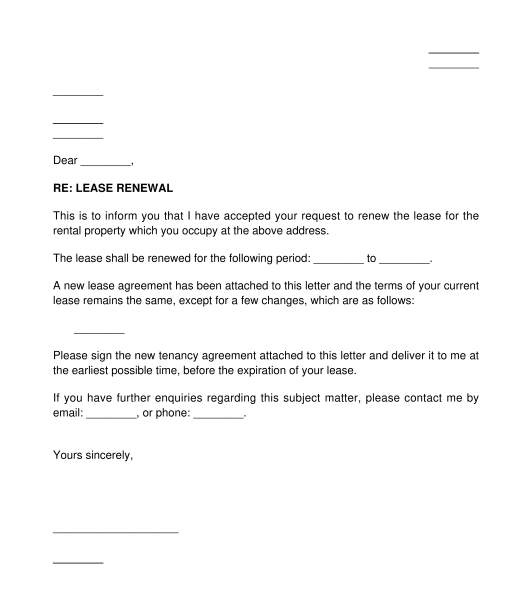
Choosing the Best Communication Method: Email, Letter, or In-Person?
The best communication method often depends on your relationship with your landlord. Email provides a written record, which is always beneficial. A formal letter is also excellent for documentation. For a more personal touch, an in-person conversation followed by a written confirmation can be effective. Always prioritize having a paper trail.
- Email: Offers a clear, dated record of your request.
- Formal Letter: Professional and provides a physical document.
- In-Person: Allows for direct discussion, but follow up in writing.
Essential Elements of a Professional Lease Renewal Letter or Email
Your renewal request should be polite, professional, and to the point. Include your full name, property address, and the current lease end date. Clearly state your desire to renew and suggest a new lease term, such as another 12 months. Keep the tone respectful and appreciative of your tenancy.
Clearly Stating Your Intent to Renew Your Rental Agreement
The core of your message must be an unambiguous statement of your intent. For example, “I am writing to express my strong interest in renewing my lease for the property at [Your Address].” This leaves no room for misinterpretation. Be direct and confident in your request.
Navigating Potential Rent Increases & Lease Term Negotiations
Lease renewals often involve discussions about new terms, including rent adjustments. Being prepared for these conversations is vital. Understanding market rates and having a clear idea of what you’re willing to accept will strengthen your negotiating position. This proactive approach helps when you ask landlord to renew lease.
Researching Market Rent Rates in Your Area
Before discussing rent, research comparable properties in your neighborhood. Look at similar-sized units with similar amenities. Websites like Zillow, Apartments.com, or local real estate listings can provide valuable insights. Knowing the market helps you determine if a proposed rent increase is fair.
Strategies for Negotiating a Fair Rent Increase with Your Landlord
If your landlord proposes a rent increase, don’t be afraid to negotiate, especially if your research shows it’s above market value. Highlight your excellent tenant history, timely payments, and how well you maintain the property. A small concession from your landlord can save you significant money over the next lease term.
- Gather market data for comparable rentals.
- Present your positive tenant history.
- Propose a counter-offer or alternative lease term.
- Be polite and reasonable in your discussions.
Discussing Other Lease Terms (e.g., pet policies, maintenance requests)
Rent isn’t the only negotiable item. If you have specific concerns or requests, such as adding a pet or addressing a long-standing maintenance issue, now is the time to bring them up. Frame these discussions constructively, showing how resolving them benefits both parties. A renewed lease can be an opportunity for mutual agreement.
Addressing Common Concerns & Potential Roadblocks
Sometimes, challenges can arise during the renewal process. Being prepared to address these proactively can prevent delays or even non-renewal. Understanding potential roadblocks helps you navigate them smoothly. This foresight is crucial when you ask landlord to renew lease.
Proactively Resolving Past Tenant Issues Before You Ask to Renew
If you’ve had any minor issues in the past, such as late rent payments or noise complaints, address them before requesting renewal. Show your landlord that you’ve learned from these situations and are committed to being a responsible tenant. Acknowledging and rectifying past issues demonstrates maturity.
What to Do if Your Landlord Considers Non-Renewal
In some cases, a landlord might consider not renewing your lease. If this happens, politely ask for the reason. Understanding their concerns might allow you to address them. For instance, if they plan to sell, there might be no room for negotiation. However, if it’s tenant-related, you might still have options. You can find more information on tenant rights and non-renewal notices from resources like the U.S. Department of Housing and Urban Development (HUD) at .
Preparing for Different Outcomes of Your Lease Renewal Request
Be prepared for various scenarios. Your landlord might agree immediately, propose new terms, or decline renewal. Having a backup plan, such as researching alternative housing options, is always wise. This preparation helps you remain calm and make informed decisions, regardless of the outcome.
- Landlord agrees to renew under current terms.
- Landlord proposes new terms (e.g., higher rent).
- Landlord declines renewal, requiring you to move.
Finalizing Your Lease Renewal Agreement
Once both parties agree on the terms, the final step is to formalize the renewal. This involves reviewing and signing a new lease document. Attention to detail here is paramount to avoid future misunderstandings. Ensure all agreed-upon changes are accurately reflected in the new agreement.
Thoroughly Reviewing the New Lease Document for Accuracy
Never sign a new lease without reading it carefully. Verify that all negotiated terms, including rent, lease duration, and any special clauses, are correctly stated. Compare it against your previous lease to spot any unfamiliar additions or changes. Your signature signifies your agreement to all conditions.
Signing and Documenting the Renewed Agreement
After your thorough review, sign the new lease document. Ensure you receive a fully executed copy for your records. This signed document is your legal proof of continued tenancy. Keep it in a safe place with other important housing documents.
Maintaining Good Communication Post-Renewal with Your Landlord
Even after the lease is renewed, continue to foster a good relationship with your landlord. Promptly communicate any maintenance issues or concerns. Being a responsible and communicative tenant will make future renewals even smoother. Strong communication benefits both parties in the long run.
FAQs: How to Ask Landlord to Renew Lease
When is the best time to approach my landlord about renewing?
The ideal time is typically 90 to 120 days before your current lease expires. This gives both you and your landlord ample time to discuss terms and make decisions. However, always check your specific lease agreement for the required notice period.
Can I negotiate the rent or other terms when I ask to renew my lease?
Yes, absolutely. Lease renewals are often an opportunity for negotiation. Research market rates, highlight your good tenant history, and politely present your case for a fair rent or other desired changes. Landlords often prefer to keep good tenants.
What if my landlord doesn’t respond to my renewal request?
If you don’t hear back, send a polite follow-up email or letter. Reference your initial request and reiterate your interest. If still no response, a phone call might be necessary, but always follow up with a written summary of the conversation for your records.
Should I mention any issues with the property when asking to renew?
It can be strategic to mention outstanding maintenance issues, especially if they are significant. Frame it constructively, suggesting that resolving these issues would make you even happier to renew. However, avoid making demands; instead, present it as a collaborative discussion.
What are my options if my landlord refuses to renew my lease?
If your landlord refuses, understand their reasons. If it’s not tenant-related (e.g., they’re selling), start looking for new housing immediately. If it is tenant-related, you might try to address their concerns. Always understand your local tenant rights regarding non-renewal notices.
Conclusion: Secure Your Lease Renewal with Confidence
Successfully navigating how to ask landlord to renew lease is a straightforward process when approached thoughtfully. By understanding your lease, communicating proactively, and being prepared to negotiate, you can secure your home for another term. Remember, a good tenant-landlord relationship is built on clear communication and mutual respect.
Key Takeaways for a Successful Lease Renewal Request
Always start early, review your lease thoroughly, and communicate professionally. Be prepared to discuss rent and other terms, and always get any agreement in writing. These steps will empower you throughout the renewal process. Your diligence will pay off.
Next Steps to Ensure a Smooth Transition and Continued Tenancy
Once your lease is renewed, continue to be an exemplary tenant. Pay rent on time, maintain the property, and communicate effectively. For further guidance on tenant rights or housing resources, consider exploring official government housing websites. Share this guide with anyone looking to secure their rental home!