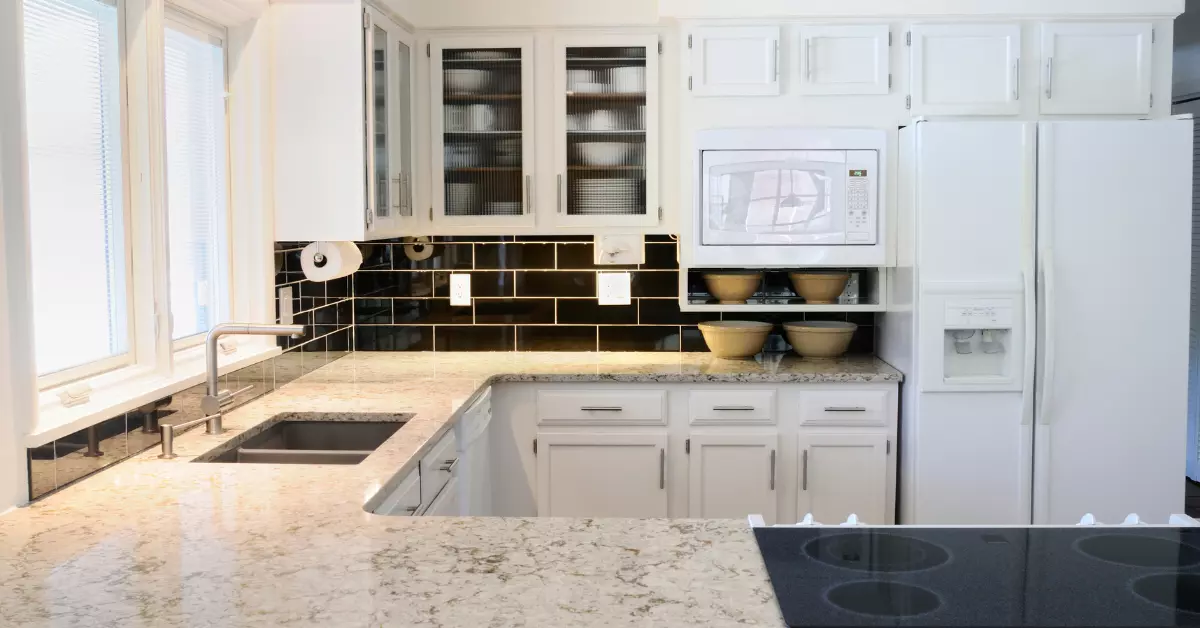
Navigating the complexities of rental agreements can often raise important questions for tenants. Specifically, many wonder, does a landlord have to provide a stove and refrigerator in a rental property? The straightforward answer is: it depends significantly on various factors. Understanding these nuances is crucial for both renters and property owners, as expectations and legal obligations can vary widely. This article will thoroughly explore the rules governing appliance provision in rental units, ensuring you are well-informed before signing any lease.
Introduction: Understanding Landlord Responsibilities for Appliances
When you consider renting a new home, the availability of essential kitchen appliances often comes to mind. Landlord responsibilities regarding these items are not always uniform. Therefore, it is vital to know what you can reasonably expect from a rental unit. These expectations directly impact your comfort and daily living arrangements.
Overview of Appliance Expectations in Rental Properties
Rental properties come in many forms, from single-family homes to multi-unit apartments. The type of property can sometimes influence appliance provisions. Generally, tenants expect a functional kitchen, which typically includes a stove and refrigerator. However, this common expectation does not always translate into a legal requirement for every landlord.
The Importance of Knowing Your Rental Rights and Obligations
Being aware of your rights as a tenant and your landlord’s obligations is paramount. This knowledge empowers you to make informed decisions and avoid potential disputes. Understanding who is responsible for providing and maintaining appliances like a stove and refrigerator can save you considerable time and money. Furthermore, it helps ensure a smooth tenancy experience.
The General Rule: Does a Landlord Have to Provide a Stove and Refrigerator?
In many jurisdictions, there isn’t a universal federal law mandating landlords to provide specific appliances. The general rule often defaults to what is explicitly stated in the lease agreement. Consequently, the terms of your contract become the primary determinant of appliance provision.
Basic Legal Framework for Appliance Provision in Rentals
The legal framework for rental properties primarily operates at the state and local levels. There is no federal law that dictates, “does a landlord have to provide a stove and refrigerator.” Therefore, tenants must look to their specific state statutes and local ordinances. These laws often define what constitutes a habitable living space, which may or may not include kitchen appliances.
Implied Warranty of Habitability and Essential Appliances
Most states have an “implied warranty of habitability,” meaning a rental unit must be safe and livable. This warranty typically covers basic necessities like heat, hot water, and structural soundness. However, whether a stove and refrigerator fall under this warranty as “essential appliances” varies significantly. Some states consider them essential for basic living, while others do not.
What Constitutes a ‘Habitable’ Living Space Without Appliances?
A habitable living space generally means a property fit for human occupation. It must be free from serious defects that endanger a tenant’s health or safety. For instance, a lack of running water would clearly violate habitability standards. However, if a kitchen is present but lacks a stove or refrigerator, its habitability depends on local legal interpretations. Some areas might deem a kitchen without these appliances as incomplete, while others might not.
State Laws & Local Ordinances: When Landlords Must Provide Appliances
State and local laws are the most critical factors in determining if a landlord must provide a stove and refrigerator. These regulations can differ dramatically from one region to another. Therefore, it is essential to research the specific laws applicable to your rental location.
How State-Specific Regulations Vary Across the U.S.
Across the United States, landlord-tenant laws are not uniform. Some states have explicit statutes requiring landlords to provide certain kitchen appliances. Other states remain silent on the matter, leaving it to the lease agreement. Furthermore, local city or county ordinances can add additional layers of requirements, sometimes stricter than state laws.
Examples of States with Specific Stove and Refrigerator Requirements
Certain states and cities have clearer guidelines regarding appliance provision. For example:
- California: While not universally mandated, some local ordinances in California cities (e.g., San Francisco) may require landlords to provide a stove.
- New York: New York City’s Housing Maintenance Code generally requires landlords to provide a stove and refrigerator in all rental units.
- Massachusetts: State sanitary codes often require a stove and oven, and sometimes a refrigerator, in rental units.
These examples illustrate the importance of checking local regulations. Always consult official state and local government websites for the most accurate information. For more detailed information on state-specific landlord-tenant laws, you can visit resources like Nolo’s landlord-tenant law articles or your state’s Attorney General’s office website.
Impact of Local Building Codes and Health Ordinances on Appliance Standards
Beyond general landlord-tenant laws, local building codes and health ordinances can also influence appliance requirements. These codes often dictate minimum standards for kitchens, including ventilation and electrical outlets. In some cases, they might indirectly imply the need for a stove or refrigerator by requiring the necessary infrastructure for them. Always check with your local housing authority for specific details.
Lease Agreements: The Deciding Factor for Stove and Refrigerator Provision
The rental lease agreement is arguably the most important document governing your tenancy. It explicitly outlines the terms and conditions, including appliance provisions. Therefore, always read your lease carefully before signing.
The Critical Role of Your Rental Agreement in Defining Appliance Responsibilities
Your lease agreement serves as a legally binding contract between you and your landlord. If the lease states that a stove and refrigerator are included, then the landlord is obligated to provide them. Conversely, if the lease specifies that these appliances are not included, then the tenant is typically responsible for providing their own. This document clarifies whether does a landlord have to provide a stove and refrigerator in your specific situation.
What to Look for in Your Lease Regarding Kitchen Appliances
When reviewing a lease, pay close attention to sections detailing kitchen amenities. Look for specific clauses that mention “included appliances” or “tenant-provided appliances.” Furthermore, check for language regarding maintenance and repair responsibilities for any provided items. A comprehensive lease will leave little room for ambiguity.
Negotiating Appliance Inclusion Before Signing a Lease
If a rental unit you desire does not include a stove or refrigerator, you might be able to negotiate. Before signing the lease, discuss your needs with the landlord. You could propose a slightly higher rent in exchange for the landlord providing these appliances. Alternatively, you might negotiate a rent reduction if you plan to bring your own. Always get any agreements in writing and include them as an addendum to the lease.
Furnished vs. Unfurnished Rentals: Appliance Expectations
The distinction between furnished and unfurnished rentals significantly impacts appliance expectations. This classification often dictates what items are automatically included in the property.
Distinguishing Between Furnished and Unfurnished Rental Units
An unfurnished rental typically includes only the basic fixtures, such as cabinets, sinks, and light fixtures. Tenants are expected to bring their own furniture and, often, major appliances. In contrast, a furnished rental comes with furniture and usually all major appliances, making it ready for immediate occupancy. This distinction clarifies whether does a landlord have to provide a stove and refrigerator based on the rental type.
Standard Appliance Inclusions in Furnished Properties
Furnished properties almost always include a stove and refrigerator as standard. They often come with other kitchen essentials like microwaves, dishwashers, and even small appliances. The idea is to provide a complete living solution. Therefore, if you are renting a furnished unit, you can generally expect these items to be present and functional.
When Unfurnished Rentals May Still Include a Stove and Refrigerator
Even in unfurnished rentals, it is common for a stove and refrigerator to be provided. This is particularly true in apartment complexes or units where previous tenants left appliances behind. While not legally mandated in all areas, many landlords choose to provide them as a convenience or to make the unit more appealing. Always confirm this directly with the landlord or in the lease agreement.
Tenant Rights & Recourse: If Your Landlord Doesn’t Provide Appliances
What happens if your landlord fails to provide appliances that are legally required or promised in the lease? Tenants have specific rights and avenues for recourse. It is important to act promptly and follow proper procedures.
What to Do if Required Appliances Are Missing or Malfunctioning
If your lease or local law dictates that a landlord must provide a stove and refrigerator, and they are missing or broken, document the issue immediately. Take photos or videos as evidence. Then, formally notify your landlord in writing. This creates a clear record of your communication and the problem at hand.
Effective Communication Strategies with Your Landlord
Always communicate with your landlord in writing, whether via email or certified mail. Clearly state the problem, reference the lease agreement or relevant laws, and request a specific remedy within a reasonable timeframe. Keep copies of all correspondence. This professional approach can often resolve issues without further escalation.
- Document all issues with photos or videos.
- Send written notice to your landlord, citing lease terms or local laws.
- Request a specific resolution and a reasonable deadline.
- Keep detailed records of all communications.
Legal Avenues for Tenants: From Repair and Deduct to Legal Aid
If your landlord fails to respond or resolve the issue, several legal avenues may be available. These include “repair and deduct” (where you fix the issue and deduct the cost from rent, subject to strict state laws), withholding rent (also highly regulated), or pursuing action in small claims court. Many tenants also seek assistance from local tenant unions or legal aid organizations. They can provide guidance on your specific rights and the best course of action.
- Send a formal written notice to the landlord.
- If no response, send a follow-up notice, possibly with a “notice to cure.”
- Consult a tenant rights organization or legal aid attorney.
- Consider options like “repair and deduct” or small claims court, ensuring you understand local laws.
Frequently Asked Questions
Is a microwave considered a landlord’s responsibility?
Generally, a microwave is not considered a landlord’s responsibility unless explicitly stated in the lease agreement. Unlike a stove or refrigerator, it is not typically deemed an essential appliance for habitability. Therefore, most tenants are expected to provide their own microwaves.
What if the provided stove or refrigerator breaks down?
If a landlord provides a stove or refrigerator, they are generally responsible for its maintenance and repair. This falls under their obligation to keep the property habitable and maintain any provided appliances. Tenants should notify the landlord in writing immediately if an appliance breaks down.
Can a landlord remove a stove or refrigerator during a tenancy?
No, a landlord generally cannot remove a stove or refrigerator during a tenancy if it was included in the lease agreement. Removing an appliance that was part of the rental agreement could be considered a breach of contract. Any changes to provided appliances must be mutually agreed upon and documented in writing.
Does a landlord have to provide a washer and dryer?
A landlord is typically not required to provide a washer and dryer unless specified in the lease agreement. These are considered amenities rather than essential appliances for habitability in most jurisdictions. Some properties offer shared laundry facilities, while others leave it entirely to the tenant.
Conclusion: Navigating Your Rental Rights Regarding Appliances
Understanding whether does a landlord have to provide a stove and refrigerator is crucial for a smooth rental experience. The answer primarily hinges on state and local laws, as well as the specifics of your lease agreement. Always perform due diligence by thoroughly reviewing your contract and researching local regulations. This proactive approach will help you avoid misunderstandings and ensure your rental unit meets your expectations.
Key Takeaways for Tenants and Landlords on Appliance Provision
For tenants, the lease is your best friend; read it carefully. For landlords, clear communication and a well-drafted lease prevent future disputes. Both parties benefit from a transparent understanding of appliance responsibilities. Furthermore, knowing local laws protects everyone involved in the rental process.
The Importance of Due Diligence Before Renting a Property
Before committing to a rental, always ask explicit questions about appliance inclusion. Get all promises in writing. This due diligence ensures that your expectations align with what the landlord is legally and contractually obligated to provide. It is far easier to clarify these details upfront than to address issues later.
Call to Action: Consult Legal Aid or Tenant Resources for Specific Advice
If you have specific questions or face disputes regarding appliance provision, do not hesitate to seek expert advice. Consult local tenant rights organizations, legal aid services, or a qualified attorney specializing in landlord-tenant law. They can offer tailored guidance based on your unique situation and local regulations. Protect your rights by staying informed and taking appropriate action.