Signing a lease agreement represents a significant commitment for both landlords and tenants. Many renters wonder, can landlord cancel lease after signing, especially if circumstances change unexpectedly? Generally, once a lease is signed, it becomes a legally binding contract. A landlord’s ability to cancel a lease after signing is extremely limited and typically only permissible under very specific, legally defined circumstances. Understanding these rare exceptions and your tenant rights is crucial for protecting your housing situation.
Understanding the Binding Nature of a Signed Lease Agreement
A signed lease agreement establishes a formal, legally enforceable contract between a landlord and a tenant. This document outlines the terms and conditions of the rental, including rent amount, lease duration, and responsibilities of both parties. Once both parties affix their signatures, they are generally bound by these agreed-upon terms. Therefore, a landlord cannot arbitrarily decide to cancel a lease after signing without facing legal repercussions.
This contractual obligation means both parties have specific duties. The landlord must provide a habitable living space, and the tenant must pay rent and adhere to lease rules. Breaking this agreement without valid cause is considered a breach of contract. Consequently, legal protections are in place to ensure stability for tenants once they have secured a rental property.
What Constitutes a Valid and Enforceable Lease?
For a lease to be valid, it must meet several fundamental criteria. It typically needs to be in writing, clearly identify the parties involved (landlord and tenant), describe the property, state the lease term, and specify the rent amount. Furthermore, both parties must sign the agreement voluntarily, indicating their consent to its terms. Without these elements, the enforceability of the lease could be challenged.
Consider local and state landlord-tenant laws as well. These regulations often dictate additional requirements for a lease to be fully valid. For instance, some jurisdictions require specific disclosures or clauses to be included. A lease that fails to comply with these statutory requirements might be deemed partially or wholly unenforceable, impacting the question of “can landlord cancel lease after signing.”
Mutual Obligations Once a Lease is Signed
Upon signing, both the landlord and tenant assume a set of mutual obligations. The landlord is obligated to grant possession of the property to the tenant on the agreed-upon move-in date. They must also maintain the property in a safe and livable condition throughout the lease term. This includes making necessary repairs and adhering to health and safety codes.
Conversely, the tenant is obligated to pay rent on time, maintain the property reasonably, and comply with all terms outlined in the lease. They must also respect the property and other tenants. Failure by either party to uphold these obligations can lead to a breach of contract, potentially allowing for termination under specific legal conditions.
Limited Scenarios: When Can a Landlord Cancel a Lease After Signing?
While rare, there are specific, legally recognized situations where a landlord might have the right to cancel a lease after signing. These scenarios are not about a change of mind but rather about fundamental issues with the contract or the tenant’s actions. It is crucial to distinguish these legitimate grounds from unlawful attempts to terminate an agreement. Most often, the landlord must prove a significant violation or a legal flaw.
Understanding these exceptions helps clarify the question, can landlord cancel lease after signing under certain conditions. Such situations typically involve a serious breach by the tenant or a defect in the lease’s formation. Landlords cannot simply void a lease because they found a better tenant or decided not to rent the property after all. Legal counsel is often involved in these complex cases.
Mutual Agreement and Lease Termination Clauses
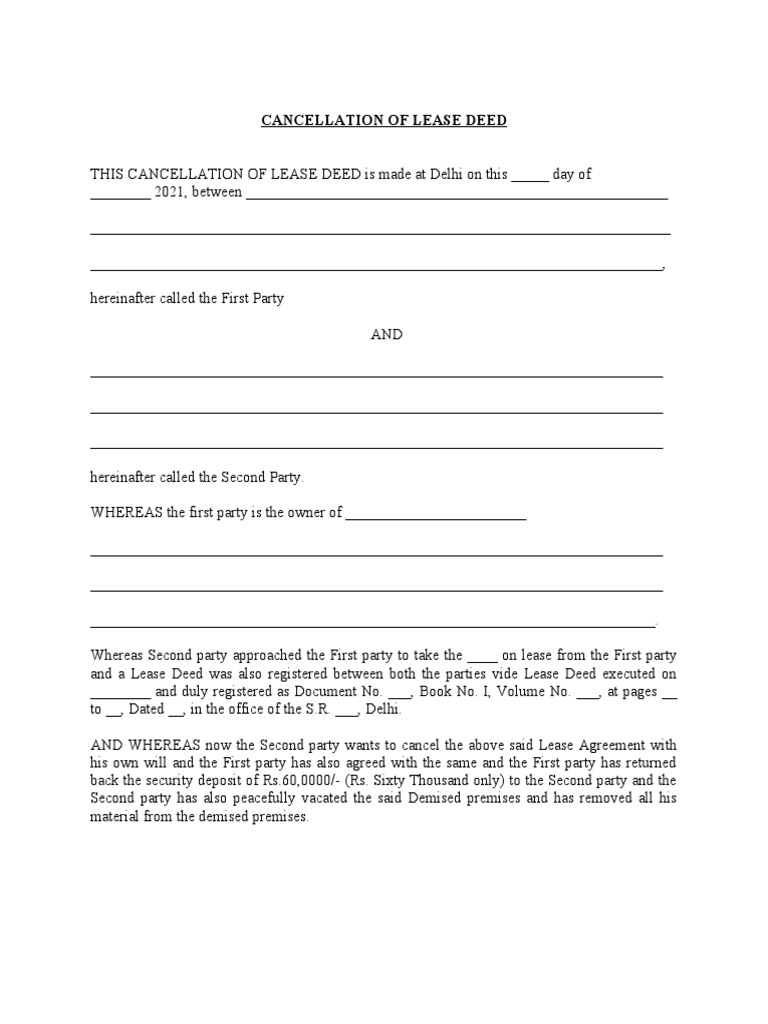
One of the most straightforward ways a landlord can cancel a lease after signing is through mutual agreement with the tenant. Both parties can agree to terminate the lease early, often with specific conditions, such as a termination fee. Many leases also include early termination clauses, which outline the process and penalties if either party wishes to end the agreement prematurely. These clauses must be clearly stated and legally sound.
If such a clause exists, it provides a pre-defined pathway for ending the lease. For example, it might require a certain notice period and a payment from the tenant. Without mutual agreement or a specific clause, unilateral cancellation by the landlord is generally not permitted. Always review your lease for these important provisions.
Material Breach by the Tenant (Pre-Occupancy)
A landlord might have grounds to cancel a lease if the tenant commits a material breach of the agreement even before moving in. A material breach is a serious violation that goes to the core of the contract. Examples include failing to pay the security deposit or first month’s rent as agreed, or providing fraudulent information on the rental application that directly impacts eligibility. This is a critical aspect when considering “can landlord cancel lease after signing.”
For instance, if a tenant misrepresented their income or criminal history, and the lease was signed based on this false information, the landlord might argue for cancellation. However, the landlord must typically prove that the misrepresentation was significant and directly influenced their decision to enter the lease. Minor discrepancies usually do not qualify as a material breach.
Fraud, Misrepresentation, or Illegality in the Agreement
If the lease agreement itself was entered into under fraudulent pretenses, or if there was significant misrepresentation by the tenant, the landlord might be able to cancel it. This applies if the tenant knowingly provided false information that was material to the landlord’s decision to rent. Similarly, if the lease agreement is found to be illegal or unenforceable from the outset, it could be voided.
For example, if the property is found to be uninhabitable or not legally permitted for rental, the lease might be deemed illegal. In such cases, the contract is invalid from the start. However, the burden of proof for fraud or illegality rests heavily on the landlord, requiring substantial evidence to support their claim.
What if a Landlord Tries to Cancel Your Lease After Signing Illegally?
If a landlord attempts to cancel your lease after signing without a valid legal reason, their actions are considered unlawful. This can be a distressing situation for tenants, who have a legitimate expectation of moving into their new home. Tenants have specific rights and legal protections against such illegal lease terminations. It is important to know your standing.
Understanding these rights empowers you to challenge an unlawful cancellation. Do not assume the landlord’s word is the final say. Many state and local laws protect tenants from arbitrary lease cancellations. Therefore, immediate action and proper documentation are key to protecting your interests.
Understanding Unlawful Lease Termination Attempts
An unlawful lease termination occurs when a landlord attempts to cancel a signed lease without fulfilling the legal requirements for doing so. This includes situations where the landlord simply changes their mind, finds a new tenant willing to pay more, or decides to sell the property without a proper lease termination clause. These actions are generally not permitted once a binding contract is in place.
Such attempts can cause significant financial and emotional distress for tenants. They might incur costs for new housing, storage, or temporary accommodation. Tenants should be aware that they are not powerless in these situations. Legal recourse is available to address these improper actions by a landlord.
Common Reasons for a Landlord’s Illegal Cancellation Attempt
Landlords might attempt illegal cancellations for various reasons, none of which are typically legally justifiable. Common scenarios include the landlord receiving a better offer from another prospective tenant. Sometimes, a landlord might decide to sell the property or use it for personal reasons after signing a lease with someone else. Additionally, a landlord might simply have a change of heart about renting the unit.
These motivations, while understandable from a business perspective, do not override the legal obligations of a signed lease. A signed lease provides stability for the tenant. The law prioritizes the enforceability of contracts, preventing landlords from easily backing out of agreements. This reinforces why “can landlord cancel lease after signing” is a complex question with limited affirmative answers.
The Critical Importance of Documenting All Communications
When dealing with a landlord attempting to cancel a lease, thorough documentation is absolutely critical. Keep records of every communication, whether it’s an email, text message, or written letter. Note down dates, times, and summaries of phone calls. Save copies of the signed lease agreement, any application forms, and receipts for deposits or fees paid. This evidence will be invaluable if legal action becomes necessary.
A detailed paper trail strengthens your position significantly. It provides concrete proof of the agreement and any subsequent attempts by the landlord to terminate it. Without proper documentation, it can be your word against theirs, which makes proving your case much harder. Therefore, be diligent in recording everything related to your lease.
Tenant’s Rights and Legal Recourse if Landlord Cancels Lease
If a landlord unlawfully tries to cancel your lease after signing, tenants have several legal avenues to pursue. Your rights are protected under state and local landlord-tenant laws. It is important to act quickly and understand the steps you can take to enforce your lease or seek compensation for damages incurred. Do not hesitate to seek professional guidance.
Tenants can often demand specific performance, meaning the landlord must honor the lease. Alternatively, they can seek monetary damages. The specific recourse available will depend on your jurisdiction and the details of your situation. Knowing your options provides a clear path forward when a landlord attempts to cancel a lease after signing.
Issuing a Formal Demand Letter to the Landlord
The first step in seeking legal recourse is often to send a formal demand letter to the landlord. This letter should clearly state your intention to enforce the lease agreement. It should also outline the landlord’s breach of contract and demand that they honor the lease. Include a specific deadline for their response and mention your intent to pursue legal action if they fail to comply.
A demand letter serves multiple purposes. It formally notifies the landlord of their legal obligations and your resolve. It also creates a documented record of your attempts to resolve the issue amicably. Always send such letters via certified mail with a return receipt requested, ensuring proof of delivery. This is a vital step in addressing “can landlord cancel lease after signing” issues.
Seeking Damages: Relocation Costs, Rent Differential, and More
If the landlord refuses to honor the lease, you may be entitled to seek monetary damages. These damages can include various costs you incurred due to the landlord’s breach. Common types of damages include:
- Relocation Costs: Expenses associated with finding a new place, such as application fees, moving costs, and temporary housing.
- Rent Differential: The difference in rent if your new comparable housing costs more than the original lease.
- Deposit Return: Full refund of any security deposit or first month’s rent paid.
- Lost Wages: If you had to take time off work to find new housing or deal with the situation.
- Emotional Distress: In some jurisdictions, though harder to prove, compensation for significant emotional distress.
These damages aim to put you in the financial position you would have been in had the landlord honored the lease. Keep all receipts and documentation related to these expenses. This evidence will be crucial in supporting your claim for compensation.
Navigating Small Claims Court vs. Higher Courts
For most tenant-landlord disputes involving damages, small claims court is a common and accessible option. Small claims courts handle cases involving smaller monetary amounts, typically up to a few thousand dollars, depending on the state. The process is generally simpler, and you often do not need an attorney. This can be an effective way to recover damages if a landlord attempts to cancel a lease after signing.
However, if the damages are substantial or if you wish to compel the landlord to honor the lease (specific performance), you might need to pursue action in a higher civil court. This typically involves more complex legal procedures and often requires legal representation. Consulting with a landlord-tenant attorney can help you determine the best course of action for your specific situation. For more information on tenant rights, you can visit Nolo’s Tenant Rights section.
Preventing Issues: Due Diligence Before a Landlord Cancels Lease
Proactive measures can significantly reduce the likelihood of encountering issues where a landlord attempts to cancel a lease after signing. Thoroughly understanding your lease agreement and local laws before you sign is paramount. This due diligence empowers you to identify potential red flags and protect your interests from the outset. A little effort upfront can prevent major headaches later.
By taking these preventative steps, you minimize the chances of a landlord having any legitimate grounds to cancel the lease. Furthermore, you will be better prepared to respond if an unlawful attempt occurs. Being informed is your best defense against unexpected lease cancellations.
Thoroughly Reviewing Every Clause of the Lease Agreement
Before signing any lease, read every single clause and provision carefully. Do not skim or assume anything. Pay close attention to sections regarding lease duration, rent payment, security deposits, and any early termination clauses. Look for language that might allow the landlord to cancel the lease under specific conditions. If anything is unclear, ask for clarification in writing before you sign.
It is also wise to ensure all agreed-upon terms, including any verbal promises, are explicitly written into the lease. An oral agreement might not be enforceable later. A comprehensive review helps you understand your obligations and the landlord’s, reducing surprises. This thoroughness is key to avoiding situations where a landlord might try to cancel a lease after signing.
Understanding Local and State Landlord-Tenant Laws
Landlord-tenant laws vary significantly by state and even by city. Before signing a lease, familiarize yourself with the specific regulations in your area. These laws often dictate what can and cannot be included in a lease, notice requirements for termination, and tenant protections. Many states have departments dedicated to housing or consumer affairs that provide free resources and information.
Knowing your rights under these laws provides a strong foundation. It helps you identify if a lease clause is illegal or if a landlord’s demand is unlawful. This knowledge is your best defense against unfair practices and helps you answer the question, “can landlord cancel lease after signing” based on local regulations.
When to Seek Legal Advice Before Signing
If you encounter a complex lease, have concerns about specific clauses, or if the landlord seems hesitant to clarify terms, seeking legal advice before signing is highly recommended. An attorney specializing in landlord-tenant law can review the lease for potential pitfalls, illegal clauses, or ambiguous language. They can also advise you on your rights and obligations.
Investing in legal advice upfront can save you significant time, money, and stress in the long run. It ensures that you are entering a fair and legally sound agreement. This proactive step is particularly important if you are dealing with a unique rental situation or a landlord with a questionable reputation. A lawyer can help you understand the full implications of “can landlord cancel lease after signing” from a legal standpoint.
Frequently Asked Questions About Landlord Lease Cancellation
Can a landlord cancel a lease before move-in?
Generally, no. Once a lease is signed by both parties, it becomes a legally binding contract, even if the move-in date has not yet occurred. The landlord is obligated to provide possession of the property on the agreed date. Exceptions are rare and typically involve a material breach by the tenant (like failure to pay a required deposit) or mutual agreement to terminate. An arbitrary cancellation before move-in is usually unlawful.
What if my landlord sells the property after I sign the lease?
If your landlord sells the property after you sign a lease, your lease agreement typically remains valid and binding. The new owner usually assumes the role of the landlord and must honor the existing lease terms. They cannot simply cancel your lease because they bought the property. Your rights as a tenant generally transfer with the property’s ownership, ensuring your tenancy continues under the original terms.
What are my rights if the landlord backs out of a verbal agreement?
Verbal agreements for leases are generally harder to enforce, especially for terms longer than one year, due to the Statute of Frauds which requires real estate contracts to be in writing. While some short-term verbal agreements might be enforceable in certain jurisdictions, it is always best to have a written, signed lease. If a landlord backs out of a verbal agreement, your legal recourse may be limited, making written documentation crucial.
How much notice does a landlord have to give to cancel a lease?
A landlord generally cannot unilaterally cancel a fixed-term lease once it’s signed, except under very specific, legally defined circumstances (e.g., tenant’s material breach, mutual agreement, or a valid early termination clause). If such a legal ground exists, the notice period required would be specified in the lease or by state law. For month-to-month tenancies, landlords typically need to provide 30-60 days’ written notice to terminate, depending on local laws.
Conclusion: Protecting Your Lease Agreement and Tenant Rights
In conclusion, the question can landlord cancel lease after signing typically has a resounding “no” as the answer, barring very specific legal exceptions. A signed lease is a powerful, legally binding document that protects both landlords and tenants. Understanding the limited circumstances under which a landlord can legally terminate a lease, such as material breach by the tenant or mutual agreement, is essential. Tenants possess significant rights to enforce their lease and seek damages if a landlord attempts an unlawful cancellation.
Always prioritize thorough review of your lease agreement and familiarize yourself with local landlord-tenant laws. Document all communications and seek legal advice if you face an unlawful termination attempt. By being informed and proactive, you can effectively protect your housing security and ensure your lease agreement is honored. Share your experiences or questions in the comments below; your insights can help others navigate these complex situations.