Navigating the complexities of a rental agreement can be challenging, especially when questions arise about modifications. Many tenants wonder, can a landlord change the lease agreement once it’s signed? The straightforward answer is: it depends on the type of lease and the specific circumstances. Understanding your rights and obligations is crucial for a harmonious tenancy and to protect yourself from unlawful changes. This article will explore when and how landlords can legally alter lease terms, and what recourse tenants have.
Introduction: Understanding Lease Modifications
A lease agreement is a legally binding contract between a landlord and a tenant. It outlines the terms and conditions of the rental property. These terms typically cover rent, duration, responsibilities, and rules. However, situations can arise where a landlord might wish to modify these established terms. It’s essential for both parties to understand the legal framework governing such changes.
Understanding when and how a landlord can implement changes is key. Furthermore, knowing your tenant rights ensures you are not subjected to unfair or illegal alterations. This comprehensive guide will help clarify these often-confusing aspects of tenancy. We aim to provide clear, actionable information for all renters.
Fixed-Term vs. Month-to-Month: When Can a Landlord Change the Lease Agreement?
The ability of a landlord to change a lease agreement largely hinges on the type of tenancy in place. Different rules apply to fixed-term leases compared to month-to-month agreements. Therefore, identifying your lease type is the first step in understanding your protections.
Fixed-Term Leases: Stability and Limitations on Changes
A fixed-term lease, typically lasting 6 or 12 months, provides stability for both landlord and tenant. During this period, the terms of the lease are generally locked in. A landlord cannot unilaterally change the lease agreement during a fixed term. This includes rent increases or new rules, unless the lease itself explicitly allows for such changes under specific conditions, or both parties mutually agree in writing. Any changes outside these parameters are usually unenforceable.
Month-to-Month Tenancies: Flexibility and Proper Notice
Month-to-month leases offer more flexibility. In these arrangements, a landlord generally can change the lease agreement, but only with proper written notice. State and local laws dictate the required notice period, which is typically 30 or 60 days. For instance, a landlord might decide to increase the rent or introduce new pet policies. However, they must inform the tenant adequately beforehand.
The Role of the Original Lease Document
The original lease document is your primary source of information regarding changes. It often contains clauses about renewals, modifications, and notice requirements. Always refer back to this document first. Furthermore, understanding its stipulations will help you determine if a landlord’s proposed change is permissible. It serves as the foundational contract for your tenancy.
Legal Grounds: When a Landlord Can Legally Alter Lease Terms
Even with strict regulations, there are specific legal grounds under which a landlord can alter lease terms. These situations are often outlined in state landlord-tenant laws. Knowing these exceptions is vital for tenants. It helps them discern legitimate changes from unlawful attempts.
Changes During a Fixed-Term Lease: Exceptions and Mutual Agreement
As mentioned, fixed-term leases are generally stable. However, a landlord can change the lease agreement during this period if both parties mutually agree to the modification in writing. Additionally, some leases might contain specific clauses allowing for changes under certain circumstances, such as an increase in property taxes or insurance costs. These clauses are rare and must be clearly stated.
Modifying Month-to-Month Agreements: Required Notice Periods
For month-to-month agreements, landlords can introduce changes, but they must adhere to strict notice requirements. These periods vary by state and sometimes by city, often ranging from 30 to 60 days. The notice must be in writing and clearly state the proposed changes and their effective date. Failure to provide proper notice can render the changes invalid.
Lease Renewals: Opportunity for New Terms and Conditions
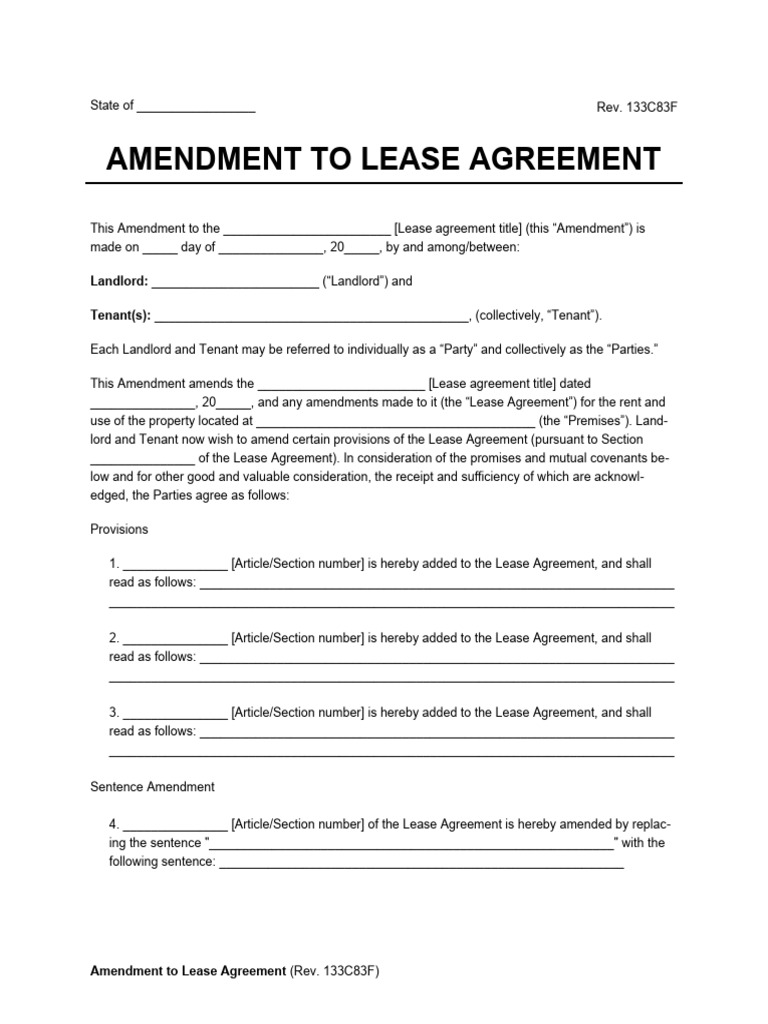
When a fixed-term lease is up for renewal, the landlord has the opportunity to propose an entirely new lease agreement. This new agreement can include revised rent, updated rules, or different terms. Tenants can then choose to accept the new terms, negotiate, or move out. This is a common time for landlords to implement significant changes. Therefore, carefully review any renewal offers.
Permissible Amendments: What Changes Can a Landlord Make?
Landlords might seek to amend a lease for various reasons. These changes can range from financial adjustments to alterations in property rules. Understanding what types of amendments are typically permissible helps tenants prepare. It also clarifies what to expect during their tenancy.
Rent Increases and Security Deposit Adjustments
Rent increases are a common reason for lease amendments, especially in month-to-month tenancies or upon lease renewal. Landlords must provide proper notice for rent increases. Similarly, security deposit adjustments might occur upon renewal, though laws often cap the maximum amount. Always check local rent control ordinances, if applicable. These laws can significantly impact a landlord’s ability to raise rent.
Changes to Rules and Regulations (e.g., Pet Policies, Amenities)
A landlord can change the lease agreement to update rules and regulations. This includes pet policies, parking rules, or access to amenities. For instance, a landlord might decide to allow pets or implement new quiet hours. These changes often require the same notice period as other lease modifications. However, they must be reasonable and non-discriminatory.
Adding or Removing Clauses (e.g., Maintenance Responsibilities, Subletting)
Landlords might also add or remove specific clauses from the lease. This could involve clarifying maintenance responsibilities, altering subletting policies, or updating insurance requirements. Any new clause must be legal and not contradict existing landlord-tenant laws. Tenants should carefully review all proposed changes. They should ensure they understand the implications before agreeing.
Tenant Rights and Protections When a Landlord Changes Lease Terms
Tenants are not without rights when a landlord proposes lease changes. Several protections are in place to ensure fairness and prevent arbitrary modifications. Knowing these rights empowers tenants to respond appropriately. It also helps them navigate potential disputes effectively.
Right to Adequate Notice and Opportunity to Object
A fundamental tenant right is the right to adequate written notice for any proposed lease change. This notice period allows tenants time to review the changes and decide how to proceed. Furthermore, tenants have the right to object to unlawful or unreasonable changes. They can express their concerns to the landlord, ideally in writing. This creates a record of communication.
Understanding State and Local Tenant Laws Regarding Lease Changes
Tenant rights regarding lease changes are heavily influenced by state and local laws. These laws often specify:
- Minimum notice periods for various changes.
- Limits on rent increases.
- Conditions under which a landlord can modify a lease.
- Protections against retaliatory or discriminatory changes.
When to Seek Legal Counsel: Identifying Unlawful Amendments
If you suspect your landlord is attempting to change your lease illegally, seeking legal counsel is advisable. An attorney specializing in landlord-tenant law can review your situation. They can advise you on the legality of the proposed amendments. This is especially important if the changes seem discriminatory, retaliatory, or violate your existing lease agreement. Do not hesitate to consult a professional.
What to Do if Your Landlord Tries to Change Your Lease Illegally
Discovering an illegal lease change can be stressful. However, there are clear steps you can take to protect your rights. Remaining calm and following proper procedures is crucial. This approach helps to resolve the situation effectively and lawfully.
Review Your Lease Agreement and Local Tenant Laws
First, thoroughly review your current lease agreement. Look for clauses related to modifications, renewals, and notice periods. Next, research your state and local landlord-tenant laws. Many government websites or legal aid organizations provide free resources. This research will help you determine if the proposed change is indeed illegal. It provides a strong foundation for your response.
Communicate with Your Landlord in Writing: Documenting Your Stance
If you believe the change is unlawful, communicate your concerns to your landlord in writing. Clearly state why you believe the change is invalid, referencing your lease or relevant laws. Keep copies of all correspondence. This documentation is vital if the dispute escalates. It provides a clear record of your efforts to resolve the issue.
Seeking Mediation or Legal Assistance for Disputes
If direct communication fails, consider mediation. Many cities offer free or low-cost mediation services for landlord-tenant disputes. A neutral third party can help facilitate a resolution. If mediation is unsuccessful, or the issue is severe, seek legal assistance. A lawyer can help you understand your options, including potentially taking legal action. They can also represent you in court if necessary.
Frequently Asked Questions
Can a landlord change the rent in the middle of a fixed-term lease?
Generally, no. A landlord cannot unilaterally change the rent during a fixed-term lease. This is unless the lease agreement specifically allows for it under certain conditions, or both parties mutually agree in writing. For month-to-month leases, rent can be changed with proper written notice, typically 30-60 days.
What is considered a ‘material’ change to a lease agreement?
A material change significantly alters the rights or responsibilities of either the landlord or the tenant. Examples include substantial rent increases, changes to pet policies, or alterations in who is responsible for major repairs. Non-material changes, like minor administrative updates, usually don’t require the same level of consent or notice.
Can a landlord add new rules without my consent?
For fixed-term leases, a landlord generally cannot add new rules without your consent. For month-to-month leases, new rules can be added with proper written notice, as dictated by state and local laws. These new rules must be reasonable and non-discriminatory.
How much notice does a landlord need to give for lease changes?
The required notice period for lease changes varies by state and local laws. For month-to-month tenancies, it’s typically 30 or 60 days. Always check your specific jurisdiction’s regulations. Fixed-term leases usually require mutual agreement for changes, not just notice.
What happens if I don’t agree to a lease change?
If you don’t agree to a proposed change in a month-to-month lease, you may choose to terminate your tenancy by moving out before the change takes effect. For fixed-term leases, if a landlord tries to make an illegal change, you can dispute it. If you refuse a legally proposed change during a renewal, you might not be able to renew your lease.
Conclusion: Navigating Lease Amendments and Protecting Your Rights
Understanding when and how a landlord can change the lease agreement is vital for all tenants. Fixed-term leases offer greater stability, while month-to-month agreements provide more flexibility, requiring proper notice for changes. Always refer to your original lease and be aware of your state and local tenant laws. These resources are your best defense against unlawful modifications.
If you face a proposed lease change, review it carefully, communicate in writing, and seek legal advice if necessary. Protecting your rights as a tenant ensures a fair and secure living situation. Stay informed and proactive in managing your rental agreement. Share this information with others who might benefit from understanding their lease rights!