Navigating the complexities of a rent-to-own agreement can be challenging for both tenants and landlords. A common concern for tenant-buyers is understanding their security and rights. Specifically, many wonder, can a landlord break a rent-to-own contract once it’s signed? The short answer is yes, but only under very specific and legally defined circumstances. This article will explore these conditions, your protections, and how to safeguard your investment.
Understanding Rent-to-Own Agreements
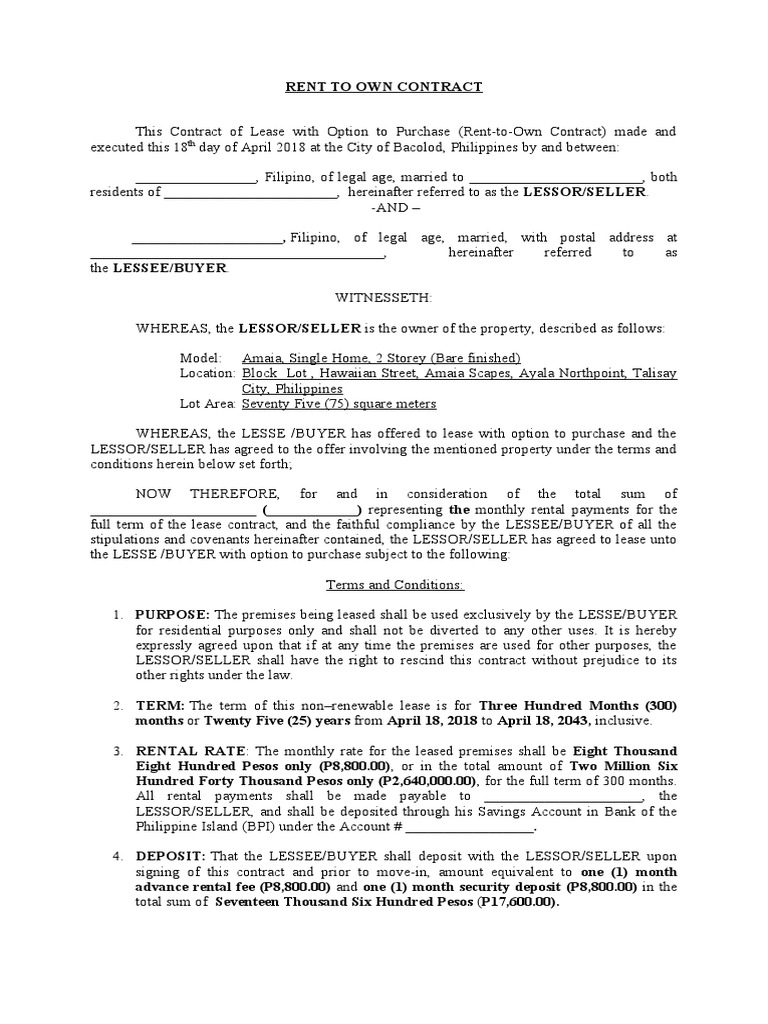
A rent-to-own contract, also known as a lease-option or lease-purchase agreement, offers a pathway to homeownership for individuals who might not qualify for a traditional mortgage immediately. It combines a rental agreement with an option to buy the property at a predetermined price. This arrangement provides flexibility for tenant-buyers to improve their credit or save for a down payment.
These agreements are complex legal documents. They typically involve an upfront, non-refundable option fee, which secures the tenant’s right to purchase the property. A portion of the monthly rent may also be credited towards the purchase price. Understanding the nuances of your specific contract is crucial for both parties involved.
Lease Option vs. Lease Purchase Agreements
It is important to differentiate between a lease option and a lease purchase agreement. A lease option gives the tenant the right, but not the obligation, to buy the property at the end of the lease term. Conversely, a lease purchase agreement obligates the tenant to buy the property, provided all contract conditions are met. The distinction significantly impacts the legal implications if a landlord attempts to break the agreement.
Both types of agreements require careful review by a qualified real estate attorney. The terms dictate the responsibilities of the tenant-buyer and the landlord. Furthermore, understanding these differences helps clarify potential scenarios where a landlord might legally or illegally try to terminate the contract.
Key Components of a Valid Rent-to-Own Agreement
A strong rent-to-own contract must include several essential elements to be legally binding. These components protect both the landlord and the tenant-buyer. Without these, the agreement might be deemed unenforceable in court, potentially impacting whether a landlord can break a rent-to-own contract without penalty.
Key components typically include:
- The agreed-upon purchase price of the property.
- The amount of the option fee and its non-refundable status.
- The portion of rent, if any, credited towards the purchase.
- The duration of the lease term and the option period.
- Clear definitions of maintenance responsibilities for both parties.
- Specific conditions for exercising the purchase option.
When Can a Landlord Break a Rent-to-Own Contract?
While rent-to-own contracts are designed to lead to homeownership, there are specific situations where a landlord might legally terminate the agreement. These scenarios usually involve a breach of contract by the tenant-buyer. It’s essential for tenant-buyers to understand their obligations to prevent such actions.
A landlord’s ability to break a rent-to-own contract hinges on the terms outlined in the agreement and applicable state laws. Generally, landlords cannot unilaterally decide to terminate the contract without a valid legal reason. This provides significant protection for tenant-buyers who adhere to their contractual duties.
Breach of Contract by the Tenant-Buyer
The most common reason a landlord can break a rent-to-own contract is if the tenant-buyer breaches the agreement. This often relates to financial obligations or property maintenance. For instance, consistent late rent payments or failure to maintain the property as stipulated can constitute a breach.
Other breaches might include violating terms related to property use or making unauthorized alterations. The contract should clearly define what constitutes a breach and the landlord’s remedies. Typically, the landlord must provide written notice and an opportunity to cure the breach before terminating the agreement.
Specific Clauses Allowing Landlord Termination
Some rent-to-own contracts may include specific clauses that allow the landlord to terminate the agreement under certain conditions. These clauses must be clearly stated and legally permissible. For example, a clause might allow termination if the property is condemned or if the landlord faces unforeseen financial hardship, though these are less common.
It is critical to have a legal professional review any such clauses before signing. An attorney can identify unfair or illegal terms that might put the tenant-buyer at a disadvantage. Understanding these provisions helps clarify when a landlord can break a rent-to-own contract legitimately.
Legal vs. Illegal Reasons for Breaking the Agreement
A landlord breaking a rent-to-own contract for legitimate reasons typically involves a tenant-buyer’s breach. However, landlords sometimes attempt to terminate for illegal reasons. For example, if the property value increases significantly, a landlord might try to back out to sell at a higher market price. This is generally an illegal breach on the landlord’s part.
Illegal termination can also occur if the landlord fails to maintain the property as agreed, making it uninhabitable. Such actions can lead to legal consequences for the landlord. Tenant-buyers have strong protections against arbitrary or unlawful termination attempts by landlords.
Tenant-Buyer Protections: What Happens if a Landlord Breaks a Rent-to-own Contract?
If a landlord attempts to break a rent-to-own contract without a valid legal reason, tenant-buyers have significant legal recourse. These protections are designed to safeguard the tenant’s investment and their right to purchase the property. Understanding these options is vital for anyone in a rent-to-own situation.
The specific remedies available depend on the terms of the contract and state laws. However, courts generally favor upholding valid contracts. This means landlords face serious consequences for unlawful termination. Therefore, if you wonder, “can a landlord break a rent-to-own contract illegally?”, know that protections exist.
Seeking Legal Recourse: Lawsuits and Damages
When a landlord unlawfully breaks a rent-to-own contract, the tenant-buyer can file a lawsuit for breach of contract. This legal action seeks to recover damages incurred due to the landlord’s actions. Damages might include the option fee, any rent credits, moving expenses, and the difference between the agreed-upon purchase price and the current market value.
Additionally, the tenant-buyer might seek compensation for emotional distress or other losses. Consulting with a real estate attorney is the first step in pursuing such a claim. They can assess the situation and advise on the best course of action to protect your interests.
Specific Performance and Injunctive Relief
In some cases, monetary damages alone may not be sufficient. Tenant-buyers might pursue specific performance, a legal remedy that compels the landlord to fulfill their contractual obligations. This means the court orders the landlord to sell the property to the tenant-buyer as originally agreed.
Injunctive relief, such as a temporary restraining order, can prevent the landlord from selling the property to another party while the legal dispute is ongoing. These remedies are powerful tools for tenant-buyers seeking to enforce their right to purchase the home. They directly address the question of whether a landlord can break a rent-to-own contract without consequence.
Importance of Recording the Agreement
Recording the rent-to-own agreement with the county recorder’s office is a crucial protective measure. This publicly records the tenant-buyer’s interest in the property. It serves as notice to third parties, including potential new buyers or creditors, that an existing agreement is in place.
If the landlord attempts to sell the property to someone else, the recorded agreement makes it difficult for them to claim ignorance. This step significantly strengthens the tenant-buyer’s position if the landlord tries to break the contract. It provides an extra layer of security against unlawful termination.
How to Protect Yourself: Avoiding a Landlord Breaking Your Rent-to-Own Contract
Prevention is always better than cure, especially with significant financial commitments like a rent-to-own agreement. Taking proactive steps can significantly reduce the risk of a landlord attempting to break your contract. Diligence and legal advice are your best defenses.
Understanding your rights and responsibilities from the outset is paramount. This proactive approach helps ensure the agreement proceeds smoothly towards homeownership. It minimizes the chances of facing the question, “can a landlord break a rent-to-own contract against my will?”
Thorough Due Diligence Before Signing
Before signing any rent-to-own contract, conduct extensive due diligence on both the property and the landlord. Research the landlord’s reputation and financial stability. Verify property ownership and check for any liens or encumbrances that could jeopardize the sale.
Inspect the property thoroughly and consider a professional home inspection. Ensure the purchase price is fair and comparable to market values. This careful investigation helps avoid future disputes and protects your investment.
The Role of Legal Counsel in Reviewing Contracts
Never sign a rent-to-own contract without having it reviewed by an experienced real estate attorney. An attorney can identify unfavorable clauses, clarify ambiguous language, and ensure the agreement complies with all state and local laws. They can also explain your rights and obligations in detail.
Legal counsel provides invaluable protection by ensuring the contract is fair and enforceable. This professional review is arguably the most critical step in protecting yourself. It directly addresses the potential for a landlord to break a rent-to-own contract by ensuring a solid foundation.
Documenting All Communications and Payments
- Keep detailed records of all payments made, including rent, option fees, and any repair contributions.
- Maintain copies of all written communications, such as emails, letters, and notices exchanged with the landlord.
- Document any verbal agreements or discussions in writing, confirming them with the landlord via email or letter.
- Take photos or videos of the property’s condition, especially before moving in and after any repairs.
Thorough documentation provides concrete evidence in case of a dispute. These records are invaluable if a landlord attempts to claim a breach of contract or unlawfully terminate the agreement. Strong documentation strengthens your legal position significantly.
State-Specific Laws on Rent-to-Own Contracts and Landlord Actions
Rent-to-own agreements are subject to both federal and state laws, with state laws often providing the most specific regulations. These laws vary significantly from one state to another. What is permissible in one state regarding a landlord breaking a rent-to-own contract might be illegal in another.
Some states offer stronger consumer protections for tenant-buyers, while others provide more flexibility for landlords. Understanding the specific laws in your jurisdiction is crucial. This knowledge empowers you to better protect your interests.
Variations in Consumer Protection Laws
Many states have specific consumer protection laws that apply to rent-to-own agreements. These laws might regulate the content of the contract, disclosure requirements, and the remedies available to tenant-buyers. For example, some states require that option fees be held in escrow.
Other states may classify rent-to-own agreements as equitable mortgages, granting tenant-buyers similar rights to homeowners. These variations significantly impact the legal landscape if a landlord attempts to break the contract. Always research your state’s specific regulations.
Impact of Foreclosure on Rent-to-Own Agreements
A significant risk in rent-to-own agreements is the possibility of the landlord’s property going into foreclosure. If the landlord fails to make mortgage payments, the bank can seize the property. In such cases, the tenant-buyer’s option to purchase might be jeopardized.
The impact of foreclosure on a rent-to-own agreement varies by state and the specifics of the contract. Some states offer protections for tenants in foreclosure, while others may leave tenant-buyers vulnerable. This scenario highlights the importance of due diligence on the landlord’s financial standing. You can find more information about tenant rights during foreclosure from the Consumer Financial Protection Bureau here.
Seeking Local Legal Advice
Given the complexities and state-specific variations, seeking local legal advice is indispensable. A local real estate attorney understands the specific laws and precedents in your area. They can provide tailored advice on your rent-to-own contract and any potential disputes.
This expert guidance is crucial if you suspect your landlord is attempting to unlawfully break the agreement. An attorney can help you navigate the legal system and enforce your rights effectively. Do not hesitate to seek professional help when questions arise about your contract.
Frequently Asked Questions
Can a landlord evict me during a rent-to-own agreement?
Yes, a landlord can evict you during a rent-to-own agreement, but only if you breach the terms of the lease portion of the contract. Common reasons for eviction include non-payment of rent, violating property rules, or causing significant damage. The eviction process must follow standard landlord-tenant laws in your state, typically requiring proper notice and a court order.
What if the landlord sells the property before I buy it?
If your rent-to-own agreement is properly recorded and legally binding, the landlord generally cannot sell the property to another party without honoring your option to purchase. A recorded agreement provides public notice of your interest. If they attempt to sell, you may have grounds for a lawsuit seeking specific performance or damages, compelling them to sell to you instead.
Do I get my option fee back if the landlord breaks the contract?
If the landlord unlawfully breaks the rent-to-own contract, you are typically entitled to a refund of your option fee and any rent credits. The option fee is usually non-refundable if the tenant-buyer decides not to purchase, but it becomes recoverable if the landlord is at fault for the contract’s termination. You may also be able to recover other damages.
Is a verbal rent-to-own agreement legally binding?
Generally, no. Most states require real estate contracts, including rent-to-own agreements, to be in writing to be legally enforceable. A verbal agreement is highly difficult to prove in court and offers little to no protection for either party. Always insist on a comprehensive written contract reviewed by an attorney.
What steps should I take if my landlord tries to break the contract?
First, review your contract carefully to understand the terms and conditions. Then, gather all documentation, including payments and communications. Send a written notice to your landlord, referencing the contract and stating your intent to enforce it. Finally, consult with a real estate attorney immediately to discuss your legal options and next steps.
Conclusion: Navigating Rent-to-Own Contracts with Confidence
While the question “can a landlord break a rent-to-own contract” has a conditional “yes,” tenant-buyers possess significant legal protections. Understanding your contract, fulfilling your obligations, and performing thorough due diligence are essential. Proactive measures, such as recording the agreement and seeking legal counsel, provide the strongest defense against unlawful termination.
Rent-to-own agreements offer a viable path to homeownership, but they demand careful attention to detail. By being informed and prepared, you can navigate these contracts with greater confidence. Protect your investment and your future home by prioritizing legal review and diligent record-keeping. If you are considering a rent-to-own agreement, consult with a real estate attorney to ensure your rights are fully protected.