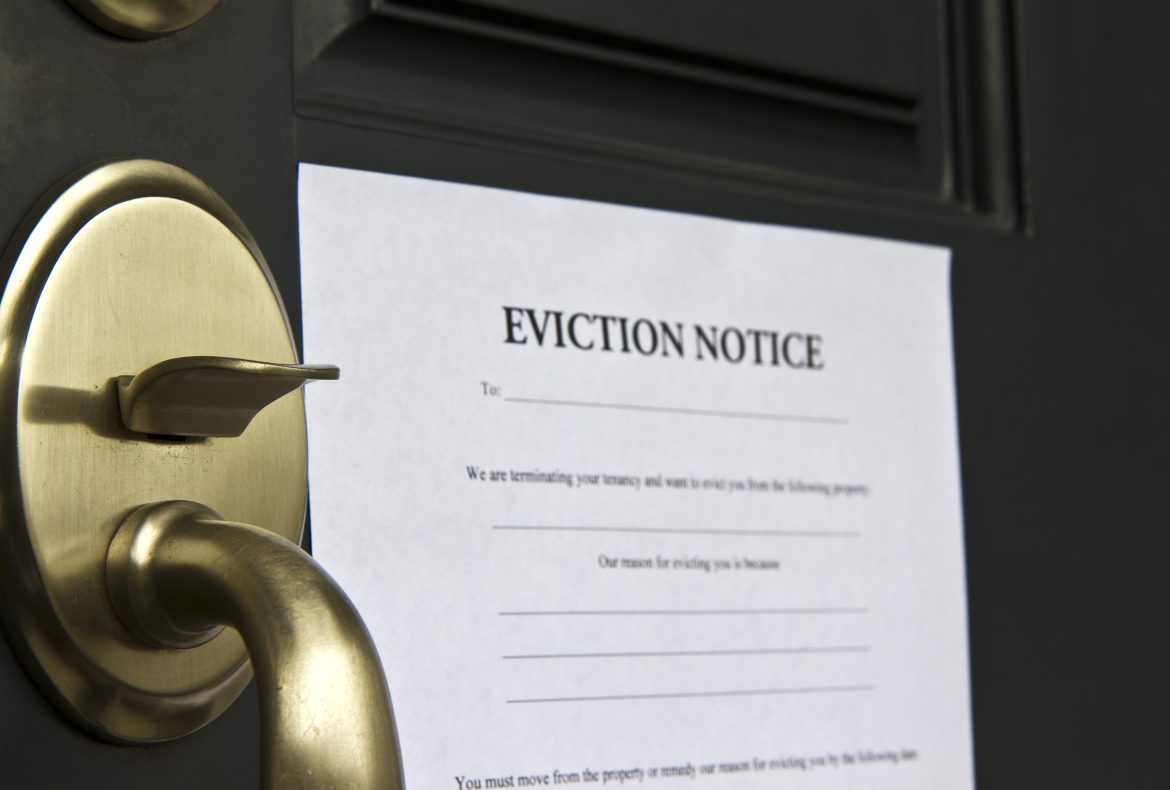
Navigating the complexities of landlord-tenant law can be challenging for anyone. Many tenants often wonder, “can a landlord evict you” under various circumstances. The straightforward answer is yes, but only if specific legal procedures are followed and valid grounds exist. Understanding your rights and the legal framework is crucial for both renters and property owners.
When Can a Landlord Evict You? Legal Grounds for Eviction
Landlords cannot simply evict a tenant on a whim. There are strict legal grounds that must be met for an eviction to proceed lawfully. These reasons are typically outlined in state and local landlord-tenant laws. Furthermore, the lease agreement itself often specifies conditions that could lead to eviction.
Understanding these permissible reasons is vital for tenants. It helps them know when their tenancy might be at risk. Conversely, landlords must adhere to these rules to avoid illegal eviction practices. This ensures a fair and just process for all parties involved in the rental agreement.
Non-Payment of Rent: The Most Common Reason
Non-payment of rent is by far the most frequent cause for eviction. When a tenant fails to pay rent by the due date, the landlord typically serves a “Pay or Quit” notice. This notice gives the tenant a specific period, often 3-5 days, to pay the overdue rent or move out.
If the tenant does not comply within this timeframe, the landlord can then proceed with filing an eviction lawsuit. It is important to note that even a single late payment can initiate this process. Therefore, tenants should always prioritize timely rent payments.
Lease Violations: Breaking the Rules and Agreements
Another common ground for eviction involves violations of the lease agreement. These violations can range from unauthorized pets to excessive noise or property damage. The lease serves as a contract, and breaking its terms can have serious consequences.
Landlords usually issue a “Cure or Quit” notice for such violations. This notice allows the tenant a chance to correct the breach within a set period, often 10-30 days. However, some severe violations, like illegal activities on the property, may not offer a cure period and can lead to immediate termination notices.
End of Lease Term: No-Fault Evictions and Holdovers
When a fixed-term lease expires, a landlord can choose not to renew it. This is generally considered a “no-fault” eviction, as it doesn’t require a tenant violation. The landlord must provide proper notice, as specified by state law, that the lease will not be renewed.
If a tenant remains on the property after the lease term ends and the landlord has not agreed to a renewal, they become a “holdover tenant.” At this point, the landlord can initiate eviction proceedings. The tenant no longer has a legal right to occupy the premises. This scenario highlights the importance of understanding lease terms and renewal policies.
The Eviction Process: How Can a Landlord Evict You Legally?
The legal eviction process is structured and must be followed precisely by landlords. Any deviation from these steps can invalidate the eviction. Tenants have specific rights throughout this process, and understanding each stage is crucial for their defense.
It is not a quick process, often taking weeks or even months depending on the jurisdiction and specific circumstances. Landlords must obtain a court order to legally remove a tenant. This prevents landlords from taking matters into their own hands.
Serving an Eviction Notice (Notice to Quit)
The first formal step in the eviction process is serving an eviction notice, also known as a “Notice to Quit.” This written document informs the tenant of the landlord’s intent to terminate the tenancy. It specifies the reason for eviction and the deadline for the tenant to comply or vacate.
Different types of notices exist, such as “Pay or Quit,” “Cure or Quit,” or “Unconditional Quit” notices. The notice must be properly delivered according to state law, often via certified mail or personal service. This step is a prerequisite for any legal action.
Filing an Eviction Lawsuit (Unlawful Detainer Action)
If the tenant does not comply with the eviction notice, the landlord can then file an eviction lawsuit with the local court. This legal action is typically called an “Unlawful Detainer” action. The landlord becomes the plaintiff, and the tenant is the defendant.
The court will issue a summons and complaint, which must be formally served on the tenant. This document notifies the tenant of the lawsuit and the scheduled court date. It is critical for tenants to respond to this summons promptly.
Court Hearing, Judgment, and Writ of Possession
During the court hearing, both the landlord and tenant present their cases to a judge. The judge will review evidence and testimonies to determine if the eviction is legally justified. If the judge rules in favor of the landlord, an eviction judgment is issued.
Following the judgment, the court typically issues a “Writ of Possession” or “Warrant of Removal.” This document authorizes law enforcement, usually the sheriff, to physically remove the tenant and their belongings from the property. This is the only legal way a tenant can be forcibly removed from their home.
- Notice to Quit: Landlord serves a formal written notice to the tenant.
- Court Filing: If no compliance, landlord files an eviction lawsuit.
- Summons & Complaint: Tenant receives official court documents.
- Court Hearing: Both parties present their case to a judge.
- Judgment & Writ: If landlord wins, court issues an eviction order and writ.
- Physical Removal: Sheriff enforces the writ, removing the tenant.
What a Landlord Cannot Do: Illegal Eviction Tactics and Tenant Protections
While a landlord can evict you legally, there are many actions they are strictly prohibited from taking. These illegal tactics are often referred to as “self-help” evictions and are against the law in most jurisdictions. Tenants are protected from such unlawful practices and have recourse.
Knowing these protections is vital for tenants to assert their rights. Many states have strong tenant protection laws in place. These laws aim to ensure that all evictions proceed through the proper legal channels, preventing harassment and unfair treatment.
Self-Help Evictions: Changing Locks or Shutting Off Utilities
Landlords are absolutely forbidden from using “self-help” eviction methods. This includes changing locks, removing a tenant’s belongings, or shutting off essential utilities like water or electricity. Such actions are illegal and can result in significant penalties for the landlord.
If a landlord attempts a self-help eviction, tenants should immediately contact local law enforcement or a legal aid organization. These actions bypass the legal eviction process and violate a tenant’s right to due process. Tenants can often sue landlords for damages resulting from such illegal acts.
Retaliatory Evictions: When a Landlord Evicts You Illegally
A landlord cannot evict a tenant in retaliation for exercising their legal rights. For instance, if a tenant reports unsafe living conditions or joins a tenant’s union, the landlord cannot then initiate an eviction. Many states have laws specifically protecting tenants from retaliatory evictions.
Evidence of a tenant’s protected activity followed by an eviction notice can be a strong defense in court. Tenants should document all communications and actions taken. This helps prove that the eviction is retaliatory rather than based on legitimate grounds. For more information on tenant rights, you can visit official government resources like HUD’s website: HUD Tenant Rights.
Discriminatory Evictions: Protected Classes and Fair Housing Laws
Evictions based on discrimination are strictly prohibited under federal and state Fair Housing Laws. Landlords cannot evict or refuse to rent to someone based on their race, color, religion, sex, national origin, familial status, or disability. Some states and cities also include additional protected classes.
If a tenant believes they are being evicted due to discrimination, they should seek legal counsel immediately. Documenting any discriminatory remarks or actions is crucial. These laws ensure equal housing opportunities for everyone, protecting vulnerable populations from unfair treatment.
- No changing locks: Landlords cannot lock you out of your home.
- No utility shut-offs: Disconnecting power, water, or heat is illegal.
- No property removal: Landlords cannot remove your personal belongings.
- No harassment: Intimidating or threatening tenants is prohibited.
Tenant Defenses: Can You Stop a Landlord From Evicting You?
Even if a landlord initiates an eviction, tenants often have legal defenses available. Understanding these defenses can potentially stop or delay an eviction. It is crucial for tenants to respond to any eviction lawsuit and appear in court.
Ignoring an eviction notice or court summons will almost certainly result in a default judgment against the tenant. Therefore, proactive engagement with the legal process is key. Seeking legal advice from a housing attorney or legal aid service is highly recommended.
Paying Rent After Notice and Cure Periods
In many jurisdictions, if a tenant receives a “Pay or Quit” notice, they can stop the eviction by paying the full amount of overdue rent, plus any late fees, within the specified notice period. This is often referred to as the “right to cure.”
Even after an eviction lawsuit is filed, some states allow tenants to pay all owed rent and court costs to “redeem” their tenancy. However, this right to redemption is not universal and often has strict deadlines. Always check local laws regarding this option.
Uninhabitable Living Conditions (Repair and Deduct)
Tenants may have a defense if the landlord has failed to maintain the property, making it uninhabitable. This includes issues like lack of heat, severe plumbing problems, or pest infestations. Most states require landlords to provide safe and habitable living conditions.
In some cases, tenants may have the right to “repair and deduct” or withhold rent, but this must be done very carefully and according to specific state laws. Improperly withholding rent can lead to a valid eviction. Therefore, always consult with a legal professional before taking such action.
Improper Notice or Procedural Errors by the Landlord
A common tenant defense involves procedural errors made by the landlord. If the landlord fails to provide proper notice, serves the notice incorrectly, or makes mistakes in the court filing, the eviction case could be dismissed. These technicalities are important.
For example, if a notice to quit does not specify the correct amount of rent owed or gives insufficient time, it might be invalid. A judge will often require landlords to restart the eviction process if significant procedural errors are found. This can buy tenants valuable time to find new housing or resolve issues.
After an Eviction: What Happens Next and Seeking Assistance
An eviction judgment can have significant and long-lasting consequences for a tenant. It’s not just about losing a home; it affects various aspects of future stability. Understanding these impacts is important for anyone facing such a situation.
However, resources are available to help individuals navigate the aftermath of an eviction. Seeking assistance promptly can mitigate some of the negative effects. There are often organizations dedicated to helping tenants in distress.
Impact on Credit, Rental History, and Future Housing
An eviction can severely damage a tenant’s credit score, making it difficult to secure loans or other financial services. Furthermore, eviction records typically appear on background checks conducted by future landlords. This can make finding new housing extremely challenging.
Many landlords screen for prior evictions and may deny applications based on this history. It is a significant black mark on a tenant’s rental history. Therefore, avoiding an eviction through negotiation or defense is always the best course of action if possible.
Seeking Legal Aid, Housing Assistance, and Tenant Resources
If you are facing eviction or have recently been evicted, numerous resources can provide support. Legal aid organizations offer free or low-cost legal services to eligible tenants. They can help you understand your rights and represent you in court.
Additionally, local housing authorities and non-profit organizations often provide emergency housing assistance, rental subsidies, and referrals to other vital services. Do not hesitate to reach out for help; there are people and programs designed to assist during these difficult times.
FAQs: Can a Landlord Evict You?
Understanding the nuances of eviction law can be complex. Here are some frequently asked questions to clarify common concerns regarding whether a landlord can evict you.
Can a landlord evict you without a reason?
Generally, no, a landlord cannot evict you without a legally recognized reason. For tenants on a month-to-month lease, a landlord can choose not to renew the tenancy, but they must provide proper written notice, typically 30 or 60 days, as required by state law. For fixed-term leases, an eviction usually requires a lease violation or non-payment of rent. Some specific circumstances, like owner move-ins in rent-controlled areas, might allow for “no-fault” evictions, but these still require strict adherence to legal procedures.
Can a landlord evict you if there’s no lease?
Yes, a landlord can evict you even without a formal written lease agreement. If you are paying rent, you are likely considered a “month-to-month” tenant or a “tenant at will.” In such cases, the landlord must still follow the legal eviction process, including providing proper written notice to terminate your tenancy, typically 30 or 60 days depending on local laws. They cannot simply tell you to leave without following the required notice periods and court procedures.
How long does it take for a landlord to evict you?
The eviction process length varies significantly by state, local laws, and court caseloads. It typically takes anywhere from a few weeks to several months. This timeframe includes the notice period, the time for the landlord to file a lawsuit, court hearing schedules, and the issuance of a writ of possession. Factors like tenant defenses, court backlogs, or appeals can further extend the process. It is rarely an immediate action.
What happens if you refuse to leave after an eviction notice?
If you refuse to leave after receiving a valid eviction notice, the landlord must then file an eviction lawsuit in court. You will receive a summons and complaint, requiring you to appear before a judge. If the court rules in favor of the landlord, a judgment will be issued, followed by a “Writ of Possession.” This writ authorizes the sheriff or other law enforcement to physically remove you and your belongings from the property. Refusing to leave without a legal defense can lead to a forced removal and a formal eviction record.
Can a landlord evict you for having pets if the lease says no?
Yes, if your lease agreement explicitly prohibits pets, a landlord can initiate eviction proceedings if you violate this term. They would typically issue a “Cure or Quit” notice, giving you a chance to remove the pet or face eviction. However, there are exceptions for service animals and emotional support animals, which are protected under federal disability laws. In these cases, tenants must follow specific procedures to request reasonable accommodation. Always review your lease carefully regarding pet policies.
Conclusion: Knowing Your Rights When a Landlord Evicts You
Understanding when and how a landlord can evict you is paramount for any tenant. While landlords have the right to reclaim their property under specific circumstances, they must always adhere to strict legal processes. Tenants are protected by numerous laws designed to prevent illegal evictions and ensure fair treatment.
Arming yourself with knowledge about your rights, the legal grounds for eviction, and available defenses is your best protection. If you ever face an eviction notice, seek legal counsel immediately. Knowing your rights empowers you to navigate these challenging situations effectively and protect your housing stability. Share this information to help others understand their tenant rights!