Back to main guide: Complete Guide To Home Design
See also: Maximizing Small Spaces: Smart Design Solutions, Budget-Friendly DIY Home Decor Ideas, Modern Kitchen & Bathroom Design Trends.Embracing eco-friendly home design is no longer a niche trend but a vital step towards creating truly sustainable living spaces. As environmental concerns grow and the desire for healthier homes increases, more homeowners are looking to integrate green principles into their properties. This approach prioritizes minimizing environmental impact, conserving resources, and fostering a healthier indoor environment, ultimately contributing to a more sustainable future for everyone. It’s about building and living consciously, making choices that benefit both the planet and its inhabitants.
See also: Complete Guide to Home Design, Popular Interior Design Styles for Your Home.Understanding Eco-Friendly Home Design: Core Principles
Eco-friendly home design encompasses a holistic approach to building and renovating, focusing on reducing a home’s overall environmental footprint throughout its lifecycle. This involves thoughtful planning, material selection, and operational efficiency. The core principles aim to create a harmonious balance between human comfort and ecological preservation, ensuring that our living spaces contribute positively to the planet.
This design philosophy emphasizes several key areas, including energy efficiency, water conservation, responsible material sourcing, and promoting indoor air quality. By integrating these elements, homes become not only more environmentally sound but also more comfortable, cost-effective, and resilient. It’s a comprehensive strategy that redefines what a modern, responsible dwelling can be.
Minimizing Environmental Impact
A fundamental aspect of eco-friendly home design is significantly reducing the environmental impact associated with construction and daily living. This begins with site selection, aiming for locations that minimize disruption to natural ecosystems and reduce transportation needs. Furthermore, the design process itself seeks to optimize natural light and ventilation, lessening the reliance on artificial systems.
The goal is to lower carbon emissions, decrease waste generation, and protect biodiversity. By carefully considering every stage from conception to occupancy, designers and homeowners can make informed choices that contribute to a healthier planet. This proactive approach ensures that homes are built and operated with ecological responsibility at their forefront.
Sustainable Materials and Construction for a Greener Home
The choice of materials is paramount in eco-friendly home design, directly influencing a home’s environmental impact and long-term sustainability. Sustainable materials are typically those that are renewable, recycled, locally sourced, and have a low embodied energy – meaning less energy was used in their production and transport. Opting for these materials significantly reduces the carbon footprint of your construction project and supports ethical supply chains.
Beyond the materials themselves, sustainable construction practices focus on efficiency and waste reduction throughout the building process. This includes prefabrication to minimize on-site waste, careful planning to optimize material usage, and proper recycling of construction debris. Adopting these methods ensures that the building process itself is as green as the finished product.
Choosing the Right Materials
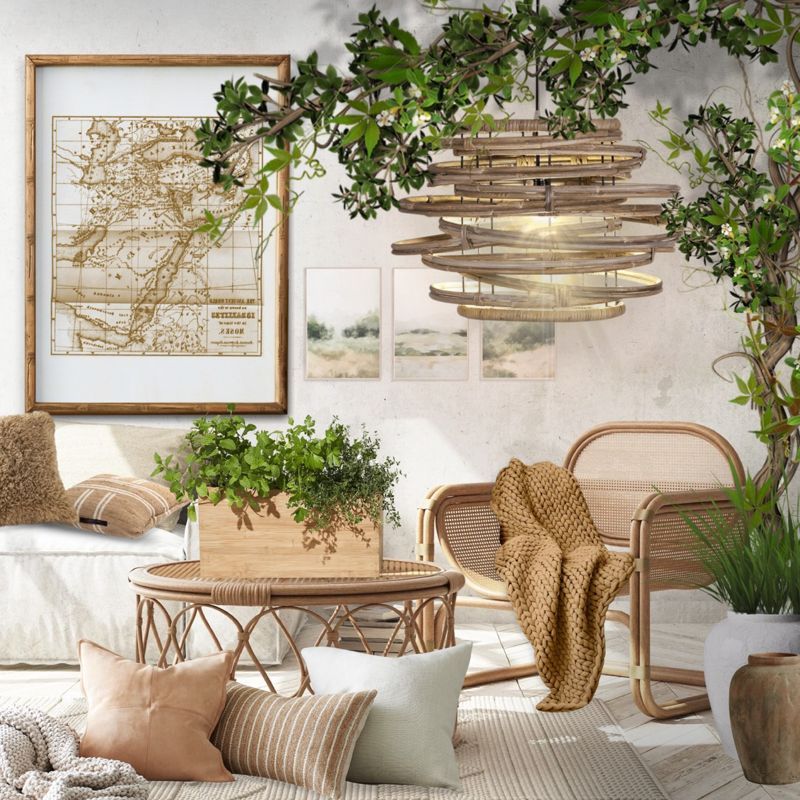
Selecting appropriate building materials involves looking for options that are durable, non-toxic, and renewable. Materials like bamboo, reclaimed wood, recycled steel, and natural insulation (such as cellulose or sheep’s wool) are excellent choices. These materials not only have a lower environmental impact but often contribute to better indoor air quality by emitting fewer volatile organic compounds (VOCs).
Consideration should also be given to the lifecycle of materials, evaluating their durability, maintenance requirements, and recyclability at the end of their useful life. Prioritizing products with environmental certifications, such as Forest Stewardship Council (FSC) certified wood, provides assurance of their sustainable origins. Making informed decisions about materials is a cornerstone of true eco-friendly design.
Minimizing Waste and Toxins
Reducing waste during construction and throughout a home’s lifespan is a critical component of sustainable building. This means implementing strategies like careful material ordering to prevent excess, reusing salvaged materials, and setting up comprehensive recycling programs for construction debris. The aim is to divert as much waste as possible from landfills, transforming it into valuable resources.
Equally important is the minimization of toxic chemicals in building materials and finishes. Opting for low-VOC paints, sealants, and adhesives protects both the environment and the health of the home’s occupants. Creating an environment free from harmful substances is a key benefit of eco-friendly design, contributing to superior indoor air quality and overall well-being.
Maximizing Efficiency: Energy, Water, and Waste Management
Maximizing efficiency is a cornerstone of eco-friendly home design, directly translating into reduced utility bills and a smaller environmental footprint. This involves intelligent systems and practices that conserve energy, water, and effectively manage waste. Thoughtful integration of these elements ensures your home operates as sustainably as possible, contributing to broader environmental goals.
From the initial design phase to daily living, there are numerous opportunities to enhance a home’s efficiency. These improvements not only save money but also reduce strain on natural resources and infrastructure. Prioritizing efficiency is a practical and impactful way to live more sustainably.
Energy Efficiency and Renewable Energy
Achieving energy efficiency starts with a well-insulated building envelope, including high-performance windows and doors, to minimize heat loss in winter and heat gain in summer. Energy-efficient appliances and LED lighting further reduce electricity consumption. Integrating smart home technology can also optimize energy use by automatically adjusting heating, cooling, and lighting based on occupancy and time of day.
Harnessing renewable energy sources like solar panels or geothermal systems can dramatically reduce or even eliminate reliance on fossil fuels. These technologies provide clean, sustainable power for your home, significantly lowering your carbon emissions. For more detailed information on green building practices and certifications, you might find resources from the U.S. Green Building Council helpful: USGBC.
Water Conservation Strategies
Water conservation is another vital aspect of sustainable living, especially in regions facing water scarcity. Installing low-flow fixtures, such as toilets, showerheads, and faucets, can significantly reduce indoor water consumption. Smart irrigation systems that respond to weather conditions and soil moisture levels also play a crucial role in conserving outdoor water.
Advanced strategies include rainwater harvesting systems, which collect and store rainwater for irrigation or non-potable uses, and greywater recycling systems, which treat water from sinks and showers for reuse. Implementing these systems drastically cuts down on municipal water demand, making your home more resilient and environmentally responsible.
Effective Waste Management
Beyond construction waste, effective waste management within the home is essential for sustainable living. This involves setting up convenient systems for recycling plastics, paper, glass, and metals. Composting organic waste, such as food scraps and yard trimmings, further reduces landfill contributions and creates valuable soil amendments for gardens.
Reducing consumption in the first place, through conscious purchasing and choosing durable, reusable items, is the most impactful waste management strategy. Opting for products with minimal packaging and supporting companies committed to sustainability also contributes to a circular economy model. These daily habits collectively make a significant difference.
Creating Healthy and Harmonious Living Environments
An eco-friendly home is not just about environmental benefits; it also profoundly impacts the health and well-being of its occupants. Sustainable design principles prioritize creating spaces that are comfortable, safe, and promote a sense of harmony. This holistic approach ensures that your home is a sanctuary that nurtures both body and mind.
By focusing on factors like air quality, natural light, and a connection to nature, these homes offer a superior living experience. They are designed to be intuitive, calming, and invigorating, truly enhancing the quality of life for everyone who resides within their walls. It’s an investment in both personal and planetary health.
Indoor Air Quality and Natural Light
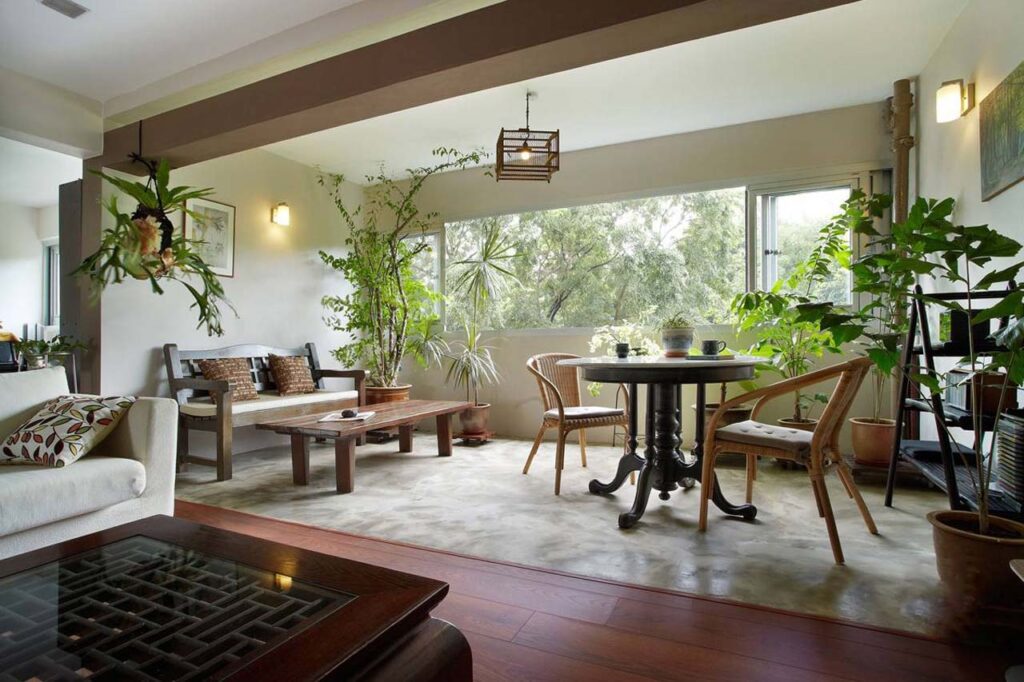
Maintaining excellent indoor air quality is paramount in an eco-friendly home. This is achieved by using low-VOC materials, ensuring adequate ventilation, and incorporating air-purifying plants. Good ventilation systems help to remove pollutants and circulate fresh outdoor air, preventing the buildup of allergens and toxins that can negatively impact respiratory health.
Maximizing natural light through thoughtful window placement and open floor plans reduces the need for artificial lighting, saving energy and positively affecting mood and productivity. Access to daylight has been shown to improve circadian rhythms, enhance cognitive function, and contribute to overall psychological well-being. It’s a simple yet powerful design element.
Connecting with Nature
Integrating elements of nature into home design, often referred to as biophilic design, fosters a deeper connection between residents and the natural world. This can involve incorporating indoor plants, creating views of natural landscapes, or designing accessible outdoor spaces like patios and gardens. Green roofs and living walls are also innovative ways to bring nature into urban environments.
This connection to nature has numerous proven benefits, including reduced stress levels, improved mental clarity, and enhanced emotional well-being. By blurring the lines between indoor and outdoor spaces, eco-friendly homes create serene and inspiring environments that promote a healthier, more balanced lifestyle. It’s about bringing the calm and beauty of the natural world directly into your daily life.
Embracing eco-friendly home design is a powerful way to live more responsibly and create a healthier, more sustainable future. By thoughtfully selecting materials, maximizing efficiency, and prioritizing the well-being of occupants, these sustainable living spaces offer profound benefits for both people and the planet. Investing in green building principles is an investment in a better quality of life and a healthier world for generations to come.
1 thought on “Eco-friendly Home Design: Sustainable Living Spaces”