Navigating the world of interior design for compact living areas can feel like a puzzle. Many people wonder what is the best home decor style for small spaces to maximize both aesthetics and functionality. The truth is, several styles excel in creating an illusion of space, enhancing comfort, and providing smart storage solutions. This guide will explore top design philosophies and practical tips to transform your compact home into a stylish, efficient sanctuary. We aim to help you discover the perfect decor approach for your unique small space.
Unlocking the Best Home Decor Style for Small Spaces
Understanding the specific needs of smaller homes is the first step toward successful design. Small spaces require thoughtful planning and strategic choices. Your goal should be to make every square foot count, both visually and practically.The Quest for Ideal Small Space Living
Living in a compact area presents unique challenges. You need to balance storage, comfort, and personal expression. Overcrowding or poor layout can make a small room feel even smaller and less inviting. Therefore, selecting the right decor style becomes paramount for a harmonious environment.What to Expect from This Comprehensive Guide
This article will delve into popular decor styles that naturally suit smaller footprints. Furthermore, we will provide actionable tips on furniture selection, color palettes, and lighting techniques. By the end, you will have a clear roadmap to design your compact home effectively. You will understand what is the best home decor style for small spaces for your personal taste.Why Choosing the Right Home Decor Style for Small Spaces Matters
The style you choose profoundly impacts how you experience your home. For smaller areas, this impact is even more significant. A well-chosen decor style can make your home feel larger, brighter, and more organized.Common Challenges of Compact Living Areas
Limited floor space and storage are primary concerns in small homes. Clutter can quickly accumulate, leading to feelings of overwhelm. Additionally, creating distinct zones for different activities can be difficult. These challenges highlight the need for smart design solutions.How Decor Influences Perception and Functionality
Thoughtful decor can trick the eye, making rooms appear more expansive. Light colors, reflective surfaces, and minimalist approaches all contribute to this effect. Moreover, the right style often incorporates multi-functional pieces, enhancing practical utility. This careful planning directly addresses the question of what is the best home decor style for small spaces.Setting the Stage for Smart Design Choices
By understanding these challenges and influences, you can make informed decisions. Prioritize styles that emphasize simplicity, light, and clever storage. This foundation will enable you to create a space that feels both open and highly functional. It’s about working smarter, not harder, with your existing footprint.Top Home Decor Styles for Small Spaces: A Detailed Look
Certain design styles naturally lend themselves to smaller living areas. They prioritize principles that are crucial for maximizing compact rooms. Let’s explore some of the most effective options.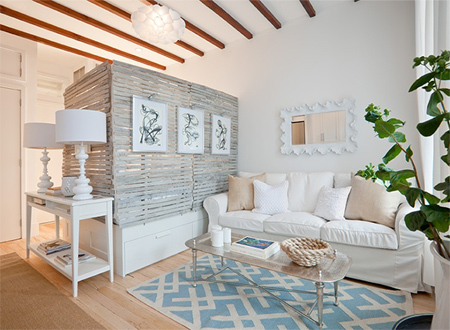
Minimalist and Scandinavian: Simplicity, Light, and Function
These styles are often considered the top contenders for small spaces. Minimalism focuses on clean lines, uncluttered surfaces, and essential items only. Scandinavian design, however, adds warmth through natural materials, soft textures, and a bright, airy feel. Both emphasize functionality and a serene aesthetic.- Minimalism: Focuses on “less is more,” promoting clear spaces and reducing visual noise.
- Scandinavian: Embraces natural light, simple forms, and a cozy, inviting atmosphere (Hygge).
- Key Elements: Neutral color palettes, natural wood, functional furniture, and ample natural light.
Modern and Contemporary: Clean Lines and Uncluttered Aesthetics
Modern and contemporary styles also excel in small spaces due to their emphasis on sleekness. They favor geometric shapes, open layouts, and a lack of excessive ornamentation. This approach prevents visual clutter, which is vital in compact environments.Coastal and Transitional: Brightness, Calm, and Adaptability
Coastal decor brings a light, airy, and relaxed feel, often using whites, blues, and natural textures. Transitional style blends traditional and modern elements, creating a balanced and adaptable look. Both styles promote an open and uncluttered atmosphere, making them suitable for smaller homes. They prioritize comfort without sacrificing elegance.Essential Design Principles for Small Space Home Decor
Regardless of your chosen style, certain principles are universally beneficial for small spaces. Implementing these ideas will significantly enhance your home’s appeal and functionality.Maximizing Vertical Space and Multi-Functional Furniture
Look upwards when designing your small space. Vertical storage, like tall bookshelves or wall-mounted shelves, draws the eye up and frees up floor space. Furthermore, multi-functional furniture is a game-changer. Consider pieces that serve dual purposes.- Choose shelving that extends to the ceiling for maximum storage.
- Invest in furniture like ottomans with storage, sofa beds, or nesting tables.
- Utilize wall space for decor and practical items, such as wall-mounted desks.
- Install floating shelves to display items without consuming floor area.
The Power of Light and Reflective Surfaces
Natural light is your best friend in a small room. Keep windows unobstructed and use sheer curtains if privacy is needed. Mirrors are incredibly effective at bouncing light around and creating the illusion of depth. They can visually double your space.Strategic Use of Color and Visual Flow
Light and neutral color palettes are generally recommended for small spaces. They reflect light and make rooms feel more open and airy. Additionally, maintaining a consistent color scheme throughout connected areas helps create a seamless visual flow. This prevents rooms from feeling cut off or cramped.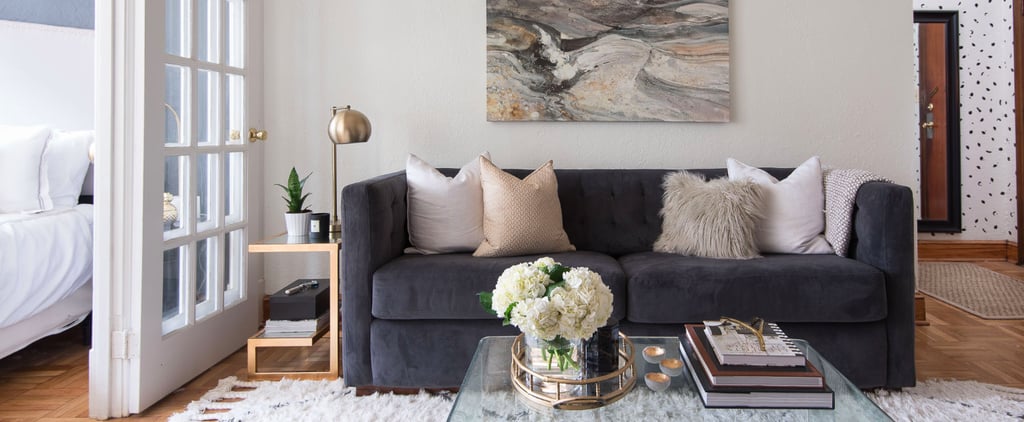
Smart Furniture, Storage, and Layout Solutions for Small Spaces
Careful selection of furniture and strategic layout are crucial elements. They dictate how well your small space functions and feels.Choosing Proportionate and Multi-Purpose Furniture
Avoid oversized furniture that overwhelms a small room. Instead, opt for pieces that are appropriately scaled. Furniture with slender legs, for example, allows light to pass underneath, making the room feel lighter. Look for items with built-in storage or those that can be easily moved.Integrated and Hidden Storage Ideas
Clutter is the enemy of small spaces. Seek out furniture with integrated storage, such as beds with drawers or coffee tables with lift-tops. Built-in shelving and custom cabinetry can also provide seamless, hidden storage. This keeps surfaces clear and maintains an organized look.Optimizing Room Layouts for Flow and Function
Arrange furniture to create clear pathways and avoid blocking natural light sources. Consider floating furniture away from walls to create a more open feel. Furthermore, define zones within a single room using rugs or subtle furniture arrangements. This helps to delineate different functions without solid barriers.Using Color, Lighting, and Accessories to Enhance Small Spaces
These elements are powerful tools for transforming the perception of a small room. They add personality without adding bulk.The Psychology of Color in Compact Areas
Light, cool colors like pale blues, greens, and grays tend to recede, making walls appear further away. A monochromatic scheme, using varying shades of one color, can also create a cohesive and expansive feel. Consider painting trim the same color as walls for an uninterrupted flow.Layering Lighting for Ambiance and Function
Don’t rely on a single overhead light. Instead, layer your lighting with various sources. This includes ambient lighting (general illumination), task lighting (for specific activities), and accent lighting (to highlight features). Proper lighting can create depth and warmth, making your small space feel inviting.Curating Accessories and Art Without Clutter
Choose accessories thoughtfully. A few well-chosen, meaningful pieces are better than many small, scattered items. Large-scale art can actually make a wall feel bigger than a gallery of small frames. For more inspiration on making the most of your compact living, consider exploring resources like Apartment Therapy’s small space living tips.Frequently Asked Questions About Home Decor Styles for Small Spaces
Many common questions arise when designing for compact living. Here are answers to some of the most frequent inquiries.What colors make a small room look bigger?
Light and neutral colors are best for making a small room appear larger. Think whites, off-whites, pale grays, light blues, and soft greens. These hues reflect light, creating an airy and open feel. Using a monochromatic scheme also helps to create visual continuity.
How can I make my small apartment feel more luxurious?
To add a luxurious feel, focus on quality over quantity. Incorporate rich textures like velvet or silk, use metallic accents, and choose sophisticated lighting fixtures. Keep clutter at bay and invest in one or two statement pieces, such as a beautiful mirror or a unique piece of art. High-quality bedding and plush rugs also elevate the space.
Is it possible to have a maximalist style in a small space?
While challenging, it is possible to incorporate maximalist elements in a small space. The key is careful curation and vertical display. Use walls for art and shelving, and choose a cohesive color palette to prevent visual chaos. Focus on a few bold patterns or textures rather than overwhelming the entire room. A maximalist approach in a small space requires intentionality and a strong sense of personal style.