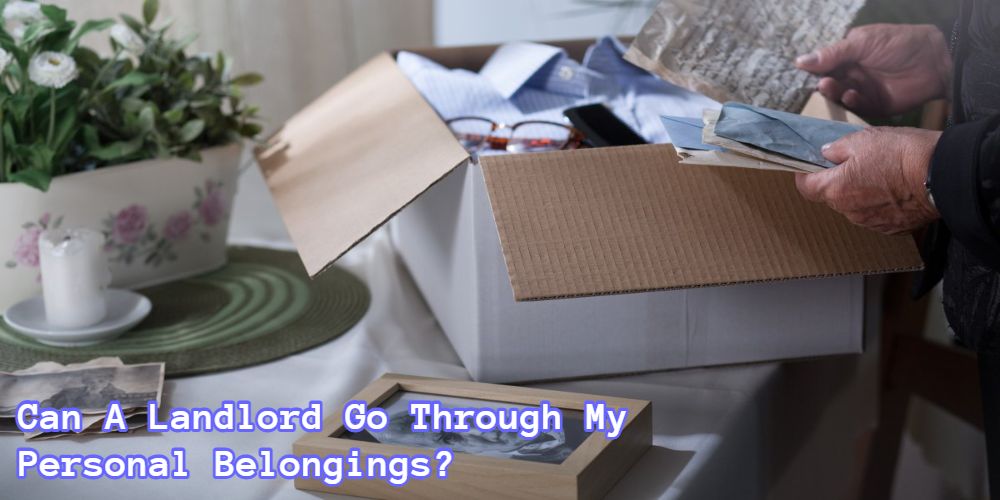
Understanding your rights as a tenant is crucial, especially when it comes to your personal space. Many renters often wonder, can a landlord touch your personal belongings? Generally, a landlord cannot touch, move, or dispose of your personal property without your explicit permission or a legal justification. Your home, even though rented, is protected by privacy laws. These protections ensure your possessions remain undisturbed.
Understanding Tenant Privacy Rights and Your Belongings
Tenant privacy is a fundamental aspect of rental agreements. It protects your personal space and possessions from unwarranted intrusion. Most jurisdictions uphold a tenant’s right to quiet enjoyment, which limits a landlord’s access to your rented unit. This right extends to your personal belongings inside the property.
Furthermore, your lease agreement often outlines the terms of entry and property management. It should clearly state when and why a landlord can enter. However, even with entry rights, touching or moving your personal items usually falls outside their permissible actions. Landlords must respect your privacy and property.
The Implied Covenant of Quiet Enjoyment
The implied covenant of quiet enjoyment is a legal principle. It guarantees a tenant the right to undisturbed use of their rented property. This means your landlord cannot interfere with your peaceful possession. Therefore, unauthorized handling of your personal belongings directly violates this covenant. It can lead to legal repercussions for the landlord.
Defining ‘Personal Belongings’ and Tenant Privacy
Personal belongings encompass all items you own within your rented space. This includes furniture, clothes, electronics, and keepsakes. Tenant privacy, moreover, ensures these items are secure from landlord interference. Your landlord cannot search through your drawers or move your furniture without proper consent. This protection is a cornerstone of tenant rights.
State and Local Variations in Tenant Rights
Tenant rights vary significantly by location. State laws and local ordinances dictate the specifics of landlord access and property handling. For instance, some states require 24-48 hours’ notice before entry, even for repairs. Therefore, it is essential to research your specific state and city laws. This knowledge empowers you to protect your rights.
When Can a Landlord Legally Access Your Property?
While tenant privacy is strong, there are specific situations where a landlord can legally enter your unit. These exceptions are typically outlined in your lease and state laws. However, even in these cases, the landlord’s right to access does not automatically extend to touching your personal belongings. They must still respect your property.
Landlords must provide proper notice for most non-emergency entries. This notice period allows you to prepare for their visit. Additionally, the purpose of their entry must be legitimate, such as for repairs or inspections. Understanding these conditions helps clarify when a landlord can be on your property versus when they can interfere with your items.
Emergency Situations: Immediate Entry
In emergencies, a landlord can enter without prior notice. This includes situations like fire, flood, or gas leaks. Their primary goal is to prevent further damage or ensure safety. Even in an emergency, however, their actions should be limited to addressing the immediate crisis. They should not unnecessarily interact with your personal belongings.
Required Notice for Entry: Repairs and Inspections
For routine maintenance, repairs, or inspections, landlords must provide advance notice. This notice period typically ranges from 24 to 48 hours, depending on local laws. During these entries, landlords should only access areas relevant to the task. They should avoid disturbing your personal items. If they need to move something, they should ask for permission first.
Abandonment of Property and Belongings
If a tenant abandons the property, the landlord’s rights change. Abandonment usually means the tenant has moved out permanently and stopped paying rent. Laws vary, but landlords often have specific procedures for handling abandoned personal belongings. They cannot simply dispose of everything immediately. Often, they must store items for a certain period and notify the tenant.
Illegal Landlord Actions: What Constitutes Touching Personal Belongings?
Understanding what actions are illegal helps tenants protect themselves. A landlord’s unauthorized interaction with your personal items is a serious breach of your rights. This can range from minor disturbances to significant interference. Knowing these boundaries is vital for all tenants.
Furthermore, such actions can be considered harassment or even illegal eviction attempts. Tenants should be aware that landlords cannot use your belongings as leverage. Your property is yours, and its security is protected by law. Therefore, any unauthorized handling is a violation.
Unauthorized Entry and Manipulation of Items
Entering your unit without proper notice or consent is illegal. If a landlord enters and then moves your furniture, searches your drawers, or otherwise manipulates your personal belongings, it is a clear violation. This infringes upon your privacy and the security of your possessions. It also undermines your right to quiet enjoyment.
Moving or Disposing of Tenant Property Without Consent
A landlord cannot move your furniture, throw away your food, or dispose of any of your personal belongings without your permission. This applies even if they believe the items are clutter. The only exception is if the property has been legally abandoned, and even then, specific procedures must be followed. Otherwise, it is illegal.
Harassment and Retaliation Through Belongings
Sometimes, landlords might touch or move belongings as a form of harassment or retaliation. This could happen if you’ve complained about repairs or asserted other tenant rights. Such actions are illegal and can be reported to housing authorities. Tenants have protections against retaliatory behavior from landlords. Seeking legal advice is prudent in these cases.
What to Do If Your Landlord Touches Your Belongings
If you discover your landlord has touched your personal belongings without permission, immediate action is necessary. Documenting the incident is your first and most important step. This evidence will be crucial if you need to pursue legal action. Do not hesitate to gather all relevant information.
Subsequently, clear and formal communication with your landlord is essential. You need to express your concerns and assert your rights in writing. If the issue persists, seeking external help from legal professionals or tenant advocacy groups becomes necessary. They can provide guidance and support.
Documenting the Incident: Evidence is Key
First, gather evidence. Take photos or videos of your moved or disturbed items. Note down dates, times, and specific details of the incident. If there are witnesses, get their statements. Keep a detailed log of all communications with your landlord regarding the issue. This creates a strong record.
- Take clear photos or videos of affected items.
- Record dates and times of suspected unauthorized entry.
- Keep a detailed written log of all incidents.
Communicating with Your Landlord: Formal Notification
Write a formal letter to your landlord. Clearly state the issue, reference your lease agreement, and cite relevant tenant rights laws. Request that they cease the unauthorized actions immediately. Send this letter via certified mail with a return receipt. This creates a legal record of your communication. for a sample cease and desist letter.
Seeking Legal Counsel or Tenant Advocacy
If your landlord does not respond or continues the behavior, seek legal advice. Contact a tenant rights organization or an attorney specializing in landlord-tenant law. They can inform you of your options, which might include filing a complaint or pursuing legal action. Many resources exist to help tenants understand their rights. Nolo.com offers valuable insights into tenant rights.
- Consult a local tenant rights organization.
- Contact an attorney specializing in landlord-tenant law.
- Understand your legal options, such as filing a complaint.
Preventative Measures: Protecting Your Personal Belongings from Landlords
Being proactive can help prevent landlord interference with your personal items. Clear communication and secure practices are key. Taking these steps can reduce the likelihood of issues arising. It also establishes clear boundaries from the start of your tenancy.
Furthermore, understanding your lease thoroughly is a powerful preventative tool. Knowing what it says about entry and property management empowers you. These measures help ensure your personal belongings remain secure and untouched. They reinforce your tenant rights.
Securing Your Unit and Valuables
Always lock your doors and windows. Consider adding a security camera inside your unit if allowed by your lease. Keep valuable items in secure, locked containers. While these steps don’t prevent all issues, they add layers of protection. They also provide evidence if unauthorized entry occurs.
Clear Communication and Lease Agreements
Review your lease agreement carefully before signing. Discuss any clauses about landlord entry or property management. Get any agreements about your personal belongings in writing. Clear communication upfront can prevent misunderstandings later. This sets expectations for both parties.
Tenant Insurance: An Added Layer of Protection
Consider purchasing renter’s insurance. This insurance protects your personal belongings against theft, damage, and other covered perils. While it doesn’t prevent a landlord from touching your items, it provides financial protection if items are damaged or stolen. It’s a smart investment for peace of mind.
Frequently Asked Questions
Can a landlord move my furniture if I’m still living there?
No, generally a landlord cannot move your furniture if you are still living in the unit without your explicit permission. This action constitutes an unauthorized interference with your personal belongings and your right to quiet enjoyment. Exceptions are extremely rare and usually involve an emergency or a prior agreement.
What if my landlord enters without notice and touches my things?
If your landlord enters without proper notice and touches your belongings, it is an illegal act. You should immediately document the incident with photos and notes. Then, send a formal written complaint to your landlord. If the behavior continues, seek advice from a tenant rights attorney or organization.
Can a landlord throw away my belongings after eviction?
After an eviction, a landlord cannot immediately throw away your belongings. Most states have specific laws regarding abandoned property after an eviction. Landlords must typically store your items for a set period and notify you. If they dispose of them improperly, you may have grounds for legal action.
Is it legal for a landlord to search my personal items?
No, it is generally illegal for a landlord to search through your personal items, such as drawers, closets, or bags. This is a severe violation of your privacy rights. Even if they have a right to enter the property, this does not grant them permission to search your private possessions.
What is the difference between abandoned property and personal belongings left behind?
Abandoned property refers to items left behind when a tenant has clearly vacated the premises permanently, often ceasing rent payments. Personal belongings left behind, however, might occur temporarily, perhaps during a move or if a tenant is still residing there. Laws treat these situations differently regarding a landlord’s rights to handle the items.
Conclusion: Protecting Your Rights and Personal Belongings
In conclusion, the answer to “can a landlord touch your personal belongings” is almost always no. Tenants have strong privacy rights that protect their possessions from landlord interference. Understanding these rights and the legal boundaries is paramount. Always document any violations and communicate formally with your landlord.
By taking preventative measures and knowing when to seek legal counsel, you can effectively safeguard your personal items. Your home is your sanctuary, and your landlord must respect that. Stay informed, protect your privacy, and ensure your personal belongings remain secure. Share this information to help other tenants know their rights!