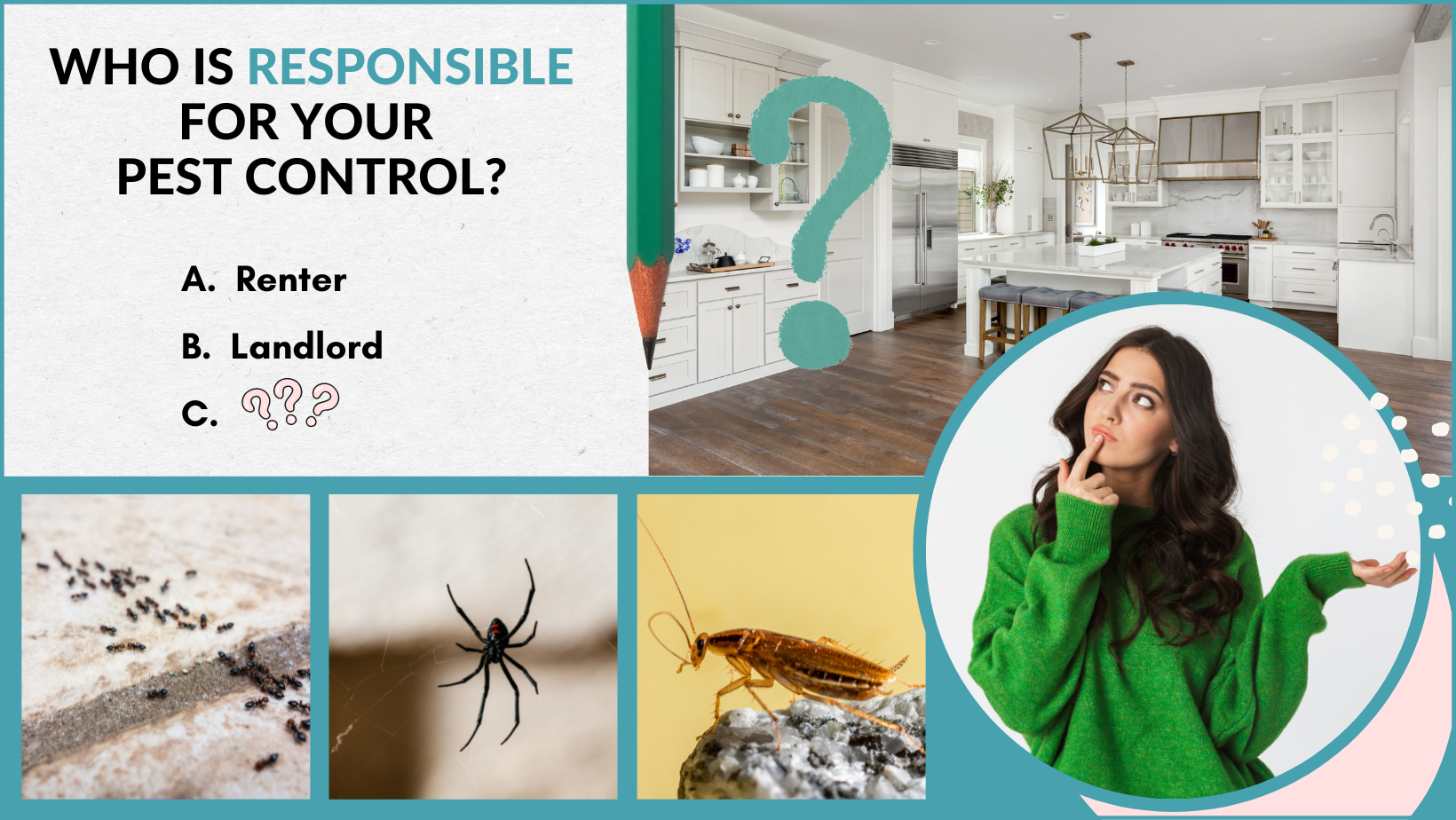
Navigating the complexities of rental agreements often brings up many questions, especially concerning property maintenance. A common concern for tenants and landlords alike is pest infestations. So, is a landlord responsible for pest control? Generally, yes, landlords typically bear the primary responsibility for pest control in most residential rental properties. This obligation stems from various legal principles, including the implied warranty of habitability, which ensures a safe and livable environment for tenants. Understanding these responsibilities is crucial for both parties to maintain a healthy tenancy.
Understanding Landlord Pest Control Responsibilities
Landlords have a fundamental duty to provide a habitable living space. This duty often extends to keeping the property free from pests. The specifics can vary, but the underlying principle is consistent across many jurisdictions. It ensures that tenants are not forced to live in unsanitary or unsafe conditions due to infestations.
General Implied Warranty of Habitability
The implied warranty of habitability is a legal doctrine. It mandates that rental properties must be fit for human habitation. This means the dwelling must be structurally sound and free from serious health hazards. Pests like rodents, cockroaches, and bed bugs often fall under this category. They can transmit diseases and cause property damage, directly impacting a tenant’s health and safety.
Lease Agreements and Pest Control Clauses
Many lease agreements contain specific clauses regarding pest control. These clauses often outline the responsibilities of both the landlord and the tenant. It is vital for tenants to carefully review their lease before signing. A clear lease can prevent disputes later on. However, even with a clause, state laws often override agreements that try to shift all responsibility to the tenant for pre-existing issues.
Proactive Landlord Pest Management
Responsible landlords often implement proactive pest management strategies. This includes regular inspections and preventative treatments. Addressing potential entry points and maintaining the property’s exterior can significantly reduce pest risks. Such measures benefit everyone involved. They protect the property investment and ensure tenant satisfaction.
State and Local Laws: Who is Responsible for Pest Control?
The question of “is a landlord responsible for pest control” is heavily influenced by location. Laws vary significantly from state to state and even city to city. These regulations often define the scope of landlord obligations. They also detail the tenant’s rights when an infestation occurs.
Overview of State-Specific Regulations (e.g., California, New York)
States like California and New York have robust tenant protection laws. In California, for instance, landlords must maintain the property in a habitable condition, which includes freedom from rodents and vermin. New York similarly places the burden on landlords to keep premises free of pests. These laws often dictate response times and acceptable living conditions. For more information on specific state laws, tenants can consult their state’s housing authority or legal aid organizations .
Local Ordinances and Health Codes
Beyond state laws, local municipalities often have their own ordinances and health codes. These local rules can provide additional protections for tenants. They might specify requirements for pest inspections or dictate how infestations must be reported and resolved. Always check local city or county housing department websites for specific details. Understanding these local nuances is key to knowing if a landlord is responsible for pest control in your area.
New vs. Existing Infestations: The “Discovery” Rule
A critical distinction in pest control responsibility is whether the infestation was new or pre-existing. If pests were present before the tenant moved in, the landlord is almost always responsible. This is often referred to as the “discovery rule.” If the infestation develops after the tenant moves in, the responsibility might depend on the cause. For example, if it’s due to structural issues, the landlord is liable. However, if it’s due to tenant negligence, the tenant may be responsible.
Common Pests and Landlord Obligations
The type of pest can sometimes influence who is responsible for eradication. Some pests are almost universally considered a landlord’s responsibility due to their nature. Others might have more nuanced rules depending on the circumstances.
Rodents (Mice, Rats) and Cockroaches
Infestations of rodents and cockroaches are typically a landlord’s responsibility. These pests are often indicative of structural issues or poor building maintenance. They pose significant health risks and can spread quickly. Landlords are generally expected to take immediate action to eliminate them. This includes sealing entry points and professional extermination services.
Bed Bugs: A Complex Case for Landlord Responsibility
Bed bugs present a more complex scenario. It is often difficult to determine the source of a bed bug infestation. Some states, like New York, specifically place the burden on landlords for bed bug eradication. However, in other areas, if a tenant introduces bed bugs, they might share some responsibility. Many jurisdictions now require landlords to disclose past bed bug issues. This helps tenants make informed decisions.
Other Pests (Ants, Fleas, Spiders)
For pests like ants, fleas, or spiders, the responsibility can be less clear-cut. If these pests are widespread and indicate a building-wide problem, the landlord is usually responsible. However, if a tenant’s pet introduces fleas, or if ants are attracted by a tenant’s poor sanitation, the tenant might be held accountable. Clear communication and documentation are essential in these situations.
- Rodents: Almost always landlord’s responsibility due to health risks.
- Cockroaches: Typically landlord’s duty, especially for building-wide issues.
- Bed Bugs: Often landlord’s responsibility, but varies by state and origin.
- Ants/Fleas/Spiders: Depends on the cause; landlord for structural, tenant for negligence.
When is a Tenant Responsible for Pest Control?
While the question “is a landlord responsible for pest control” often points to the landlord, there are specific situations where the tenant holds responsibility. These usually involve actions or inactions by the tenant that directly lead to the pest problem. Understanding these scenarios is important for both parties.
Tenant-Caused Infestations (Cleanliness, Neglect)
If an infestation arises directly from a tenant’s lack of cleanliness or neglect, the tenant might be responsible. For example, leaving food out, not disposing of trash properly, or maintaining unsanitary conditions can attract pests. In such cases, the landlord may require the tenant to cover the cost of extermination. This is often stipulated in the lease agreement.
Pests Introduced by the Tenant (e.g., pets, personal items)
Tenants may also be responsible if they introduce pests into the property. This could happen through pets carrying fleas or ticks. It might also occur if personal items brought into the unit are already infested with bed bugs. Proving this can be challenging, but clear evidence can shift the financial burden to the tenant. It highlights the importance of careful inspection before moving in.
Tenant’s Role in Prevention and Reporting
Even when a landlord is responsible, tenants have a role in prevention. This includes maintaining reasonable cleanliness and promptly reporting any pest sightings. Early detection can prevent minor issues from becoming major infestations. Failing to report a problem in a timely manner could potentially shift some responsibility to the tenant. This is especially true if the delay worsens the problem.
- Maintain a clean living environment.
- Dispose of trash regularly and properly.
- Report any pest sightings to the landlord immediately.
- Follow all terms of the lease agreement regarding property care.
Steps to Take If Your Landlord Isn’t Addressing Pests
If you believe your landlord is responsible for pest control but is failing to act, you have options. It’s important to follow a structured approach to protect your rights. This involves clear communication and documentation.
Documenting the Problem and Communication
First, thoroughly document the pest problem. Take photos or videos of the pests and any damage. Keep a detailed log of when and where you see them. Then, communicate with your landlord in writing. Send an email or certified letter describing the issue. Include your documentation and request a specific timeline for resolution. This creates a clear record of your efforts.
Formal Written Notice and Understanding Your Rights
If initial communication fails, send a formal written notice. Reference your lease agreement and relevant state or local laws. Clearly state that the landlord is in breach of their obligations. Research your tenant rights in your specific jurisdiction. Many states have laws allowing tenants to withhold rent or “repair and deduct” in certain circumstances. However, these actions often require strict adherence to legal procedures.
Potential Legal Recourse (e.g., repair and deduct, constructive eviction)
In severe cases, tenants might have legal recourse. “Repair and deduct” allows tenants to pay for pest control themselves and deduct the cost from rent. However, this is usually only permissible after specific legal notice periods. Another option, “constructive eviction,” occurs when the property becomes uninhabitable due to landlord inaction. This can allow a tenant to break the lease without penalty. Always seek legal advice from a housing attorney before taking these significant steps. They can clarify if a landlord is responsible for pest control and what your best course of action is.
Frequently Asked Questions
Can a landlord charge a tenant for pest control?
A landlord can generally charge a tenant for pest control if the infestation was caused by the tenant’s negligence or actions. This includes poor sanitation or introducing pests. However, if the infestation is due to structural issues or was present before the tenant moved in, the landlord typically cannot charge the tenant.
What if the infestation was present before I moved in?
If you can prove the infestation existed before you moved into the property, the landlord is almost always responsible for its eradication. This falls under the implied warranty of habitability. It is crucial to document any pest sightings immediately upon moving in. Notify your landlord in writing right away.
How quickly must a landlord address a pest problem?
The speed required for a landlord to address a pest problem varies by jurisdiction and the severity of the infestation. For serious issues like rodents or bed bugs, landlords are usually expected to act promptly, often within a few days. Minor issues might have a longer, but still reasonable, timeframe. Always check your local housing codes for specific deadlines.
Conclusion: Navigating Landlord Pest Control Responsibilities
Determining is a landlord responsible for pest control involves understanding a blend of legal obligations, lease agreements, and specific circumstances. While landlords generally hold the primary responsibility to provide a habitable, pest-free environment, tenants also have duties regarding cleanliness and prompt reporting. Awareness of state and local laws is paramount for both parties. Open communication and thorough documentation are your best tools in resolving any pest-related issues effectively. If you are experiencing a pest problem, gather your evidence, review your lease, and know your rights to ensure a healthy living space. For further guidance, consider reaching out to a local tenant advocacy group or legal counsel.