When can a landlord evict you? This is a crucial question for any tenant. Understanding your rights and responsibilities is essential to navigate the complexities of tenancy. Generally, a landlord can only evict you for specific, legally recognized reasons, and they must follow a strict legal process.
Understanding Legal Grounds for Eviction
Landlords cannot simply remove a tenant from their property on a whim. There must be a valid, legal reason for an eviction to proceed. These reasons are typically outlined in your lease agreement and are also governed by state and local laws. Therefore, knowing these grounds is your first line of defense.
What Constitutes a Valid Eviction Notice?
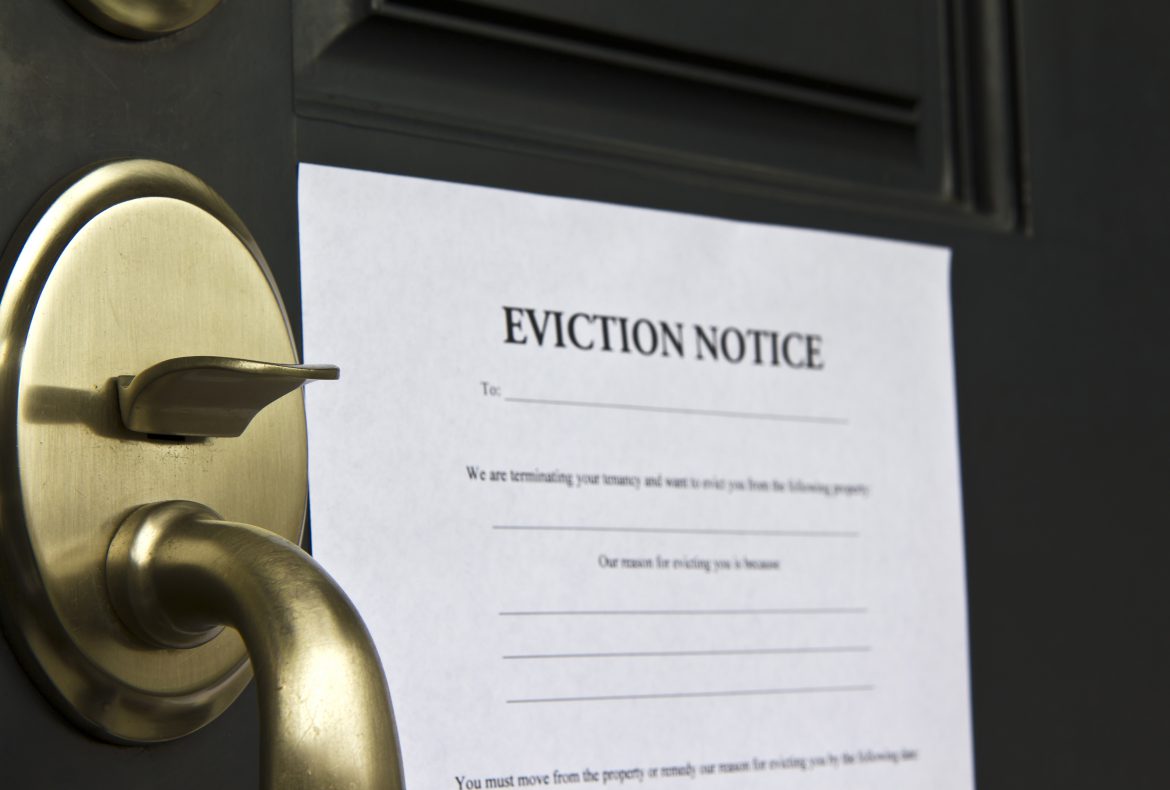
A valid eviction notice is the formal start of the eviction process. It must be in writing and clearly state the reason for eviction, the amount of time given to remedy the issue (if applicable), and the date by which you must comply. Furthermore, the notice must be properly served according to local legal requirements, which often involves certified mail or personal delivery. This initial step is critical.
State and Local Eviction Laws: A Complex Landscape
Eviction laws vary significantly from state to state, and even between cities. Some jurisdictions offer stronger tenant protections than others. For example, rent control areas often have “just cause” eviction requirements, meaning a landlord needs a very specific, approved reason to evict. Conversely, other areas may allow for no-cause evictions in month-to-month tenancies. It is vital to research the specific laws in your area.
The Eviction Process Overview: From Notice to Court
The eviction process is a legal procedure with several distinct stages. It typically begins with a formal notice, followed by the landlord filing a lawsuit in court if the tenant does not comply. Subsequently, a court hearing takes place, and if the landlord wins, a judgment for possession is issued. Finally, a law enforcement officer may enforce the eviction. This process can take weeks or even months.
When Can a Landlord Evict You for Non-Payment of Rent?
Non-payment of rent is one of the most common and straightforward reasons for eviction. Your lease agreement specifies when rent is due and any grace periods. Missing these deadlines can quickly lead to an eviction notice. Therefore, always prioritize paying your rent on time.
Grace Periods, Late Fees, and Rent Due Dates
Most leases include a grace period, typically 3-5 days after the due date, during which rent can be paid without penalty. However, after this period, landlords can often charge late fees as stipulated in the lease. It is important to understand that even with a grace period, rent is still considered late if not paid by the due date. Always check your lease for these specific terms.
The ‘Notice to Pay Rent or Quit’ Requirement
Before a landlord can file an eviction lawsuit for unpaid rent, they must serve a “Notice to Pay Rent or Quit.” This notice informs the tenant they have a specific number of days (e.g., 3-5 days) to either pay the overdue rent or move out. If the tenant fails to do either, the landlord can then proceed with filing an unlawful detainer lawsuit. This is a mandatory step in most jurisdictions.
Impact of Partial Payments on Eviction Proceedings
The effect of partial payments on an eviction for non-payment of rent can vary by state. In some areas, a landlord accepting a partial payment after issuing a “Notice to Pay Rent or Quit” might inadvertently waive their right to evict based on that specific notice. However, in other states, accepting partial payment does not stop the eviction process. It is crucial to seek legal advice if you are considering making a partial payment during an eviction. For more information on tenant rights, visit Nolo.com’s tenant rights section.
Eviction for Lease Violations: Key Scenarios
Beyond non-payment, violating other terms of your lease agreement can also lead to eviction. These violations can range from minor infractions to serious breaches. Understanding your lease is paramount to avoiding these issues. Furthermore, landlords must typically provide a notice to cure or quit for these types of violations.
Breaking Specific Lease Terms (e.g., unauthorized occupants, pets)
Lease agreements often contain numerous rules regarding property use. Common violations include having unauthorized pets, allowing unapproved occupants to live in the unit, or subletting without permission. Additionally, altering the property without landlord approval can be a breach. Landlords usually issue a “Notice to Cure or Quit,” giving you time to fix the violation. If you do not remedy the situation, the landlord can proceed with eviction.
Property Damage, Negligence, and Maintenance Issues
Significant property damage caused by a tenant’s negligence or intentional actions is a serious lease violation. While landlords are responsible for general maintenance, tenants are expected to keep the property clean and free from damage beyond normal wear and tear. Failing to report serious maintenance issues that worsen over time due to neglect can also be seen as a violation. Therefore, always communicate promptly with your landlord about necessary repairs.
Disturbing Other Tenants: Nuisance and Quiet Enjoyment
Tenants have a right to “quiet enjoyment” of their rented property, and this right extends to their neighbors. Creating excessive noise, hosting disruptive parties, or engaging in illegal activities can constitute a nuisance. Such behavior violates the lease and can lead to eviction. Landlords are obligated to address complaints from other tenants regarding disturbances. This ensures a peaceful living environment for everyone.
When Can a Landlord Evict You Without Cause? (Month-to-Month Tenancies)
In certain situations, particularly with month-to-month agreements, a landlord may be able to evict a tenant without stating a specific reason. However, even in these cases, there are strict rules and notice periods that must be followed. This type of eviction is often called a “no-fault” or “no-cause” eviction.
Required Notice Periods for No-Cause Evictions
For month-to-month tenancies, landlords typically must provide a written notice of termination a certain number of days in advance. This period is usually 30 or 60 days, but it can vary by state or local law. The notice simply states that the tenancy will end on a specific date. No reason for termination is required in these instances. However, if you have a fixed-term lease, a landlord generally cannot evict you without cause before the lease expires.
Rent Control and ‘Just Cause’ Eviction Protections
Many cities with rent control ordinances also have “just cause” eviction protections. These laws prevent landlords from evicting tenants without a specific, legally defined reason, even in month-to-month tenancies. Common just causes include non-payment of rent, lease violations, or owner move-ins. These protections provide significant security for tenants. Therefore, it is important to know if your area has such ordinances.
Owner Move-In, Property Sale, and Renovation Evictions
Even in jurisdictions with “just cause” eviction laws, certain no-fault reasons are often permitted. These can include the landlord or a close family member moving into the unit, the landlord selling the property, or significant renovations requiring the unit to be vacant. However, strict rules, including relocation assistance for tenants, often accompany these types of evictions. Landlords must follow precise legal steps.
Illegal Evictions and Tenant Protections
Not all attempts by landlords to remove tenants are legal. Tenants have strong protections against unlawful eviction tactics. Knowing what constitutes an illegal eviction is crucial for protecting your housing. Furthermore, you have legal recourse if a landlord attempts to evict you improperly.
Self-Help Evictions: What Landlords Cannot Do
A “self-help” eviction is illegal. This means a landlord cannot physically remove a tenant, change locks, shut off utilities, or remove a tenant’s belongings to force them out. Only a court-ordered eviction enforced by law enforcement is legal. Any landlord attempting these actions is breaking the law. You should contact local housing authorities or legal aid immediately if this occurs.
Retaliatory Evictions: Identifying and Challenging Them
A retaliatory eviction occurs when a landlord tries to evict a tenant in response to the tenant exercising a legal right. For example, if you complain about unsafe living conditions or join a tenant’s union, and your landlord then serves an eviction notice, it might be retaliatory. Many states have laws protecting tenants from such actions. You can often raise retaliatory eviction as a defense in court.
Discrimination in Eviction Practices: Your Rights
Federal, state, and local fair housing laws prohibit discrimination in housing, including evictions. A landlord cannot evict you based on your race, religion, national origin, sex, familial status, or disability. Some jurisdictions also protect against discrimination based on sexual orientation, gender identity, or source of income. If you suspect discrimination, contact a fair housing agency. This is a serious violation of your civil rights.
The Eviction Process: What to Expect in Court
If an eviction cannot be resolved outside of court, the process moves to a formal legal setting. Understanding what happens in court is vital for tenants. Preparing for this stage can significantly impact the outcome. Therefore, gather all relevant documents and seek legal counsel.
Responding to an Eviction Lawsuit (Unlawful Detainer)
Once a landlord files an eviction lawsuit, you will receive a summons and complaint. It is absolutely critical to respond to these documents within the specified timeframe, usually 5-7 days. Failing to respond can result in a default judgment against you, meaning you lose automatically. Your response allows you to present your side of the story and any defenses you may have.
Mediation, Settlement Options, and Legal Aid
Many courts offer mediation services to help landlords and tenants reach a settlement outside of a formal trial. This can be a good opportunity to negotiate a payment plan or an agreement to move out by a certain date. Additionally, legal aid organizations often provide free or low-cost legal assistance to tenants facing eviction. Exploring these options can save you time and stress.
The Eviction Hearing, Judgment, and Writ of Possession
During the eviction hearing, both the landlord and tenant present their evidence and arguments to a judge. If the judge rules in favor of the landlord, an eviction judgment is issued. This judgment grants the landlord possession of the property. Subsequently, the landlord can obtain a “Writ of Possession,” which authorizes law enforcement to physically remove the tenant if they do not vacate voluntarily. This is the final stage of a legal eviction.
Frequently Asked Questions
Can a landlord evict you for having guests?
Generally, a landlord cannot evict you for having guests unless your lease specifically limits the number of guests or the duration of their stay, and you violate those terms. However, if a guest becomes an unauthorized occupant or causes disturbances, it could lead to a lease violation and potential eviction. Always review your lease for guest policies.
How long does an eviction process typically take?
The eviction process length varies significantly by state and local jurisdiction, as well as court caseloads. It can range from a few weeks in some areas to several months in others. Factors like notice periods, court backlogs, and whether the tenant contests the eviction all influence the timeline. Therefore, there is no single answer.
What happens if you don’t leave after an eviction notice?
If you do not leave after receiving a valid eviction notice and the landlord files a lawsuit, the process moves to court. If the landlord wins the lawsuit, a judge will issue a judgment for possession. Ultimately, if you still do not leave, law enforcement (like a sheriff or marshal) will physically remove you and your belongings. This is the final step in a legal eviction.
Can a landlord evict you if the property is uninhabitable?
No, a landlord generally cannot evict you if the property is uninhabitable and they have failed to make necessary repairs after proper notification. Most states have “warranty of habitability” laws, requiring landlords to maintain safe and livable conditions. If conditions are unsafe, you may have legal defenses against eviction, or even the right to withhold rent in an escrow account, depending on local laws.
Conclusion: Knowing Your Rights When a Landlord Evicts You
Understanding when can a landlord evict you is paramount for any tenant. Eviction is a serious legal matter with significant consequences for your housing and credit. Always review your lease agreement carefully and know your state and local tenant laws. If you receive an eviction notice, do not ignore it. Seek legal advice promptly from a tenant’s rights organization or an attorney. Protecting your rights is your best defense against wrongful eviction. Therefore, stay informed and act quickly if facing such a situation.