Back to main guide: Complete Guide To Home Design
Optimizing natural light in home design is a transformative endeavor that significantly enhances the comfort, aesthetics, and energy efficiency of any living space. Harnessing the sun’s abundant energy can dramatically brighten interiors, reduce reliance on artificial lighting, and foster a healthier indoor environment. This article will explore various architectural and interior design strategies to maximize natural light, ensuring your home feels more open, vibrant, and welcoming. By thoughtfully integrating daylighting techniques, homeowners can create spaces that are not only visually appealing but also deeply connected to the rhythm of the day.
See also: Complete Guide to Home Design, Popular Interior Design Styles for Your Home, Maximizing Small Spaces: Smart Design Solutions, Eco-Friendly Home Design: Sustainable Living Spaces, Budget-Friendly DIY Home Decor Ideas.The Power of Natural Light: Benefits and Basics
Embracing natural light within your home design offers a myriad of advantages that extend far beyond mere illumination. It fundamentally alters the perception of space, making rooms feel larger and more inviting. Understanding the profound impact of daylight is the first step toward creating a truly optimized living environment that supports both well-being and sustainability.
Health and Well-being Advantages
Exposure to natural light plays a crucial role in regulating our circadian rhythms, which are essential for quality sleep and overall mood stability. Sunlight helps the body produce Vitamin D, vital for bone health and immune function. Homes flooded with natural light often report higher levels of occupant satisfaction, contributing to reduced stress and increased productivity throughout the day.
Beyond physical benefits, natural light creates a psychological connection to the outdoors, fostering a sense of openness and tranquility. It minimizes the need for harsh artificial lighting, which can cause eye strain and headaches. A well-lit home feels more alive, vibrant, and conducive to a healthy lifestyle for all its inhabitants.
Energy Efficiency and Aesthetic Appeal
One of the most tangible benefits of optimizing natural light is the significant reduction in energy consumption. By relying less on electric lights during daylight hours, homeowners can see a noticeable decrease in their utility bills. This not only saves money but also contributes to a more sustainable lifestyle, lessening your carbon footprint.
Aesthetically, natural light enhances colors, textures, and architectural details within your home, revealing their true beauty. It creates dynamic environments that change throughout the day, offering varying moods and atmospheres from morning to evening. Thoughtful integration of daylight can elevate the entire design scheme, making spaces feel more luxurious and thoughtfully curated.
Architectural Strategies for Maximizing Daylight
Effective natural light optimization begins at the architectural planning stage, where fundamental decisions about a home’s orientation, window placement, and structural elements are made. These foundational choices dictate how much sunlight penetrates the interior and how it is distributed throughout various rooms. Strategic architectural design is paramount for harnessing the sun’s energy efficiently.
Window and Door Placement
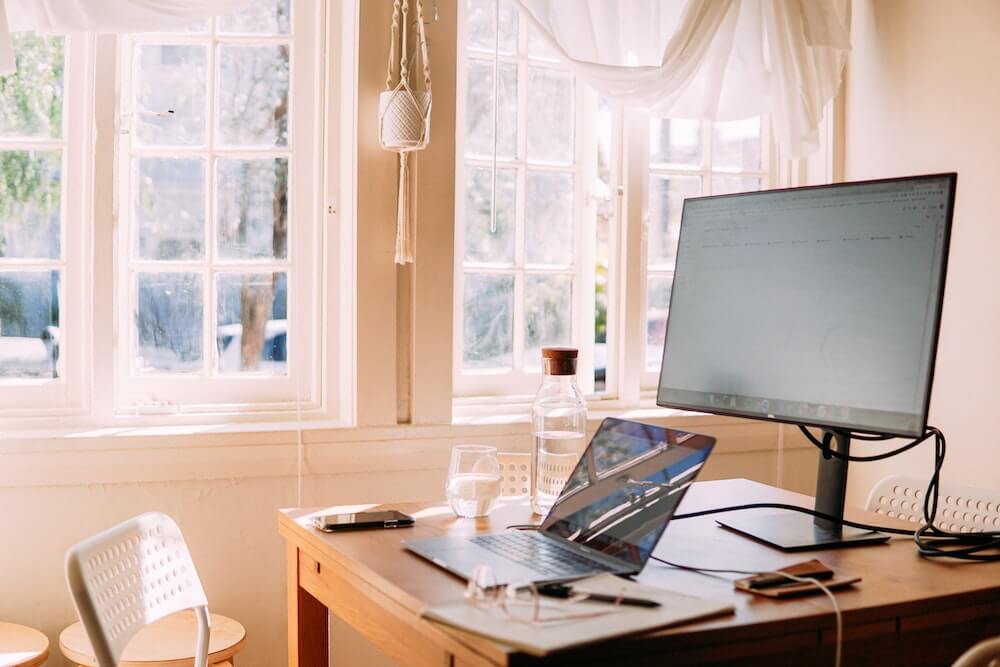
The size, type, and placement of windows and doors are critical for maximizing daylight penetration. Larger windows, strategically placed on north and south-facing walls (in the Northern Hemisphere), can provide consistent, diffused light throughout the day, minimizing glare. Consider full-height windows or glass doors in main living areas to create a seamless connection with the outdoors and flood the space with light.
When planning, think about the specific functions of each room and its light requirements. For instance, bedrooms might benefit from east-facing windows for morning light, while kitchens and living rooms can thrive with generous south-facing glazing. Understanding window efficiency and placement is key to balancing light with thermal performance.
Skylights, Light Tubes, and Clerestory Windows
For deeper rooms or areas without direct exterior walls, alternative solutions like skylights, light tubes (solar tubes), and clerestory windows are invaluable. Skylights introduce overhead light, which is incredibly effective at brightening central spaces that might otherwise remain dim. They can transform dark hallways or bathrooms into bright, inviting areas.
Light tubes are an excellent option for smaller, harder-to-reach areas, channeling sunlight through reflective tubes from the roof to an interior diffuser. Clerestory windows, positioned high on a wall, allow light to enter while maintaining privacy and wall space below. These innovative architectural elements ensure that every corner of your home can benefit from natural illumination.
Open Floor Plans and Interior Glazing
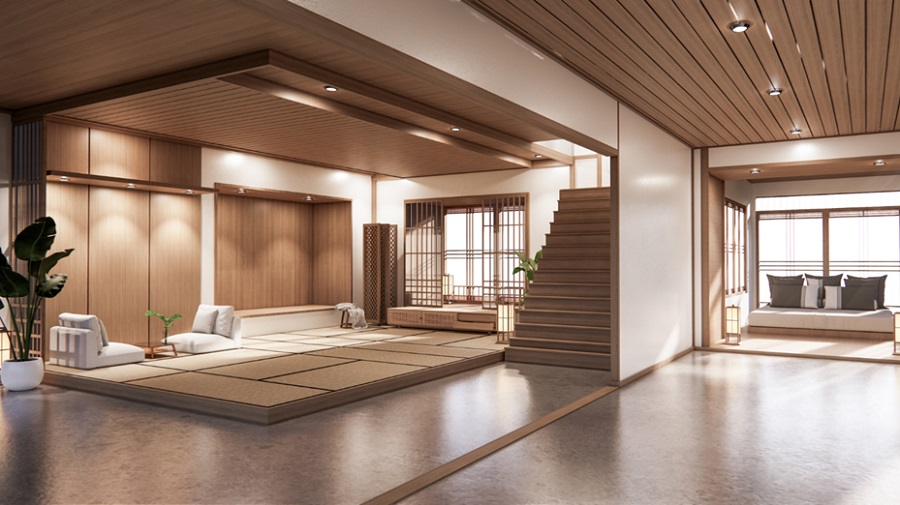
An open floor plan inherently promotes better light distribution by minimizing interior walls that block the flow of daylight. Removing barriers allows light from exterior windows to penetrate deeper into the home, creating a more cohesive and brighter living experience. This design choice fosters a sense of spaciousness and connectivity between different functional zones.
Furthermore, incorporating interior glazing, such as glass partitions or French doors, can allow light to travel between rooms while still providing acoustic separation. Instead of solid walls, consider frosted glass panels or interior windows to borrow light from adjacent, brighter spaces. This clever strategy ensures that even interior rooms can benefit from the overall abundance of natural light.
Interior Design Techniques to Amplify Brightness
Once the architectural foundation is set, interior design choices play a pivotal role in maximizing and reflecting natural light throughout your home. These techniques are often more accessible and can be implemented in existing homes, offering significant improvements without major renovations. Thoughtful selection of colors, materials, and furnishings can dramatically enhance a space’s brightness.
Color Palettes and Reflective Surfaces
The colors you choose for walls, ceilings, and large furniture items have a profound impact on how light behaves in a room. Light-colored paints, especially whites, creams, and pale grays, are highly reflective and can bounce natural light deeper into a space, making it feel brighter and more expansive. Darker colors absorb light, making rooms feel smaller and dimmer.
Incorporating reflective surfaces also contributes significantly to light amplification. Consider high-gloss paints, polished concrete floors, or furniture with metallic accents. These materials act as secondary light sources, scattering daylight and creating a lively, luminous atmosphere. Even subtle reflective elements can make a noticeable difference.
Strategic Mirror Placement
Mirrors are perhaps the most effective and versatile interior design tool for amplifying natural light. When strategically placed opposite a window, a large mirror can reflect the incoming daylight, effectively doubling the apparent light in the room. This technique not only brightens the space but also creates the illusion of a larger window or even another room.
Beyond direct light reflection, mirrors can also reflect views, bringing the outdoors in and enhancing the connection to nature. Experiment with different sizes and frames to find pieces that complement your decor while maximizing their light-enhancing potential. A well-placed mirror is a simple yet powerful design hack for any home seeking more brightness.
Furniture and Decor Choices
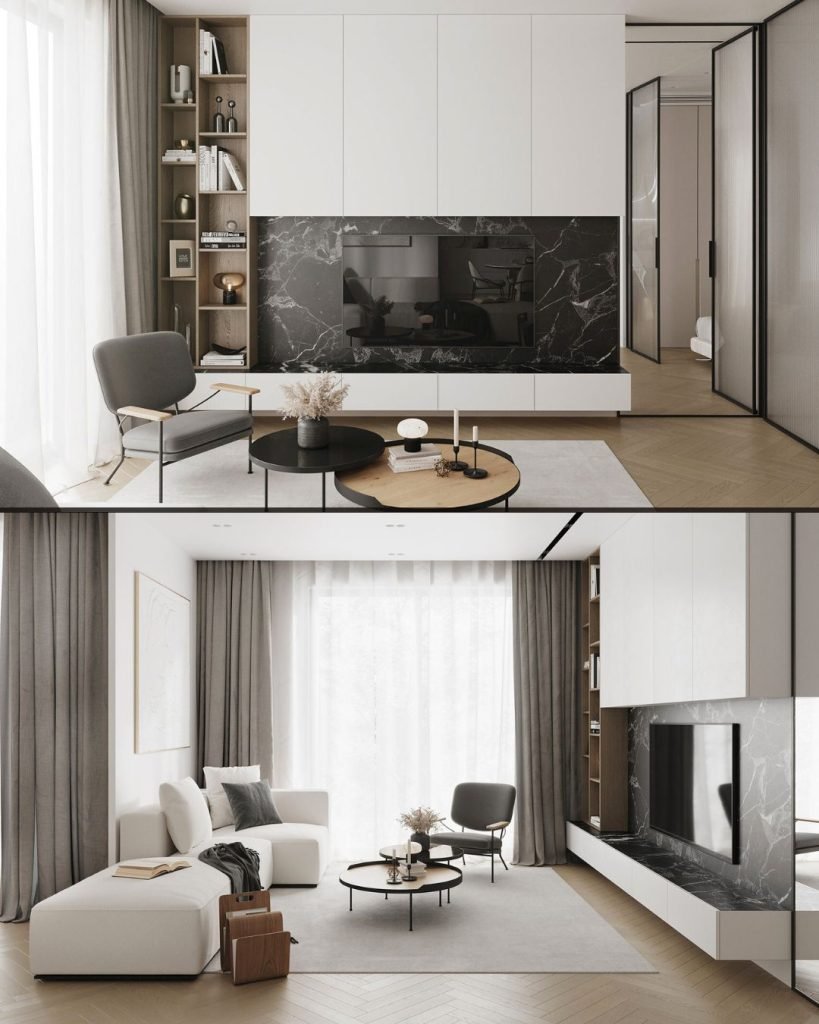
The type and arrangement of furniture can either obstruct or enhance the flow of natural light. Opt for furniture pieces with lighter colors and materials, and avoid bulky items that block windows or doorways. Low-profile furniture allows light to travel over it, maintaining an open and airy feel. Transparent or translucent materials like glass coffee tables or acrylic chairs can also help light pass through.
Window treatments should be chosen carefully to allow maximum light while offering privacy. Sheer curtains, blinds, or shades that can be fully retracted are ideal for daylight optimization. Minimalistic decor also helps, as clutter can absorb light and make a room feel heavy. Focus on essential, well-chosen pieces that contribute to a bright and uncluttered aesthetic.
Balancing Light: Addressing Glare, Heat, and Privacy
While maximizing natural light is highly desirable, it’s equally important to manage its potential downsides, such as excessive glare, unwanted heat gain, and privacy concerns. A truly optimized home design finds a harmonious balance, allowing ample daylight without sacrificing comfort or functionality. Thoughtful solutions can mitigate these challenges effectively.
Controlling Glare and Heat Gain
Direct sunlight can sometimes lead to uncomfortable glare on screens or hot spots within a room, especially during peak sun hours. Solutions include exterior shading devices like awnings, pergolas, or carefully placed deciduous trees that offer shade in summer and allow sun in winter. Interior options include adjustable blinds, cellular shades, or sheer curtains that diffuse harsh light.
To combat heat gain, consider high-performance windows with low-emissivity (Low-E) coatings that block infrared and ultraviolet light while allowing visible light through. Smart window films can also be applied to existing windows to reduce heat transfer. These measures ensure that your home remains comfortably cool even when bathed in sunlight.
Privacy Solutions Without Blocking Light
Maintaining privacy is a common concern when incorporating large windows or open designs. Fortunately, there are many ways to achieve privacy without completely sacrificing natural light. Frosted or textured glass can obscure views while still allowing light to filter in, perfect for bathrooms or street-facing windows.
Top-down/bottom-up blinds offer flexible privacy, allowing you to cover the lower portion of a window while keeping the upper section open for light. Landscaping with strategically placed shrubs or fences can also provide natural privacy screens. These solutions ensure you can enjoy the benefits of natural light while feeling secure and secluded in your home.