Navigating landlord-tenant disputes can be challenging, but understanding your rights is crucial. Many tenants wonder how to report a landlord when issues arise. This comprehensive guide will walk you through the necessary steps, helping you address concerns effectively and protect your living situation. By following proper procedures, you can ensure your voice is heard and your rights are upheld.
Understanding Your Rights to Report a Landlord
Tenants possess specific rights designed to ensure safe and habitable living conditions. When these rights are violated, reporting a landlord becomes a necessary course of action. Knowing what constitutes a reportable offense is the first step in addressing grievances. Therefore, understanding local and state tenant laws is paramount for every renter.
When and Why You Might Need to Report Your Landlord
Several situations might necessitate reporting your landlord. These often involve breaches of the lease agreement or violations of housing laws. For instance, a landlord might neglect essential repairs, unlawfully enter your unit, or fail to return a security deposit. Recognizing these common issues empowers you to take appropriate action.
Common Landlord Violations and Tenant Protections
Landlords are legally obligated to maintain habitable premises. This includes providing safe structures, working utilities, and pest control. Furthermore, they must respect your privacy and adhere to fair housing practices. Tenant protections exist to safeguard against discrimination and unfair treatment, ensuring everyone has equal housing opportunities.
Identifying Reportable Offenses: Health, Safety, and Legal Breaches
A reportable offense typically falls into categories like health hazards, safety risks, or legal breaches. Examples include mold growth, lack of heat or hot water, exposed wiring, or illegal eviction attempts. Documenting these specific issues is vital for a successful complaint. Moreover, understanding the severity of the violation helps determine the appropriate reporting channel.
The Importance of Knowing Your Local and State Tenant Laws
Landlord-tenant laws vary significantly by jurisdiction. Consequently, what is illegal in one city might be handled differently in another. Familiarizing yourself with your specific state and local ordinances is essential before you report a landlord. Resources like your state’s Attorney General’s office or local housing authority can provide valuable information.
Essential Preparations Before You Report a Landlord
Before initiating a formal complaint, thorough preparation is key. Gathering evidence and attempting communication can strengthen your case significantly. This proactive approach often leads to quicker resolutions and a more favorable outcome. Therefore, take time to organize all relevant materials.
Documenting Issues: Gathering Evidence and Records
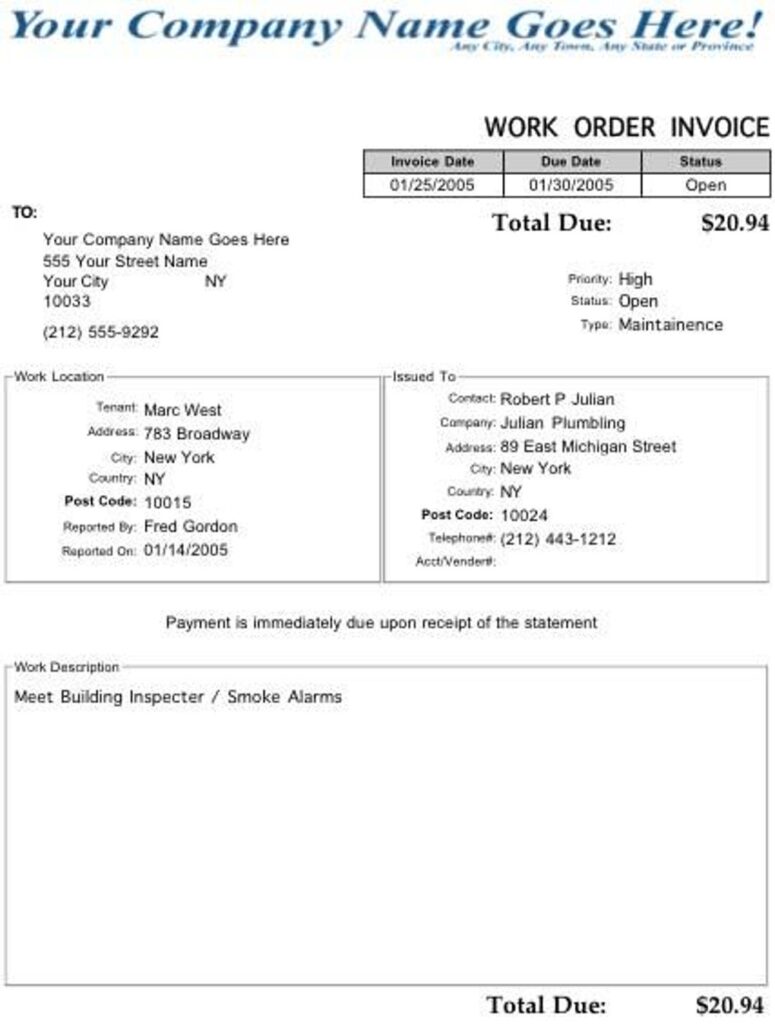
Strong evidence is the backbone of any successful report. You should meticulously document every issue you encounter. This includes taking clear photographs or videos, especially with timestamps, of any damage or hazardous conditions. Furthermore, keep a detailed log of dates, times, and descriptions of incidents.
- Photographs and Videos: Capture visual evidence of issues.
- Date-Stamped Records: Maintain a chronological log of events.
- Witness Statements: If applicable, gather statements from neighbors or visitors.
Attempting Communication: Written Notice to Your Landlord
Most jurisdictions require tenants to provide written notice to their landlord before reporting them to an agency. This gives the landlord an opportunity to fix the problem. Send notices via certified mail with a return receipt requested. This creates a clear paper trail, proving your attempt to resolve the issue amicably.
Collecting Critical Information: Lease, Photos, and Communication Logs
Organize all pertinent documents in one place. Your lease agreement is a foundational document, outlining responsibilities for both parties. Additionally, compile all written communications, including emails, texts, and letters, exchanged with your landlord. This comprehensive collection will be invaluable when you report a landlord.
Where to Report a Landlord: Key Agencies and Resources
Knowing where to direct your complaint is crucial for effective action. Various agencies handle different types of landlord-tenant disputes. Selecting the correct authority ensures your report is processed efficiently. Therefore, research the specific jurisdiction and nature of your complaint.
Local Housing Authorities and Code Enforcement
For issues concerning health, safety, and building code violations, your local housing authority or code enforcement office is the primary contact. These departments investigate complaints related to uninhabitable conditions. They can issue citations and mandate repairs, compelling landlords to comply with regulations.
State Attorney General’s Office and Consumer Protection Divisions
The State Attorney General’s office often handles broader consumer protection issues, including landlord-tenant disputes involving unfair business practices or fraud. If your landlord has engaged in deceptive practices or violated fair housing laws, this agency can provide assistance. They focus on protecting consumers from exploitation.
Fair Housing Organizations and Legal Aid Services
If you suspect discrimination based on race, religion, gender, disability, or other protected characteristics, contact a Fair Housing organization. These groups advocate for tenant rights and can guide you through the complaint process. Furthermore, legal aid services offer free or low-cost legal assistance to eligible tenants facing landlord disputes. For example, the U.S. Department of Housing and Urban Development (HUD) provides resources on fair housing laws: HUD Fair Housing.
The Step-by-Step Process: How to Report a Landlord Effectively
Reporting a landlord involves a structured process to ensure your complaint is taken seriously. Following these steps systematically will increase your chances of a favorable resolution. Each stage is designed to build a strong, credible case against your landlord. Therefore, proceed carefully through each phase.
Filing a Formal Complaint: What to Include
When filing a formal complaint, provide clear, concise details of the issues. Include dates, specific incidents, and copies of all supporting documentation. State the desired outcome, such as repairs or deposit return. Be factual and avoid emotional language, as this maintains the professionalism of your report.
- Identify the Agency: Choose the correct local or state agency.
- Complete Forms: Fill out all required complaint forms accurately.
- Attach Evidence: Include photos, videos, communication logs, and lease copies.
- Describe the Problem: Clearly articulate the violations and their impact.
- State Desired Resolution: Specify what action you expect the landlord to take.
Understanding the Investigation Process and Timelines
After you report a landlord, the agency will typically initiate an investigation. This might involve inspections, interviews, and reviewing submitted evidence. The timeline for resolution varies widely depending on the agency and the complexity of the case. Patience is often required during this period.
Potential Outcomes and Resolutions After Reporting
Possible outcomes include the agency ordering the landlord to make repairs, imposing fines, or mediating a settlement. In some cases, legal action might be recommended. The goal is to enforce tenant rights and ensure compliance with housing laws. Therefore, be prepared for various potential resolutions.
Protecting Yourself After You Report Your Landlord
Reporting a landlord can sometimes lead to uncomfortable situations, but tenant protections are in place. Understanding how to safeguard yourself against potential retaliation is vital. Maintaining diligence and seeking further counsel ensures your continued safety and legal standing. You must remain vigilant throughout this period.
Recognizing and Preventing Landlord Retaliation
Landlord retaliation is illegal. This includes actions like raising rent unfairly, reducing services, or attempting an eviction solely because you filed a complaint. If you suspect retaliation, document it immediately. Many tenant rights laws specifically prohibit such actions, offering you legal recourse.
Maintaining Records of All Post-Report Communications
Continue to keep meticulous records of all interactions with your landlord and the reporting agency. This includes phone calls, emails, and any new issues that arise. These records serve as crucial evidence if further action is needed. A well-maintained paper trail protects your interests significantly.
Seeking Further Legal Counsel for Ongoing Issues
If problems persist or if you face retaliation, consider consulting with a tenant rights attorney or legal aid service. They can offer expert advice and represent you in court if necessary. Don’t hesitate to seek professional help to ensure your rights are fully protected. Legal guidance can be invaluable.
Frequently Asked Questions About How to Report a Landlord
Can I report my landlord anonymously?
Some agencies allow anonymous complaints, especially for serious health and safety violations. However, providing your contact information often allows the agency to follow up and gather more details, potentially leading to a more effective investigation. Always check with the specific agency regarding their anonymous reporting policies.
What happens if my landlord tries to evict me after I report them?
Most states have laws protecting tenants from retaliatory evictions. If your landlord attempts to evict you shortly after you report them, this could be considered illegal retaliation. You should immediately seek legal advice from a tenant rights attorney or legal aid organization. They can help you challenge the eviction in court.
How long does it typically take for a report to be resolved?
The resolution time for a landlord report varies greatly. Minor issues might be resolved in a few weeks, while complex cases involving investigations or legal proceedings could take several months. Factors include the agency’s workload, the landlord’s responsiveness, and the severity of the violation. Patience and persistent follow-up are often necessary.
Conclusion: Taking Decisive Action When You Need to Report a Landlord
Knowing how to report a landlord is a powerful tool for protecting your tenant rights. By understanding common violations, meticulously documenting evidence, and choosing the correct reporting channels, you can effectively address issues. Remember to stay informed about your local laws and protect yourself against retaliation. If you are experiencing problems, do not hesitate to take decisive action. Share your experiences or questions in the comments below to help other tenants in similar situations.