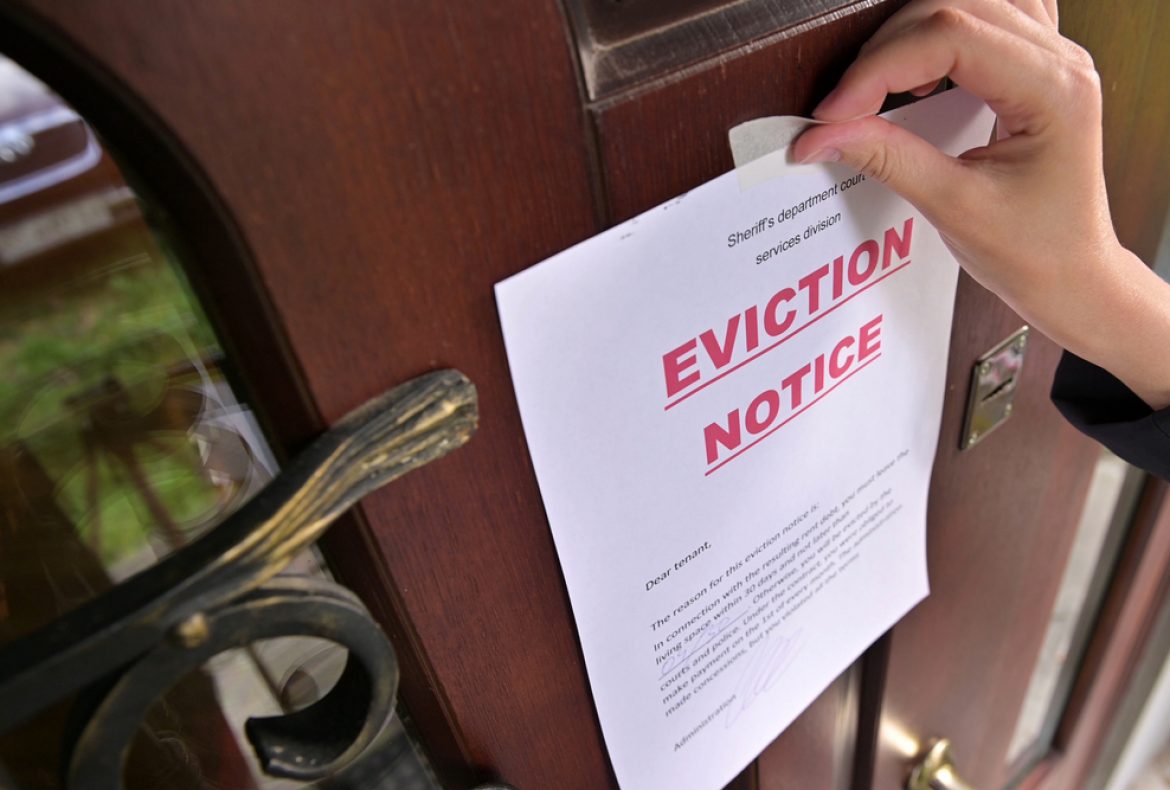
Navigating tenancy laws can feel complex, especially when facing an uncertain housing situation. Many tenants wonder, can a landlord kick you out for no reason? The short answer is generally no, not without a legally recognized cause or proper notice. Tenant protections vary significantly by location, but arbitrary evictions are rarely permissible. Understanding your rights is crucial to ensure housing stability.
Understanding ‘No-Fault’ Evictions: Can a Landlord Kick You Out for No Reason?
In most jurisdictions, a landlord cannot simply evict a tenant on a whim. There must be a legitimate, legal reason, often referred to as “just cause.” This framework protects tenants from sudden displacement. Therefore, the idea that a landlord can kick you out for no reason is largely a misconception under established legal precedents.
Defining ‘No-Fault’ Evictions and Just Cause
A “no-fault” eviction occurs when a landlord seeks to regain possession of a property for reasons unrelated to the tenant’s behavior. Examples include an owner moving into the unit or withdrawing the property from the rental market. However, even these situations require specific legal grounds and often extensive notice periods. Conversely, “just cause” evictions stem from a tenant’s actions, such as non-payment of rent or lease violations.
Many cities and states have enacted “just cause” eviction ordinances. These laws strictly limit the reasons a landlord can evict a tenant. They provide a vital layer of security for renters. Without a valid, documented reason, an eviction attempt is likely illegal and unenforceable.
State and Local Eviction Laws: A Patchwork of Protections
Tenant rights are not uniform across the United States. State laws provide a baseline, but many cities and counties implement additional, stronger protections. For instance, some areas require landlords to offer relocation assistance for no-fault evictions. It is essential to research the specific regulations in your area.
These local ordinances often dictate notice periods and acceptable reasons for eviction. Therefore, understanding your local laws is paramount. A landlord trying to kick you out for no reason might be violating these specific protections. Always consult your local housing authority or tenant’s union for precise information.
The Role of Your Lease Agreement in Preventing Arbitrary Eviction
Your lease agreement is a legally binding contract between you and your landlord. It outlines the terms of your tenancy, including rent, duration, and responsibilities. This document is your first line of defense against arbitrary eviction attempts.
A landlord must adhere to the terms of the lease. They cannot simply disregard it to remove a tenant. Any attempt to evict you must align with the lease’s provisions or established legal grounds. Reviewing your lease carefully helps you understand your agreed-upon protections.
Legal Grounds for Eviction: When a Landlord CAN Kick You Out
While a landlord generally cannot kick you out for no reason, there are several legitimate legal grounds for eviction. These reasons are typically outlined in state law and your lease agreement. Understanding these valid causes helps tenants avoid unintentional violations.
Breaching Lease Terms (e.g., Non-Payment, Property Damage, Pet Violations)
One of the most common reasons for eviction is a breach of the lease agreement. This includes failing to pay rent on time, causing significant damage to the property, or violating pet policies. Landlords must provide proper notice to remedy the breach before proceeding with eviction.
Common lease violations that can lead to eviction include:
- Non-payment of rent.
- Significant property damage beyond normal wear and tear.
- Unauthorized occupants or pets.
- Subletting without permission.
- Violation of noise clauses or other community rules.
Always ensure you adhere to all terms outlined in your lease. This proactive approach helps prevent potential disputes. Furthermore, document any communication regarding alleged breaches.
Illegal Activities on the Property
Engaging in illegal activities on the rental property is a serious offense that can lead to immediate eviction. This includes drug manufacturing, illegal gambling, or other criminal acts. Landlords have a right to ensure their property is used lawfully.
Such activities often bypass standard notice periods for eviction. They pose a significant risk to the property and other tenants. Landlords can typically move quickly to remove tenants involved in criminal behavior. Therefore, maintaining a lawful tenancy is crucial.
Owner Move-In or Property Sale (Specific Cases and Requirements)
In some areas, landlords can evict tenants if they or a close family member intend to move into the unit. Similarly, if the landlord sells the property, the new owner might seek to occupy it. These are considered “no-fault” evictions, but they come with strict requirements.
These situations often require extended notice periods, sometimes 60-90 days or even more. Additionally, some jurisdictions mandate relocation assistance for tenants displaced by such evictions. Always verify local regulations regarding these specific circumstances. For example, California has specific rules under the Tenant Protection Act of 2019 (AB 1482) regarding just cause evictions, including owner move-ins. You can find more details on official state housing websites like the California Department of Real Estate: Tenant Protection Act of 2019.
Tenant Protections & Rights: Preventing Unjust Eviction
Tenants possess several fundamental rights designed to prevent unjust evictions. These protections ensure a fair process and safeguard against retaliatory or discriminatory practices. Knowing these rights empowers you to challenge unlawful eviction attempts.
Required Notice Periods for Eviction: What Landlords Must Do
Landlords cannot simply tell you to leave immediately. They are legally required to provide written notice before initiating eviction proceedings. The length of this notice depends on the reason for eviction and your local laws.
Common notice periods include:
- 3-Day Notice to Pay Rent or Quit: For non-payment of rent.
- 30-Day Notice to Cure or Quit: For minor lease violations.
- 60-Day or 90-Day Notice: For no-fault evictions or termination of month-to-month tenancies, depending on the length of tenancy.
Failure to provide proper notice invalidates an eviction. Always ensure any notice you receive is correctly formatted and delivered. Furthermore, seek legal advice if you suspect improper notice.
Prohibition Against Retaliatory Evictions
Landlords are legally prohibited from evicting tenants in retaliation for exercising their legal rights. This includes reporting unsafe living conditions, joining a tenant’s union, or complaining about lease violations. Retaliatory evictions are illegal and can lead to severe penalties for landlords.
If you believe your landlord is trying to kick you out for no reason after you’ve asserted your rights, document everything. Keep records of communication and dates of complaints. This evidence is crucial if you need to challenge the eviction in court.
Understanding Discrimination in Housing and Fair Housing Laws
Federal and state fair housing laws protect tenants from discrimination based on race, color, religion, sex, national origin, familial status, or disability. A landlord cannot evict you for discriminatory reasons. This would be a clear violation of your civil rights.
If you suspect discrimination, contact the Department of Housing and Urban Development (HUD) or a local fair housing agency. They can investigate your claim and provide assistance. Discrimination is never a valid reason for eviction.
Fixed-Term vs. Month-to-Month Leases: Different Rules for Landlords
The type of lease agreement you have significantly impacts when and how a landlord can initiate an eviction. Understanding these differences is key to knowing if a landlord can kick you out for no reason based on your lease type.
Terminating a Fixed-Term Lease Early: Legalities and Penalties
A fixed-term lease, typically lasting 6 or 12 months, guarantees your tenancy for that specific period. During this term, a landlord cannot terminate the lease unless you violate its terms. They cannot kick you out for no reason before the lease expires.
Breaking a fixed-term lease early, however, can result in penalties for the tenant. These might include losing your security deposit or being responsible for rent until a new tenant is found. Both parties are generally bound by the lease’s duration. Therefore, landlords need just cause for early termination.
Ending a Month-to-Month Tenancy: Notice Requirements for Both Parties
Month-to-month leases offer more flexibility but less security. Either the landlord or the tenant can terminate the agreement with proper written notice. The required notice period, often 30 or 60 days, is determined by state or local law.
In a month-to-month tenancy, a landlord can end the agreement without needing a “just cause” eviction reason, provided they give adequate notice. However, they still cannot evict you for discriminatory or retaliatory reasons. This is a crucial distinction when considering if a landlord can kick you out for no reason.
Consequences of a Holdover Tenancy and Implied Agreements
A holdover tenancy occurs when a tenant remains in the property after their lease expires without signing a new agreement. In such cases, the tenancy often converts to a month-to-month agreement. This can happen if the landlord continues to accept rent.
However, if the landlord does not accept rent, they can treat you as a trespasser. This can lead to expedited eviction proceedings. Always clarify your tenancy status after a lease expires to avoid complications. An implied agreement can protect you, but explicit terms are always better.
What to Do If Your Landlord Tries to Kick You Out for No Reason
If your landlord attempts to evict you without a valid cause, it’s essential to act quickly and strategically. Knowing the correct steps can protect your housing and legal rights. Do not panic, but do not delay in seeking assistance.
Review Your Lease and Local Tenant Laws Thoroughly
Your first step should be to carefully review your lease agreement. Look for clauses related to termination, notice periods, and tenant responsibilities. Next, research your local and state tenant protection laws. Many government websites or non-profit organizations offer free access to this information.
Understanding these documents will help you determine if your landlord’s actions are legal. This knowledge forms the foundation of your defense. Furthermore, it helps clarify if a landlord can kick you out for no reason in your specific situation.
Gather Evidence and Document Everything (Communications, Payments, Conditions)
Documentation is your strongest ally in an eviction dispute. Keep meticulous records of all communications with your landlord, including emails, texts, and certified letters. Also, maintain proof of rent payments and any requests for repairs or maintenance.
Take photos or videos of the property’s condition, especially if the landlord alleges damage. This evidence can refute false claims. A well-documented history strengthens your case significantly. This is especially true when challenging a landlord trying to kick you out for no reason.
Seek Legal Assistance or Tenant Advocacy: Where to Find Help
If you face an eviction notice, especially one you believe is unjust, seek legal counsel immediately. Tenant lawyers specialize in housing law and can guide you through the process. Many cities also have tenant advocacy groups that offer free or low-cost assistance.
These professionals can review your case, explain your options, and represent you in court if necessary. Do not try to navigate the legal system alone. Early legal intervention can often prevent an unlawful eviction.
Frequently Asked Questions
Can a landlord kick you out without notice?
Generally, no, a landlord cannot kick you out without proper written notice. State and local laws mandate specific notice periods, typically 3 to 90 days, depending on the reason for eviction and the type of tenancy. Failure to provide adequate notice makes an eviction attempt illegal. Always check your local tenant laws for exact requirements.
Can a landlord kick you out if you have a lease?
If you have a fixed-term lease, a landlord cannot kick you out before the lease expires unless you violate a significant term of the lease agreement. This includes non-payment of rent or property damage. They cannot simply evict you for no reason during the lease term. Month-to-month leases offer less protection, allowing termination with proper notice.
What are my rights if my landlord wants me to move out?
You have the right to proper written notice, a valid legal reason for eviction (unless on a month-to-month lease with proper notice), and protection against retaliatory or discriminatory evictions. You also have the right to challenge an unlawful eviction in court. Always review your lease and local tenant laws, and consider seeking legal advice.
Conclusion: Know Your Rights and Stand Your Ground
In conclusion, the answer to “can a landlord kick you out for no reason” is almost universally no, thanks to robust tenant protection laws. While landlords have rights, tenants also possess significant legal safeguards against arbitrary eviction. Understanding your lease, local ordinances, and tenant rights is your best defense.
If you ever find yourself facing an eviction notice, remember to stay calm, document everything, and seek professional legal advice. Your proactive steps can protect your home and ensure fair treatment. Empower yourself with knowledge and stand firm on your rights. Share this information to help others understand their protections.