Navigating the complexities of rental agreements often brings up questions about personalizing your living space, especially concerning safety. Many tenants wonder, can tenant install security system without landlord permission? The short answer is: it depends heavily on your lease agreement and the type of system you wish to install. Generally, non-invasive, easily removable systems are less problematic, but any modification that alters the property typically requires explicit landlord approval to avoid potential legal issues.
Understanding Legal & Lease Considerations: Can a Tenant Install a Security System?
Before making any changes to your rented property, it is crucial to understand your legal standing. Your lease agreement serves as the primary legal document governing your tenancy. Therefore, always review it thoroughly for clauses related to modifications or alterations.
Deciphering Your Lease Agreement’s “Alterations” Clause
Most standard lease agreements include a specific clause addressing tenant alterations. This section typically outlines what modifications are permitted, what requires written consent, and what is strictly prohibited. For example, installing a security system that requires drilling into walls or door frames would almost certainly fall under “alterations” and necessitate landlord permission. Ignoring this clause could lead to serious consequences, including lease termination.
Furthermore, some leases might explicitly mention security systems or smart home devices. If your lease is silent on the matter, it doesn’t automatically grant permission. It simply means you should seek clarification. A proactive approach protects both you and your landlord, ensuring everyone understands the terms. Always aim for clear communication and documented agreements.
Distinguishing Between Fixtures and Personal Property
Understanding the difference between a “fixture” and “personal property” is vital when considering if can tenant install security system without landlord permission. A fixture is something permanently attached to the property, becoming part of the real estate. Examples include hardwired alarm panels or drilled-in cameras. Personal property, however, is easily removable and belongs to the tenant, like a portable camera or a smart doorbell that hooks over the door. Landlords generally have more control over fixtures.
If a security system component is considered a fixture, its installation without permission could be a breach of contract. Moreover, removing it might cause damage, for which you would be liable. Therefore, opt for systems that are clearly personal property if you are unsure about getting permission. This reduces your risk significantly.
State and Local Laws Governing Tenant Modifications
Beyond your lease, state and local landlord-tenant laws also play a role in determining if can tenant install security system without landlord permission. Some jurisdictions have specific regulations regarding a tenant’s right to install security measures, while others may not. These laws often provide a baseline of rights and responsibilities for both parties.
It is always a good practice to research your local tenant rights or consult with a legal professional specializing in landlord-tenant law. For instance, some states might allow tenants to install certain security devices if the landlord fails to provide adequate security. However, this is usually conditional and still requires careful consideration of potential property damage. You can find general information on landlord-tenant laws via resources like NOLO’s website:
Types of Security Systems: Invasive vs. Non-Invasive Options for Tenants
The type of security system you choose directly impacts whether you need landlord permission. Some systems are designed for easy installation and removal, minimizing property impact. Others require significant modifications, making landlord consent almost mandatory. Therefore, consider the invasiveness of any system.
Understanding Drill-Free and Wireless Solutions
Drill-free and wireless security systems are often the best choice for renters. These systems typically use adhesive mounts, magnetic attachments, or simply sit on surfaces. Examples include:
- Wireless indoor cameras
- Smart doorbells that clip over existing peepholes
- Window/door sensors with adhesive backing
- Portable motion detectors
These options are generally considered personal property and cause no permanent damage. Consequently, they are less likely to require explicit landlord permission. However, it is still wise to inform your landlord as a courtesy, especially for outdoor cameras that might record common areas.
Hardwired Systems and Professional Installation Requirements
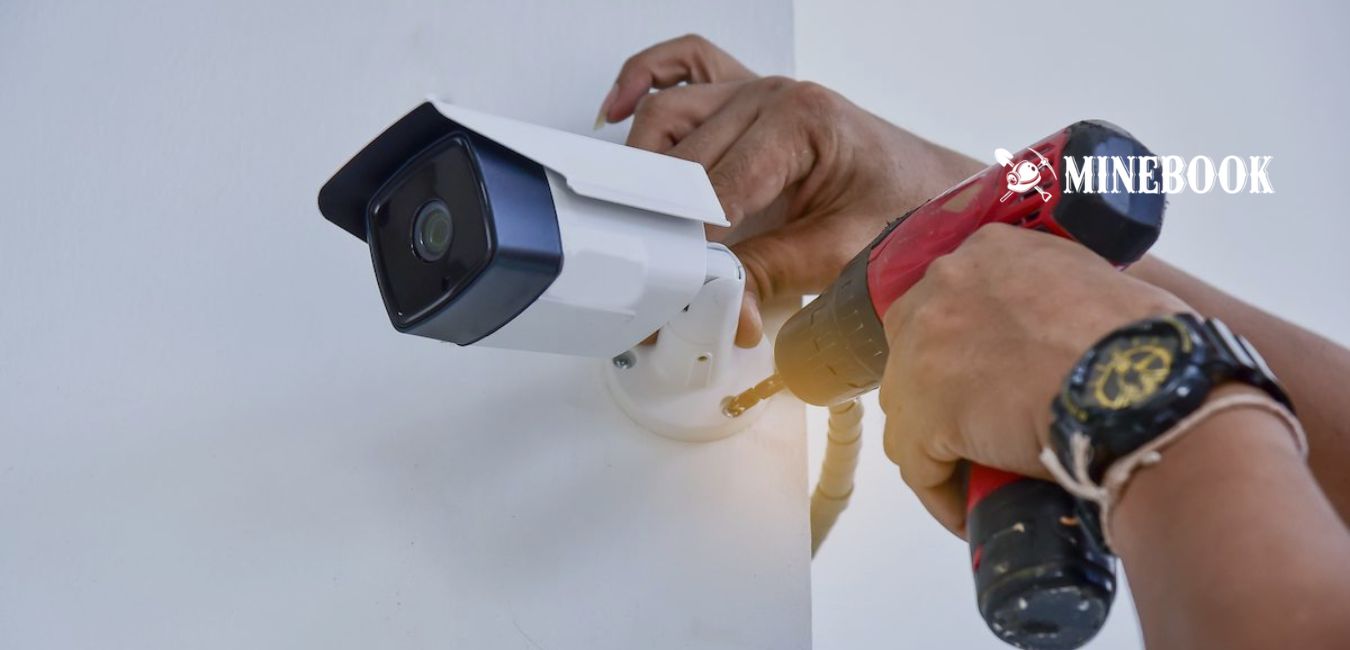
Hardwired security systems involve running wires through walls, drilling holes, and connecting to the property’s electrical system. These installations are permanent and often require professional help. Such systems are clearly considered “alterations” and “fixtures.”
Installing a hardwired system without landlord permission is a significant breach of most lease agreements. It can lead to substantial repair costs and potential eviction. Always obtain written consent before considering any hardwired solution. This protects you from future disputes regarding property damage.
Assessing Potential Property Damage and Reversibility
Before installing any security device, evaluate its potential for property damage and how easily it can be reversed. Landlords are concerned about maintaining their property’s condition. Any installation that leaves holes, marks, or requires extensive repair upon move-out will likely be an issue.
Consider the following when assessing reversibility:
- Can it be removed without leaving a trace?
- Will it require patching or painting?
- Does it alter the property’s structure?
Prioritize options that are fully reversible and leave no lasting impact. This approach minimizes conflict and helps answer the question of can tenant install security system without landlord permission more favorably.
Potential Risks and Ramifications of Unauthorized Installation
Proceeding with a security system installation without proper authorization carries significant risks. Understanding these potential consequences can help you make an informed decision. Unauthorized modifications can quickly escalate into legal and financial problems.
Breach of Lease Agreement and Eviction Threats
Installing a security system that violates your lease’s “alterations” clause constitutes a breach of contract. Landlords can issue notices to cure or quit, demanding you remove the system and repair any damage. Failure to comply can lead to eviction proceedings, a serious mark on your rental history. This is a crucial consideration when asking yourself, can tenant install security system without landlord permission.
An eviction can make it extremely difficult to find future housing. Therefore, always prioritize adherence to your lease terms. Open communication with your landlord is a far safer path than risking your tenancy over an unauthorized installation. Protect your rental record carefully.
Liability for Property Damage and Repair Costs
If your unauthorized installation causes damage to the property, you will be held financially responsible. This includes costs for patching holes, repainting, or repairing electrical systems. These expenses can quickly add up, far exceeding the cost of the security system itself. Furthermore, your landlord might deduct these costs from your security deposit.
Even if you attempt to repair the damage yourself, the quality of your work might not meet the landlord’s standards. This could still result in professional repair costs being charged to you. Therefore, always consider the potential financial liability before taking action.
Forfeiture of Your Security Deposit
Your security deposit is held by the landlord to cover unpaid rent or damages beyond normal wear and tear. Unauthorized security system installations, especially those causing damage, are prime reasons for landlords to withhold part or all of your deposit. This is a direct financial consequence of not understanding if can tenant install security system without landlord permission.
To ensure the return of your full security deposit, leave the property in the same condition as when you moved in, minus normal wear. Document the property’s condition with photos or videos before and after your tenancy. This evidence can be vital in disputes.
Communicating with Your Landlord: Seeking Permission for Security Upgrades
The most effective and safest way to install a security system is to communicate openly with your landlord. Proactive dialogue can prevent misunderstandings and legal disputes. It demonstrates respect for your landlord and the property.
The Benefits of Proactive and Open Dialogue
Initiating a conversation with your landlord before installing any system offers numerous benefits. It builds trust, shows you are a responsible tenant, and often leads to a mutually agreeable solution. Many landlords are open to reasonable requests, especially if they enhance property safety. This collaborative approach is far better than asking, can tenant install security system without landlord permission, and proceeding without consent.
A landlord might even have preferred vendors or specific guidelines for security installations. By discussing it beforehand, you can leverage their knowledge and potentially avoid future issues. It’s about being a good tenant and fostering a positive relationship.
Crafting a Proposal and Addressing Landlord Concerns
When approaching your landlord, present a clear and concise proposal. Detail the type of security system you intend to install, its benefits, and crucially, how it will not damage the property. Address potential landlord concerns directly.
Your proposal should include:
- The specific model of the security system.
- Installation method (e.g., adhesive, no drilling).
- Assurance of no permanent damage.
- Plan for removal upon move-out.
- Offer to provide an extra key or access code if needed (for emergencies).
Highlight how the system could also benefit the property’s overall security, potentially making it more attractive to future tenants. This thoughtful approach increases your chances of approval.
The Importance of Obtaining Written Consent
Verbal agreements, while sometimes helpful, are difficult to prove in a dispute. Therefore, always obtain written consent from your landlord for any security system installation, even for seemingly minor changes. This document should clearly state what is permitted and any conditions.
Written consent protects both parties. It serves as legal proof that permission was granted, preventing your landlord from later claiming unauthorized alterations. Keep this document with your lease agreement for future reference. This step is non-negotiable for any modification to the property.
Alternative Security Measures for Tenants Without Landlord Permission
If obtaining landlord permission proves difficult or impossible, many effective security measures exist that require no property alterations. These alternatives empower tenants to enhance their safety without risking their lease. They are excellent options when considering if can tenant install security system without landlord permission.
Leveraging Smart Home Devices and DIY Solutions
Many smart home devices offer excellent security features without permanent installation. These are often plug-and-play solutions that you can take with you when you move. Examples include:
- Portable smart cameras: Place them on shelves or tables.
- Smart plugs: Control lights to give the appearance of occupancy.
- Voice assistants: Integrate with other smart devices for security alerts.
- Door/window alarms: Battery-operated, adhesive-backed sensors.
These DIY solutions provide peace of mind and are fully tenant-owned. They offer a great way to boost security without needing landlord approval. Always ensure they respect the privacy of neighbors and common areas.
Non-Permanent Window and Door Reinforcements
Several products can enhance door and window security without permanent changes. These are typically inexpensive and simple to install. They offer an added layer of protection against forced entry.
Consider options such as:
- Door security bars: Brace against the floor, preventing the door from opening.
- Window wedges or locks: Prevent windows from being fully opened.
- Security film: Applied to windows to make them more shatter-resistant.
- Heavy-duty door stops: Provide extra resistance against forced entry.
These measures are easily removable and leave no damage, making them ideal for renters. They significantly improve your home’s security profile.
Personal Safety Devices and Community Resources
Beyond home security, personal safety devices and community resources can further enhance your security. These options focus on personal protection and awareness. They are completely independent of your landlord and property modifications.
Think about:
- Personal alarms: Small, portable devices that emit a loud sound.
- Self-defense classes: Empower you with physical protection skills.
- Neighborhood watch programs: Connect with community members for collective safety.
- Emergency contact lists: Keep vital numbers easily accessible.
Combining these personal safety strategies with non-invasive home security solutions creates a comprehensive safety plan. This proactive approach ensures your well-being, regardless of whether can tenant install security system without landlord permission is an issue.
Frequently Asked Questions
Can a landlord legally prohibit all security systems?
Generally, a landlord cannot prohibit all security systems, especially non-invasive ones that do not alter the property. However, they can prohibit systems that involve permanent alterations, drilling, or violate specific lease clauses. It depends on the type of system and the lease terms. Always check your lease and consider non-damaging alternatives first.
What if my lease agreement is silent on security systems?
If your lease is silent, it’s best not to assume permission. Silence on a specific issue often defaults to a general “no alterations without consent” rule. You should proactively communicate with your landlord and seek written permission, especially for anything beyond a simple plug-in device. This prevents potential disputes later.
Do I need to inform my landlord about a smart doorbell camera?
For a smart doorbell camera that simply hooks over the door or uses adhesive, you typically don’t need explicit permission as it’s non-invasive. However, it’s a good courtesy to inform your landlord, especially if the camera records outside areas. This transparency can prevent privacy concerns from neighbors or the landlord themselves.
Who owns the security system if I install it?
If you purchase and install a security system, you generally own it. This is especially true for portable or non-invasive systems. However, if a system becomes a “fixture” (permanently attached) and you installed it without an agreement for removal, it could potentially become the landlord’s property. Always get written consent if installing anything permanent and clarify ownership.
What about privacy concerns with tenant-installed cameras?
Tenant-installed cameras must respect privacy laws and the privacy of others. You cannot install cameras in common areas that record other tenants or staff without their consent. Outdoor cameras should only point at your rented space, not into neighbors’ windows or shared pathways. Violating privacy can lead to legal action, regardless of landlord permission.
Conclusion: Navigating Security System Installation as a Tenant
Understanding if can tenant install security system without landlord permission is a critical step for any renter prioritizing their safety. While non-invasive, easily removable systems are generally permissible, any modification to the property requires careful consideration and, ideally, explicit written consent from your landlord. Reviewing your lease agreement, understanding the difference between fixtures and personal property, and being aware of local laws are all essential.
Proactive communication with your landlord is always the best approach. Present a clear proposal, address their concerns, and obtain written permission for any significant installation. If direct permission isn’t feasible, numerous effective and non-permanent security alternatives exist. Prioritize your safety while respecting your lease, ensuring a secure and harmonious tenancy. Explore these options today to enhance your peace of mind.